




Categories
WHAT ARE THE TESTS THAT WE SHOULD UNDERGO IF NOT ABLE TO CONCEIVE?
Feb 26, 2024
It's important for subfertile couples to undergo a thorough evaluation by fertility expert. This allows for a comprehensive assessment of all potential factors contributing to infertility and ensures that appropriate treatment strategies are implemented to optimize the chances of conception.
These are the tests that should be done by a couple:
1. Semen Analysis: It helps assess the man's fertility potential and can identify issues such as low sperm count, poor sperm motility, or abnormal sperm morphology. 2. Detailed Pelvic Scan: A pelvic ultrasound or transvaginal ultrasound is done to assess the pelvic organs- the uterus & ovaries. It helps identify the egg reserve by checking Antral Follicle count(AFC), structural abnormalities or conditions such as fibroids, ovarian cysts, or polyps that may affect fertility. 3. Tube Test or Hysterosalpingography (HSG): HSG is a specialized imaging procedure used to evaluate the patency of the fallopian tubes and detect any blockages or abnormalities. During HSG, a contrast dye is injected into the uterus, and X-ray images are taken to visualize the flow of the dye through the fallopian tubes. 4. Hormonal Analysis: In women, this includes testing for hormones such as follicle-stimulating hormone (FSH), luteinizing hormone (LH),Anti Mullerian Hormone(AMH), estradiol, progesterone, and thyroid function tests. In men, hormonal analysis may involve testing testosterone levels and other hormone levels related to sperm production.
These basic evaluations provide valuable information about the couple's fertility status and help guide further diagnostic testing or treatment options. Depending on the results of these initial assessments, additional tests or procedures may be recommended to pinpoint the specific cause of infertility and develop a tailored treatment plan.
Related BlogView More

What Causes a Woman to Have Periods Twice a Month?
Many women feel concerned when they notice bleeding more than once a month. It can raise questions about whether the change is normal or requires medical attention. In many cases, occasional menstrual irregularities may happen due to stress, hormonal changes, lifestyle habits,
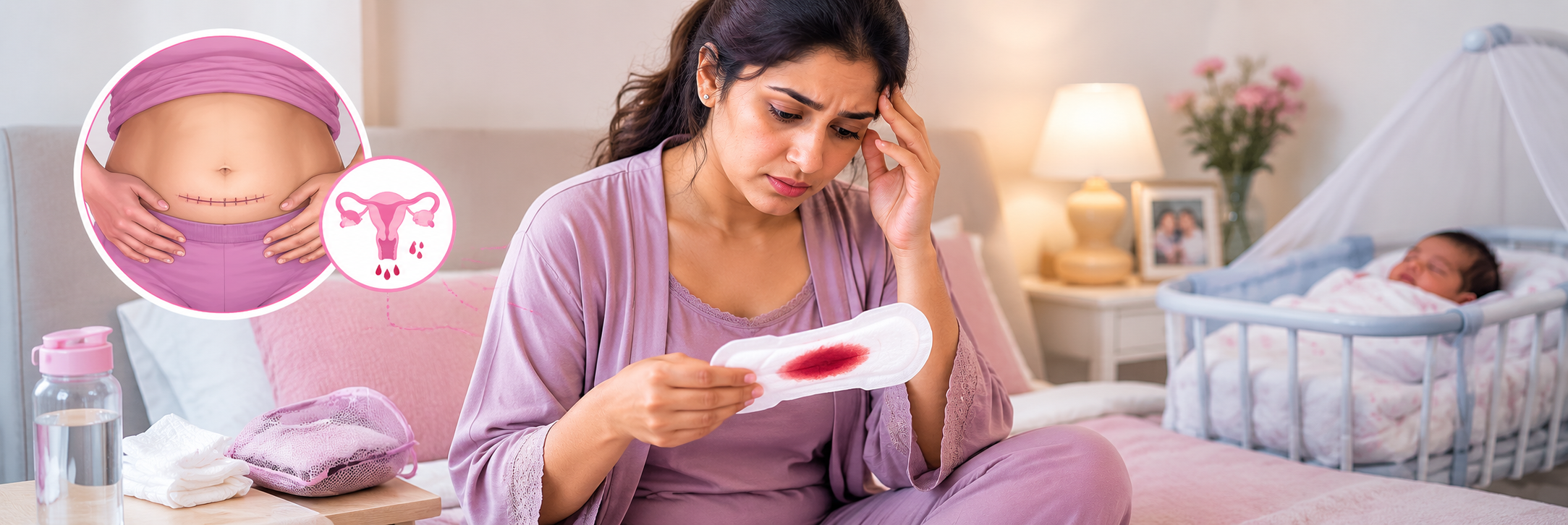
Vaginal Bleeding After C-Section Delivery: What's Normal and What's Not
Recovering after childbirth takes time, and many women may feel concerned about the physical changes that continue to take place after delivery. One common experience is bleeding after a C-sectionor cesarean section, which takes place as the uterus heals after pregnancy. The blee

Hair Fall During Pregnancy: Common Causes, Treatments, and Prevention Tips
Pregnancy brings many physical and hormonal changes. For many women, this may also include noticeable hair thinning or increased hair fall. This can feel worrying, especially during a time when the body is already going through many changes. Although falling hair during pregnancy

Premenstrual Dysphoric Disorder: Causes, Treatment and Prevention Tips
Premenstrual (PMDD) can overwhelming individuals, especially when emotional and physical symptoms begin to daily life before menstruation. Unlike typical PMS, it may cause intense mood changes, anxiety, fatigue, and physical discomfort that can disrupt work, rel