


Pre-Pregnancy Health Checkup Hospital
BirthRight by Rainbow Hospitals is a dedicated pregnancy care and maternity centre offering specialized obstetric services across 9 cities in India, including Hyderabad, Bengaluru, Delhi, Chennai, Vijayawada, Visakhapatnam, Warangal, Guwahati, and Rajahmundry.With over 26 years of experience in women's and children's healthcare, BirthRight provides end-to-end pregnancy care - from pre-conception counselling and high-risk pregnancy management to normal and caesarean delivery.

Seamless support from diagnosis to post treatment care
Pregnancy Care Services at BirthRight by Rainbow Hospitals
BirthRight by Rainbow Hospitals offers a full spectrum of pregnancy care services, structured to support mothers at every stage:
1.Pre-Pregnancy Health Checkup: Genetic screening, blood tests, thalassemia gene checks, Rh factor, thyroid, HIV, and STD panels before conception.
2.Preconception Counselling: Personalised guidance for first-time planners, women with prior high-risk pregnancies, or those with a history of genetic conditions or congenital abnormalities.
3.Antenatal (Prenatal) Care: Routine monitoring of mother and foetal health across all trimesters
4.High-Risk Pregnancy Management: Specialized obstetric care for conditions including gestational diabetes, preeclampsia, and multiple pregnancies.
5.Normal & Caesarean Delivery: Supported by round-the-clock emergency obstetric care.
6.Post-Delivery Care: Seamless follow-up support from diagnosis through recovery.
'Planning' is the buzz word in the world today, and potential mothers, now ready to take the plunge into the world of motherhood, have lots of questions on how to prepare for a healthy baby.
About Services


Affordable Pregnancy Care at BirthRight by Rainbow Hospitals
BirthRight by Rainbow Hospitals offers structured, transparent pregnancy care packages designed to be accessible across income groups. Services are available across multiple locations within each city, allowing patients to choose a centre closest to them- reducing travel costs and time.
Key affordability features:
1.Multiple clinic and hospital locations in each city for convenient access
2.Pre-pregnancy health checkups consolidated into a single visit to minimise diagnostic costs
3.Preconception counselling that reduces risk of costly complications in pregnancy
4.Online consultation available with specialist gynaecologists and obstetricians
5.To enquire about pregnancy care packages and costs, use the Request a Callback option or book an Online Consult directly.
Find a Doctor
Expertise you can trust, Meet our esteemed doctors who bring exceptional knowledge, compassion, and innovation to provide top-notch care for your health and well-being.
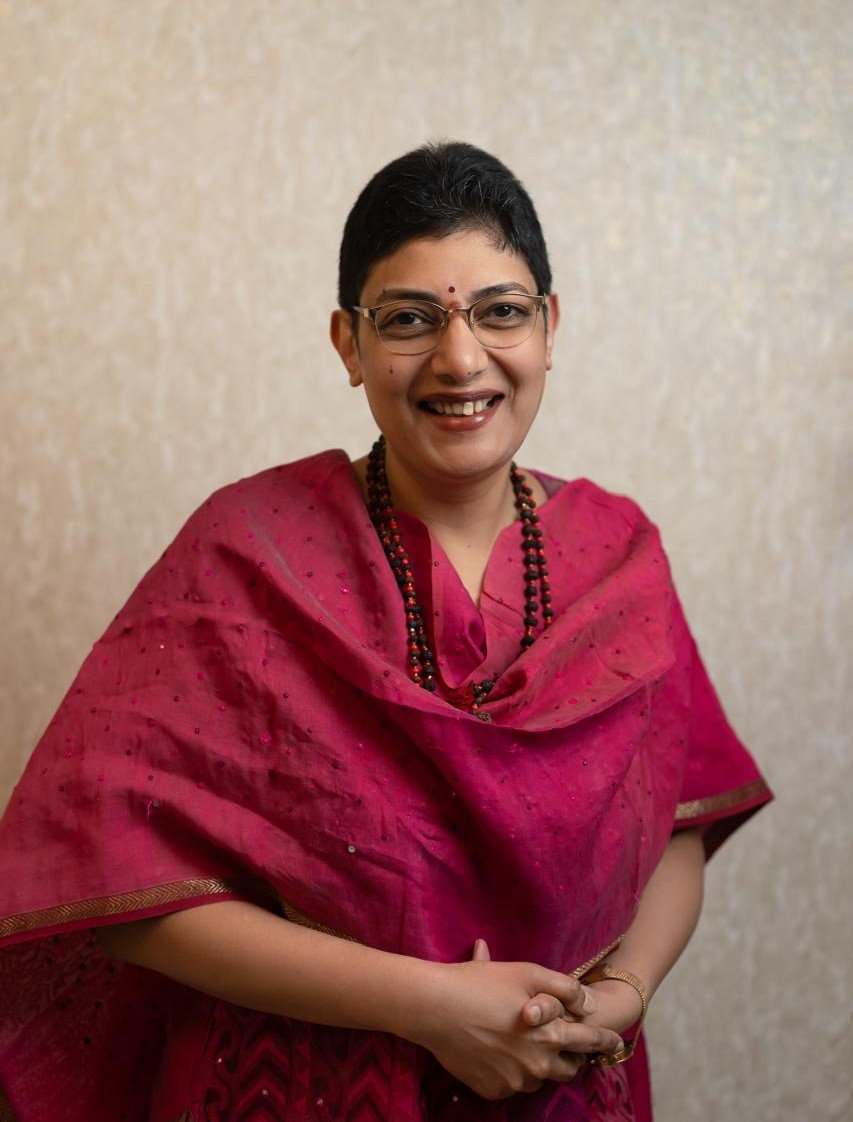
Dr. Padmaja Yelisetty
Senior Consultant – Obstetrics & Gynecology
30 Years English,Hindi,Tamil,Telugu,Urdu Himayatnagar

Dr. Pranathi Reddy A
Clinical Director – Obstetrics & Gynecology.
English,Hindi,Telugu Banjara Hills
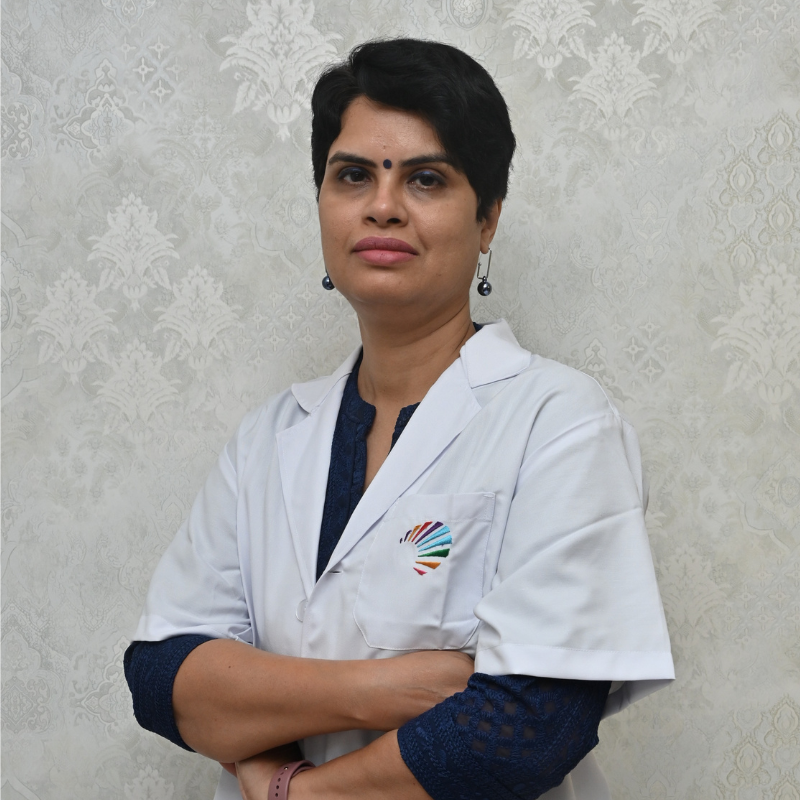
Dr. Shefali Tyagi
Senior Consultant - Obstetrics and Gynecology
22 Years English,Hindi Sarjapur Road
Dr. Himabindu Annamraju
Consultant Obstetrician, Gynecologist & Laparoscopic Surgeon, Specialist in High Risk Pregnancy
English,Hindi,Telugu Financial District
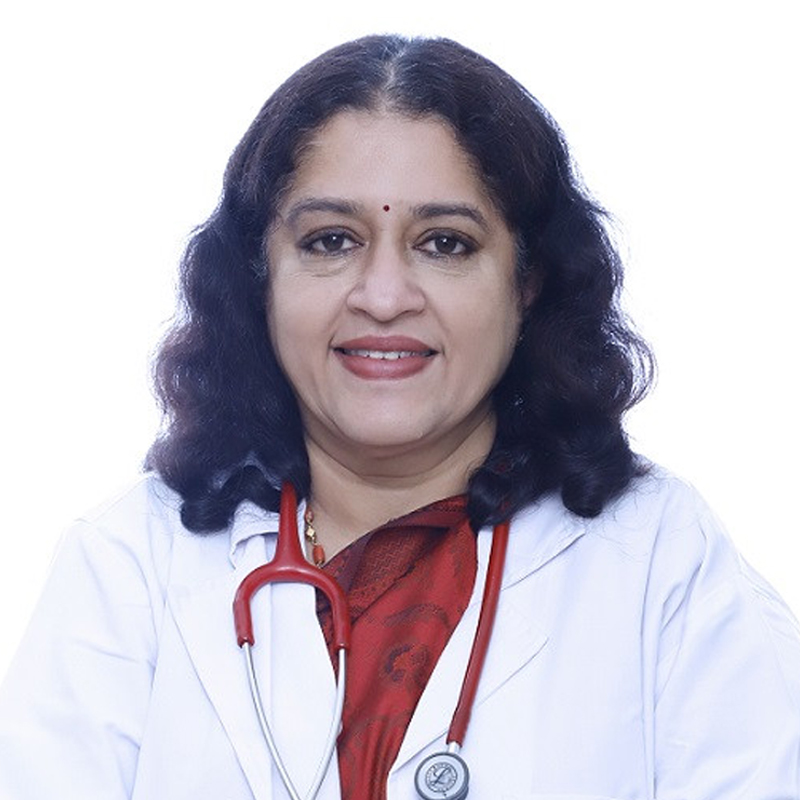
Dr. Praveena Shenoi
Clinical Director Obstetrics and Gynaecology
30 Years English,Kannada Marathahalli

Dr. Swapna Samudrala
Consultant - Obstetrics and Gynecology
Telugu,English Himayatnagar
Dr. Shruthi Reddy Poddutoor
Consultant Obstetrician, Gynecologist & Laparoscopic Surgeon
English,Telugu Banjara Hills
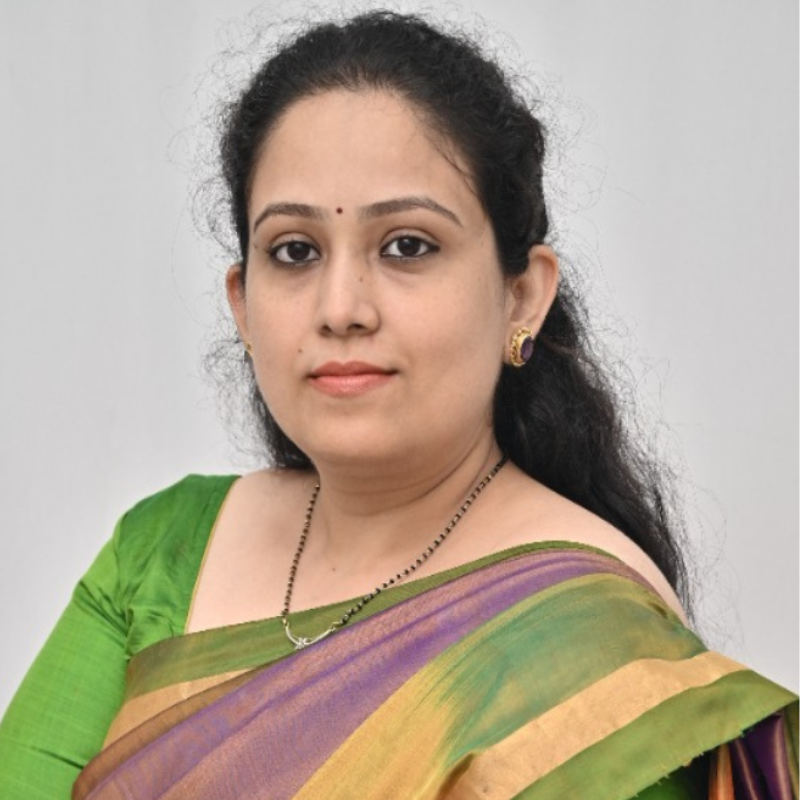
Dr. Gaana Sreenivas
Consultant - Obstetrician & Gynaecologist
Kannada,English,Hindi Bannerghatta

Dr. Manasa Badveli
Consultant Obstetrician, Gynaecologist & Laparoscopic surgeon
13 Years English,Telugu Financial District
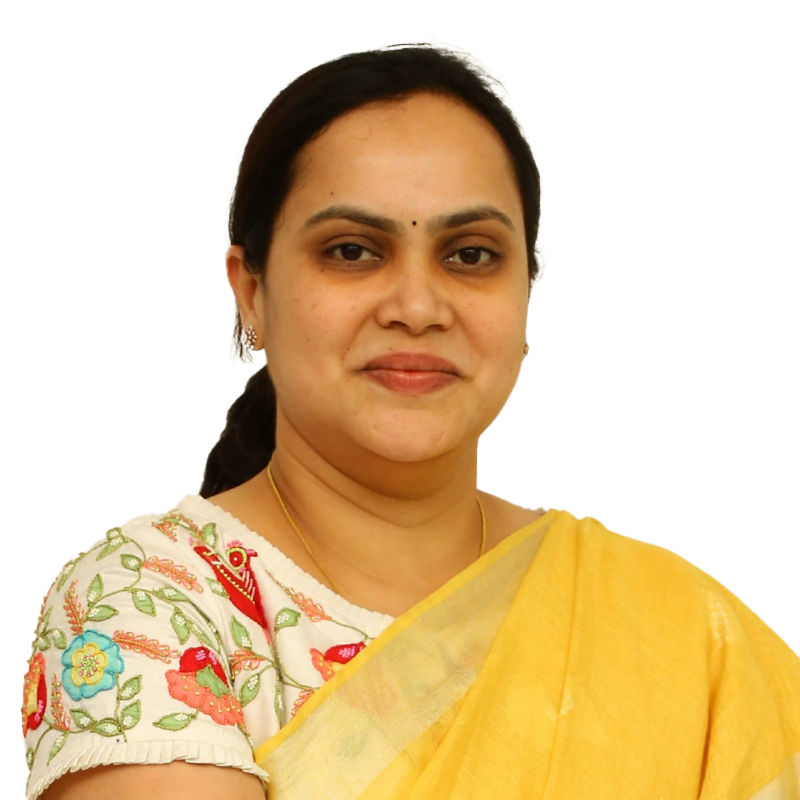
Dr. Pujitha Devi Suraneni
Consultant - High Risk Obstetrician, Laparoscopic Surgeon & Robotic Surgeon
14 Years English,Telugu Financial District
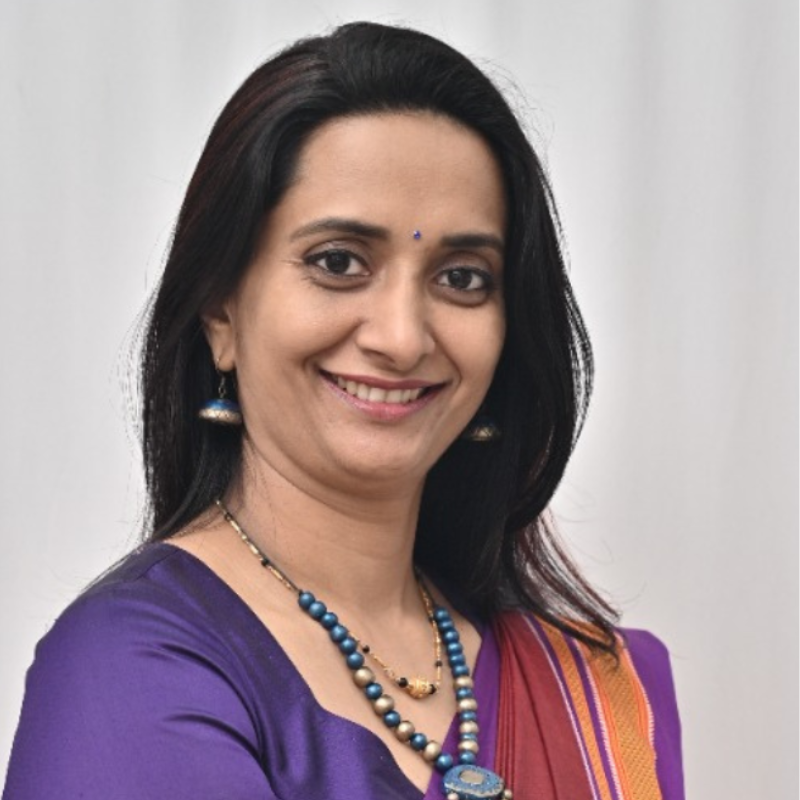
Dr. Gayathri B N
Consultant - Obstetrics & Gynecology
Kannada,English,Hindi Bannerghatta
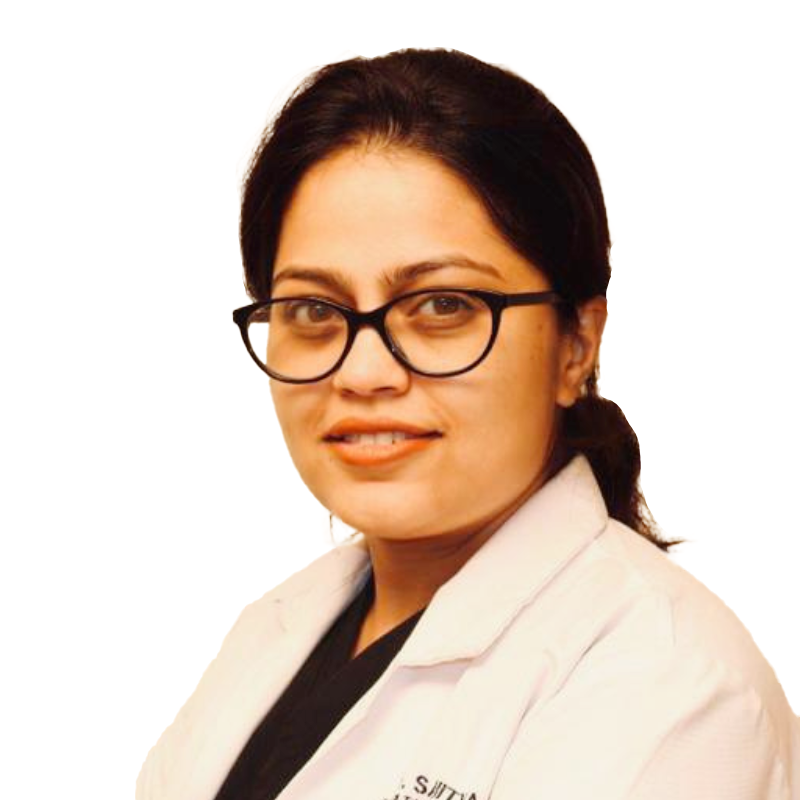
Dr. Sahitya Bammidi
Consultant Obstetrician And Gynaecologist Laparoscopic And Aesthetic Surgeon
13 years Years English,Telugu Financial District
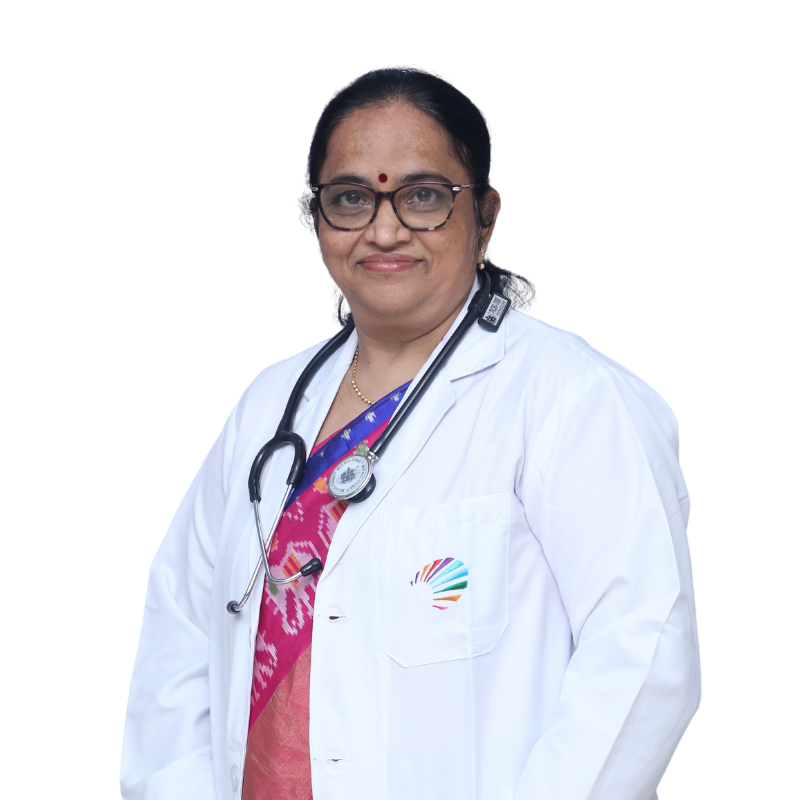
Dr. Sura Pushpalatha
Senior Consultant - Obstetrics and Gynecology
English,Tamil,Telugu Sholinganallur
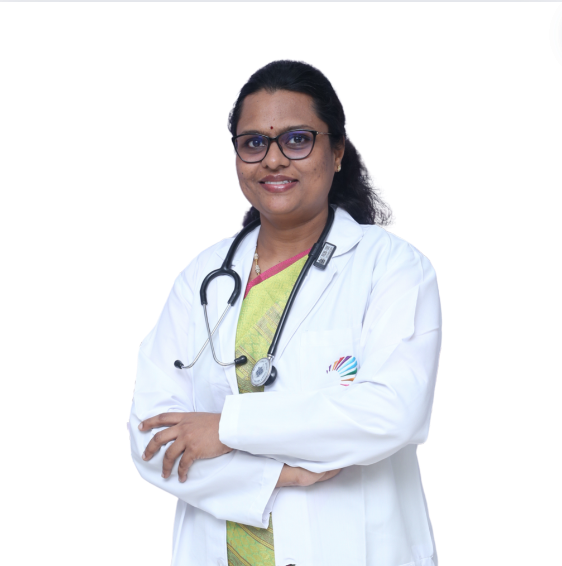
Dr. Nivedita S
Consultant- Obstetrics and Gynaecology
English,Hindi,Malayalam,Tamil Sholinganallur
Dr. Lakshmi Devi Appasani
Senior Consultant Obstetrician, Gynaecologist and Laparoscopic Surgeon
Telugu,English Kondapur OP
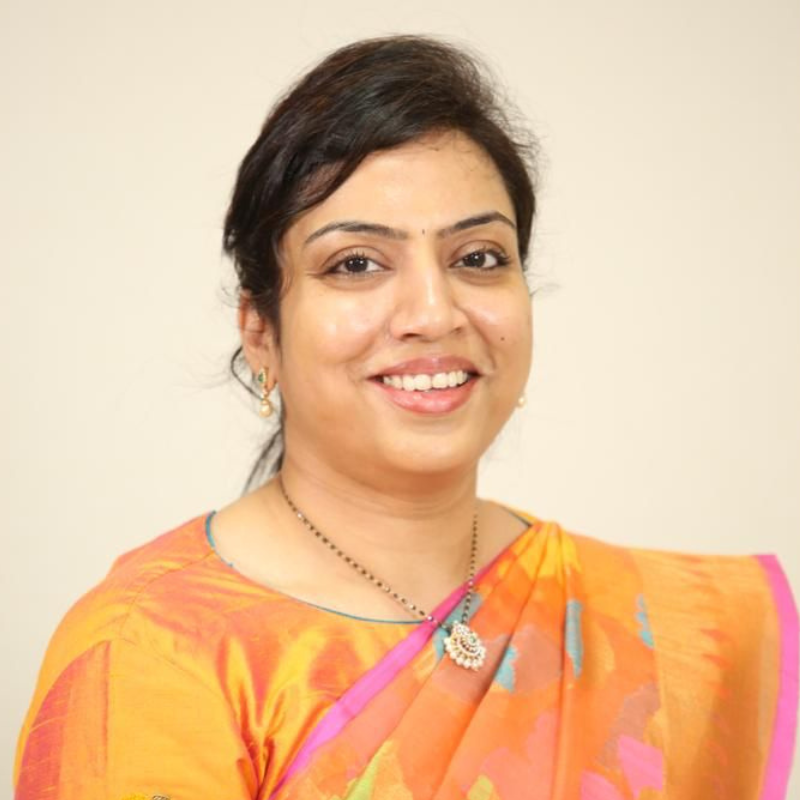
Dr. Vasudha Lagadapati
Consultant - Obstetrician, Gynaecologist and Laparoscopic Surgeon
12 Years English,Hindi,Telugu Financial District
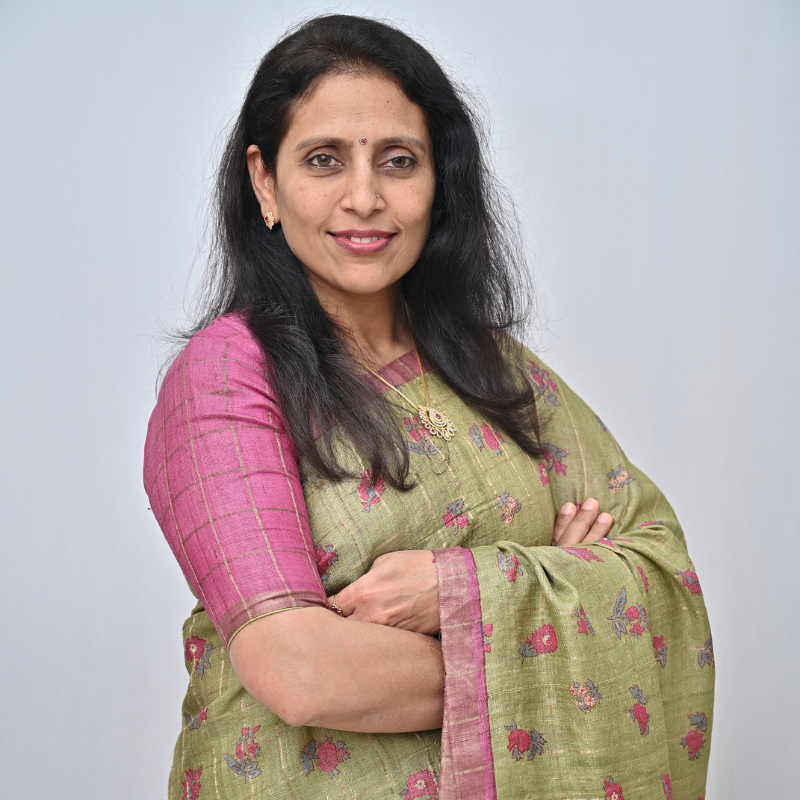
Dr. Shailaja N
Consultant - Obstetrics & Gynecologist
English,Hindi,Kannada Bannerghatta
Dr. Varalakshmi Nandyala
Senior Consultant - Obstetrics and Gynecology
Telugu,English Kondapur OP

Dr. Udita Mukherjee
Consultant - Obstetrician, Gynecologist, and Laparoscopic Surgeon
11+ Years Bengali,English,Hindi,Malayalam,Telugu Financial District

Dr. Sasikala Kola
Consultant Obstetrician & Gynecologist
English,Hindi,Telugu Banjara Hills

Dr. Vadlamudi Sravanthi
Consultant - Fetal Medicine
English,Telugu Financial District
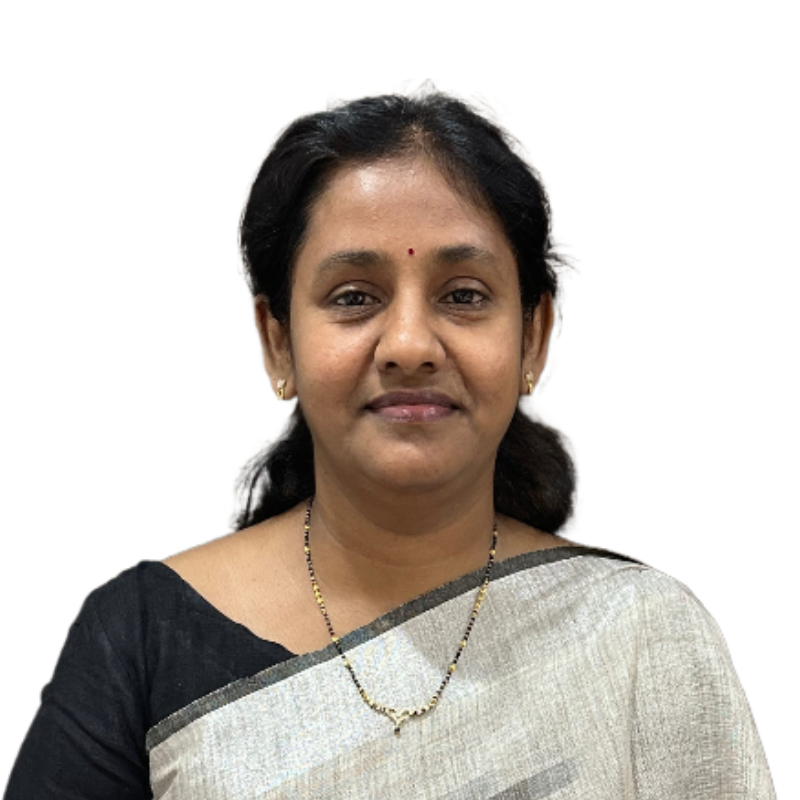
Dr. Mallipeddi Vijaya
Consultant Obstetrician and Gynecologist, Advanced Gynaec Laparoscopic Surgeon
18 Years English Currency Nagar
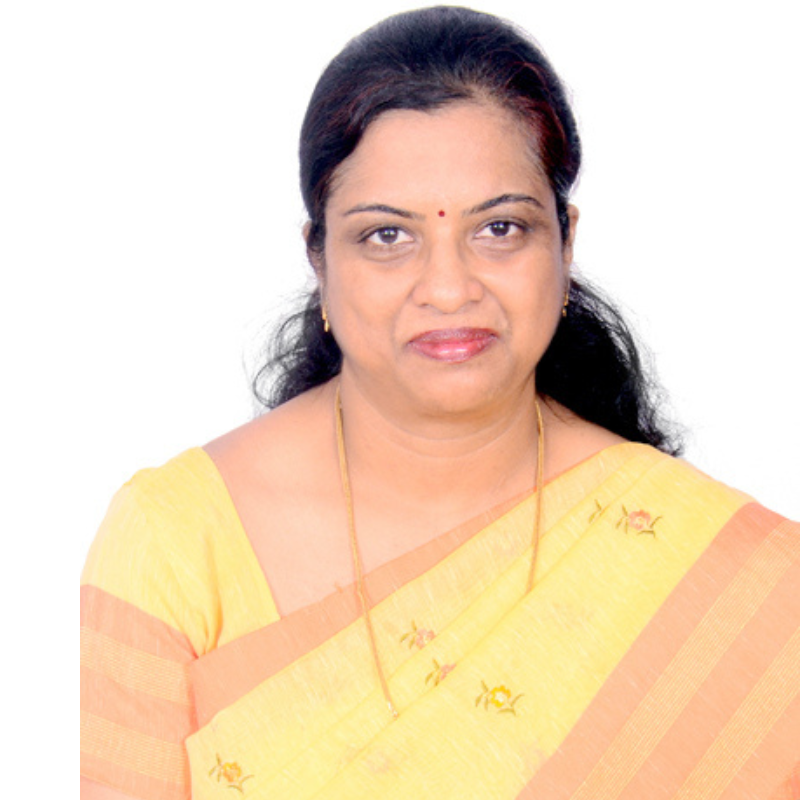
Dr. Srilata Patnaik
Senior Consultant –Obstetrics and Gynecology
18 Years English,Hindi,Odia,Telugu Secunderabad
Dr. Akhila Gogineni
Senior Consultant - Obstetrics and Gynecology
18 Years Telugu,English Kondapur OP
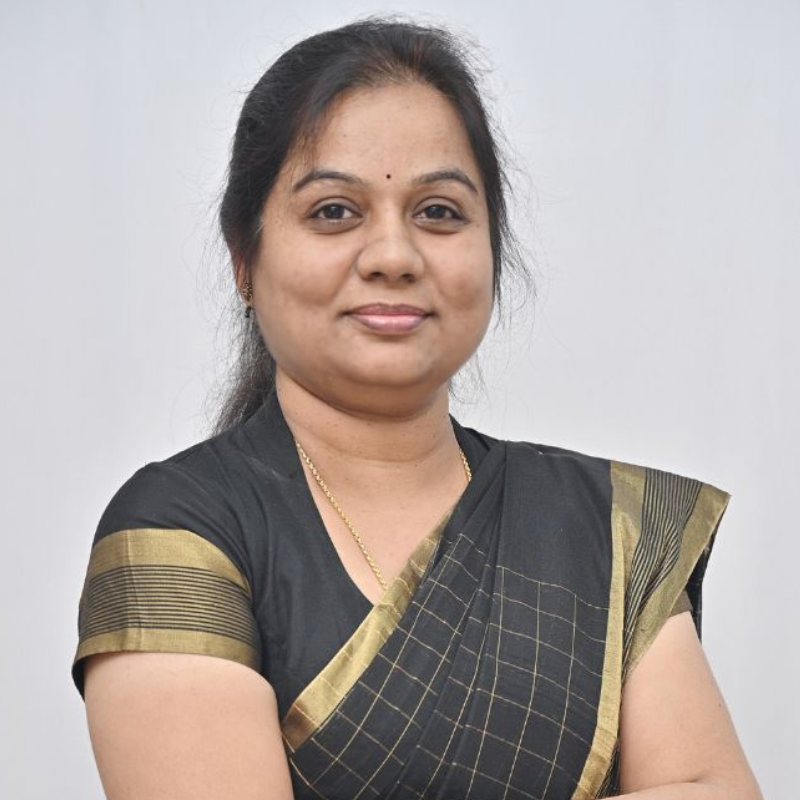
Dr. Ambika V
Consultant - Obstetrics and Gynecologist
17 Years Kannada,English,Hindi Bannerghatta
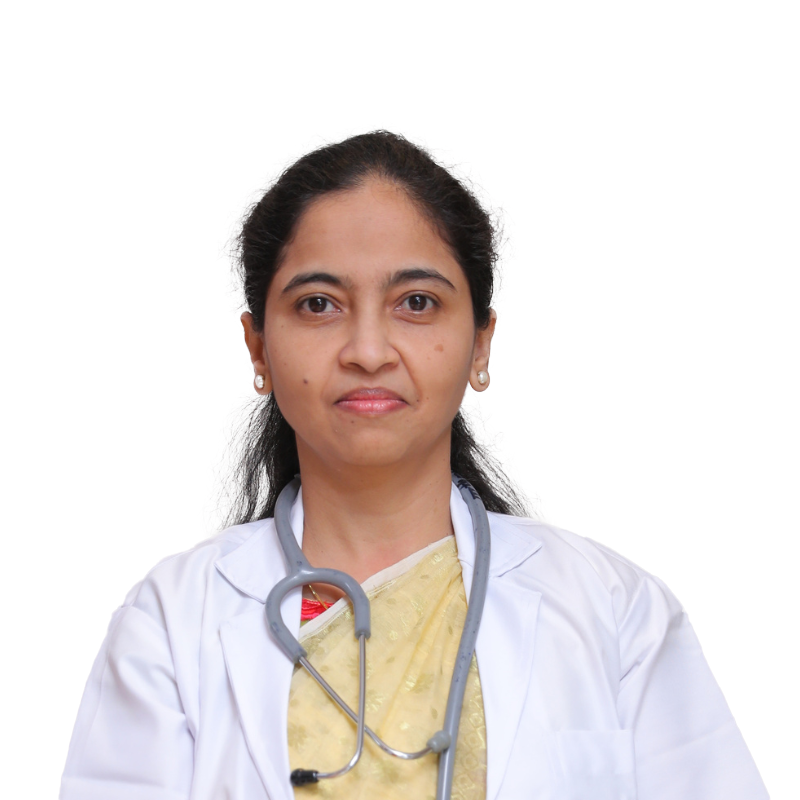
Dr. Annie Pranutha P
Consultant Obstetrics and Gynecology
9 Years English,Hindi,Telugu Banjara Hills, Attapur Clinic
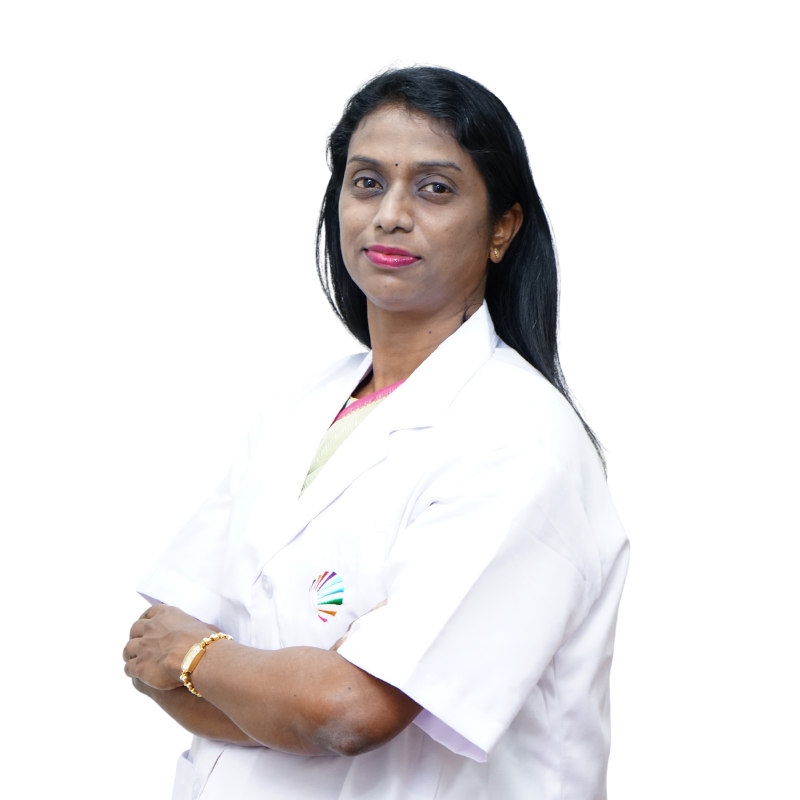
Dr. Aruna Thangapandy
Consultant - Obstetrics & Gynecology
English,Hindi,Kannada,Tamil Marathahalli

Dr. Atigadda Vijaya
Consultant - Obstetrics & gynecology
Hindi,Telugu Banjara Hills, Himayatnagar, Attapur Clinic
Dr. Ashitha A V
Consultant - Obstetrics & Gynecology
11 Years English,Hindi,Kannada Marathahalli
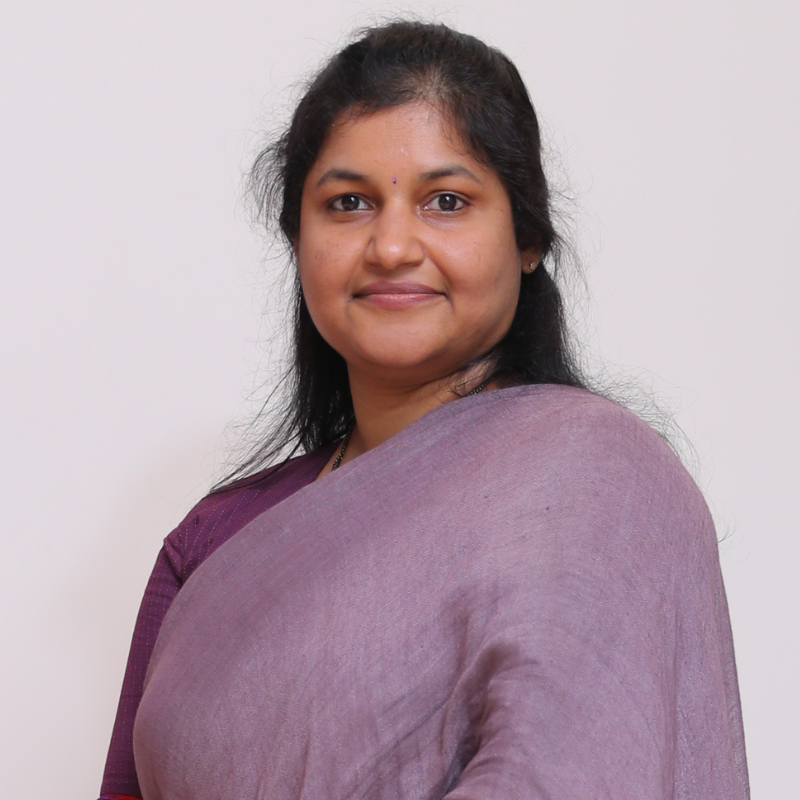
Dr. Bhargavi Reddy K
Consultant - Obstetrics and Gynecology
10 Years English,Hindi,Telugu Banjara Hills, Attapur Clinic
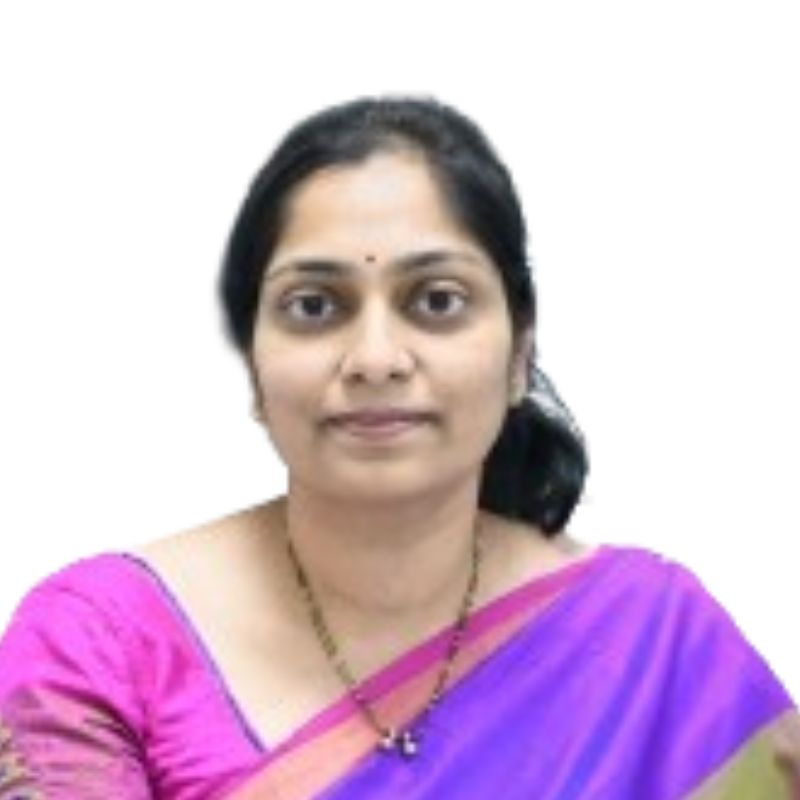
Dr. Bhavana K
Senior Consultant –Obstetrics and Gynecology
English,Hindi,Telugu Secunderabad
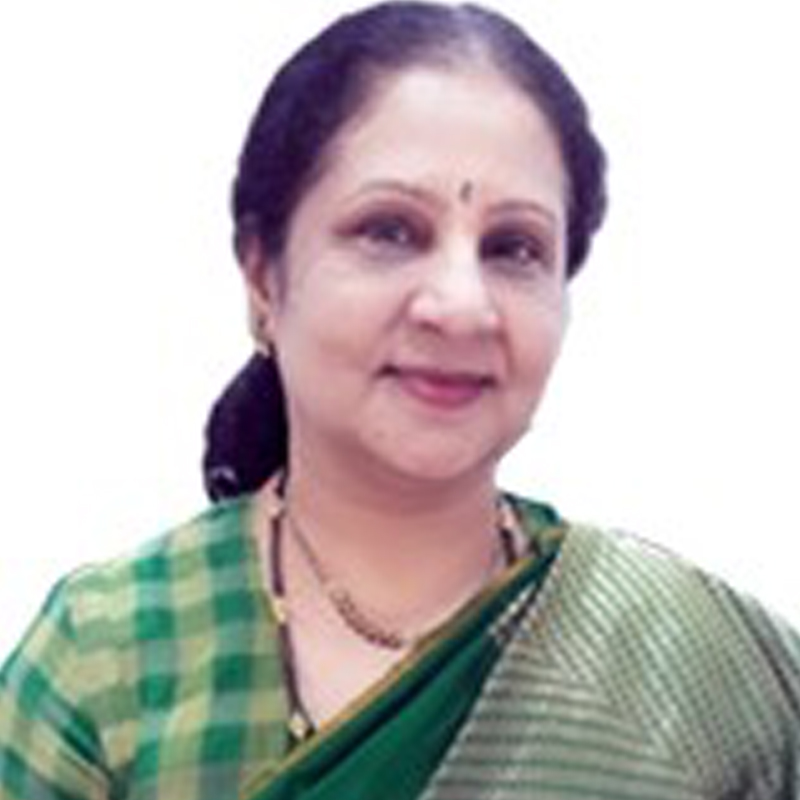
Dr. C P Sudha
Consultant - Obstetrics and Gynecology
25 Years Kannada,English,Hindi Bannerghatta
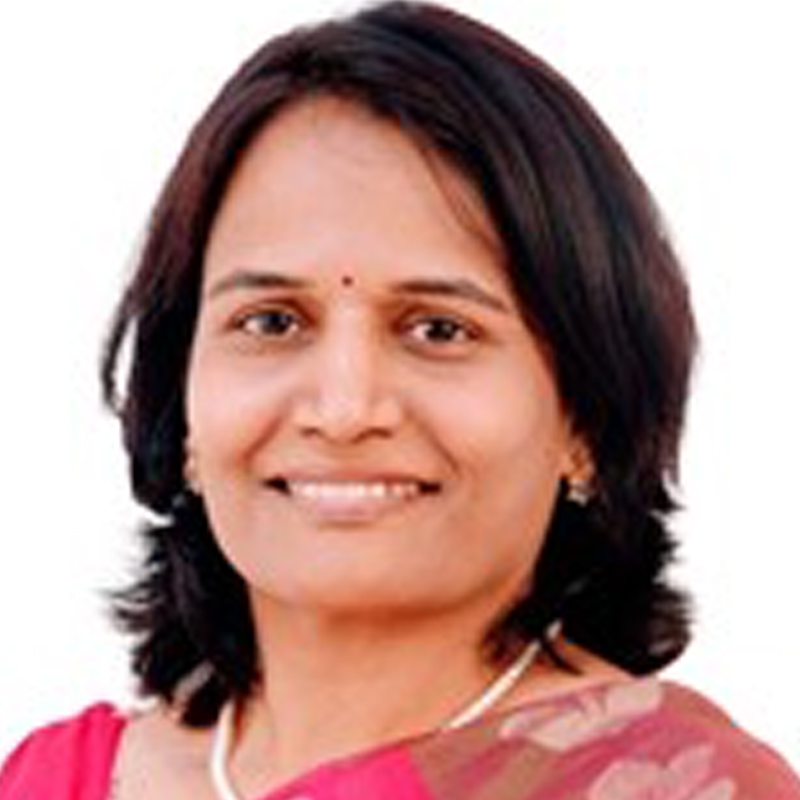
Dr. Chaitanya Cheeti
Consultant - Obstetrics and Gynecology
10+ Years Telugu,English Hydernagar
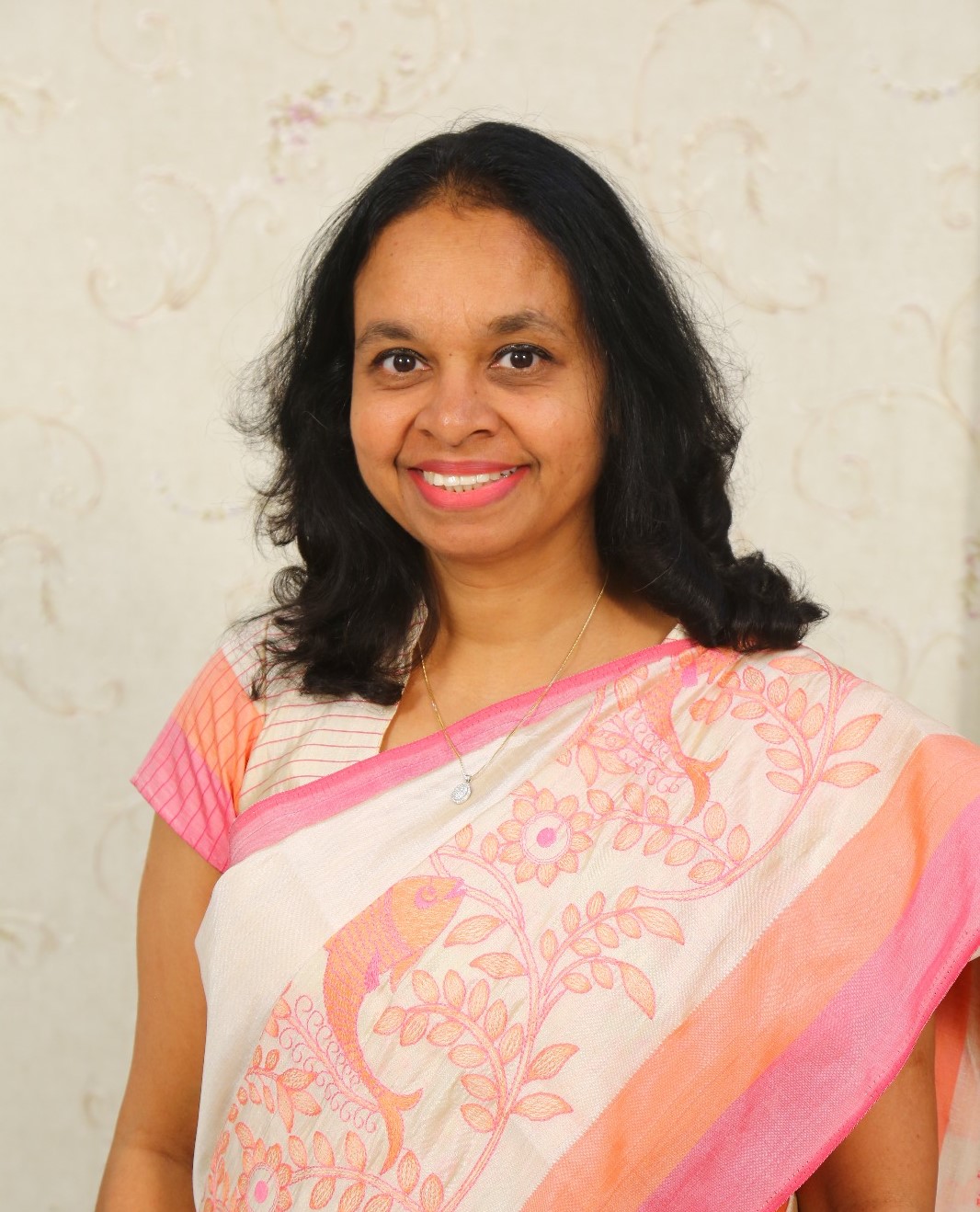
Dr. Chuppana Raga Sudha
Sr. Consultant Obstetrician and Gynecologist
25 Years English,Hindi,Telugu Health City, Kailash Metta
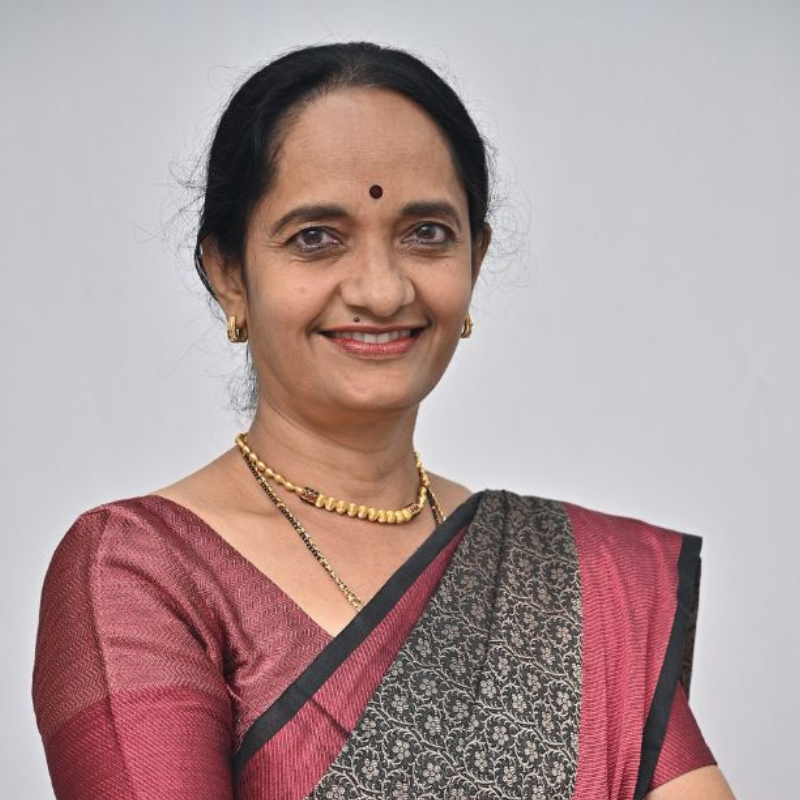
Dr. Chetana K Nelivigi
Consultant - Obstetrician & Gynecology
29 Years English,Hindi,Kannada Bannerghatta
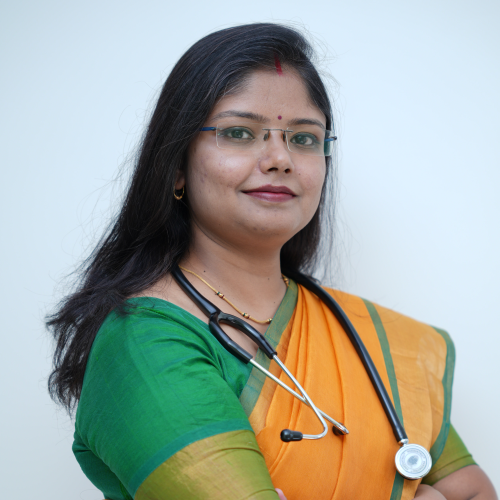
Dr. Dipika Deepak
Consultant – Obstetrics & Gynecology
14 Years English,Hindi,Kannada,Tamil HRBR

Dr. Himabindu Veerla
Consultant Obstetrician, Gynecologist & Laparoscopic Surgeon
English,Telugu Banjara Hills
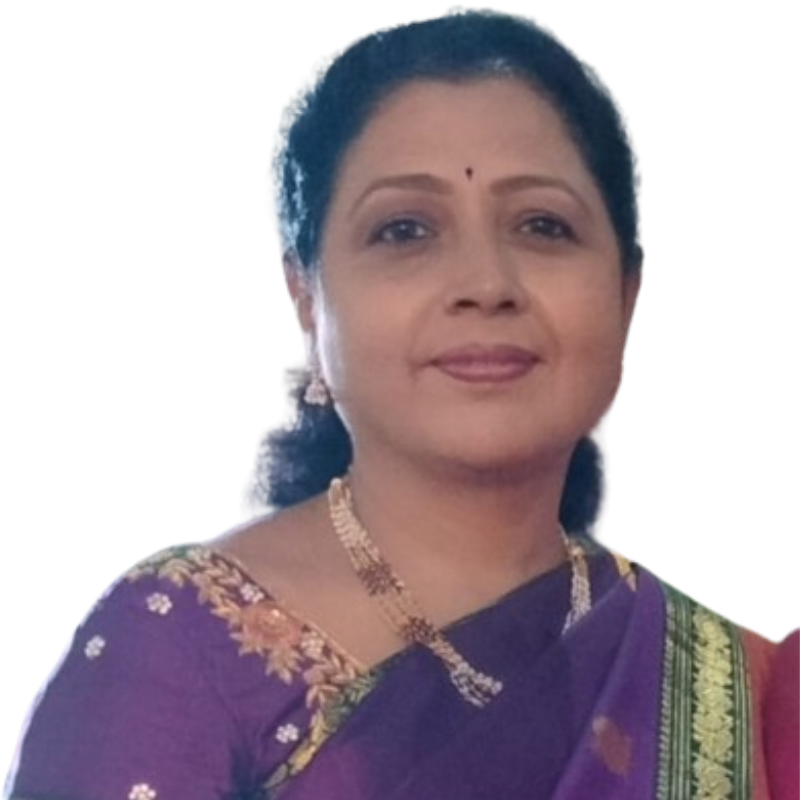
Dr. Indira Rani Y
Consultant - Obstetrics and Gynecology
32+ Years English,Hindi,Telugu Himayatnagar
Dr. Jalaja K Reddy
Senior Consultant - Obstetrics & Gynecology
Kannada,English Marathahalli
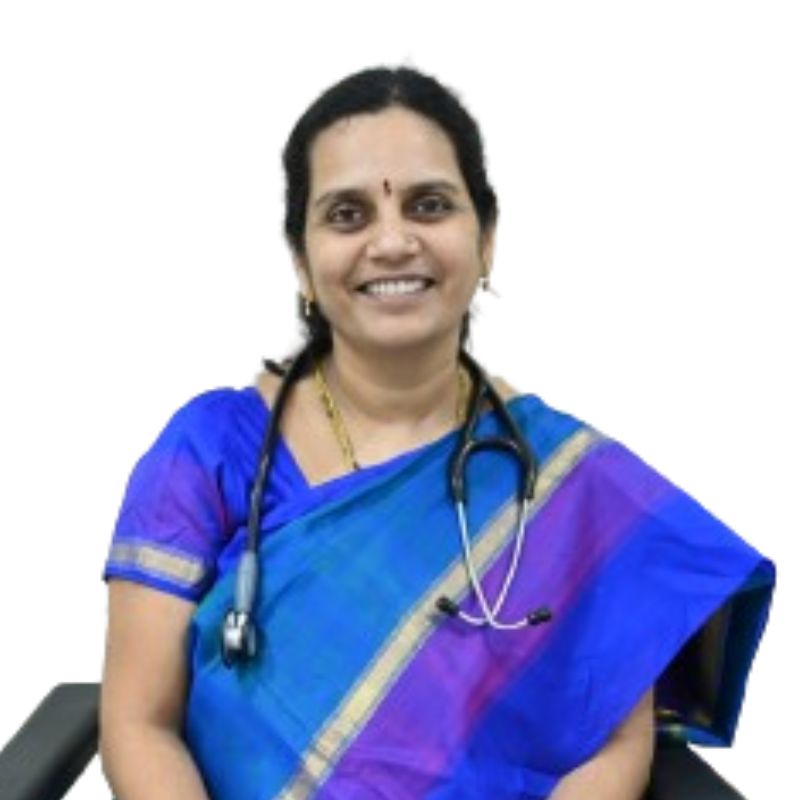
Dr. Kappagantula Aparna
Senior Consultant Obstetrician & Gynecologist laparoscopic Surgeon
English,Telugu Secunderabad
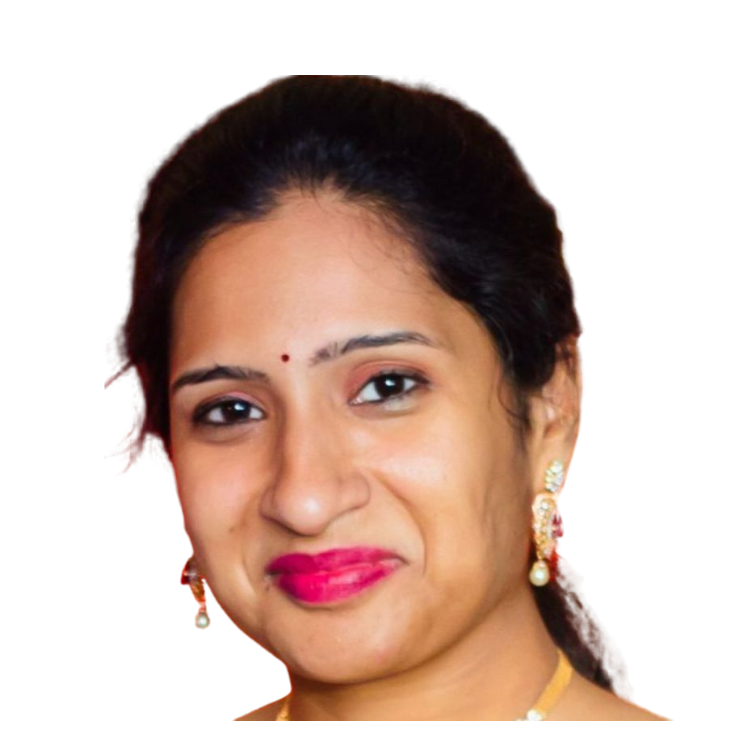
Dr. Kirti Reddy Patlolla
Consultant Obstetrics and Gynaecology
English,Telugu Banjara Hills, Attapur Clinic
Dr. Koteswaramma Ganta
Consultant - Obstetrics & Gynecology
Telugu,Hindi,English LB Nagar
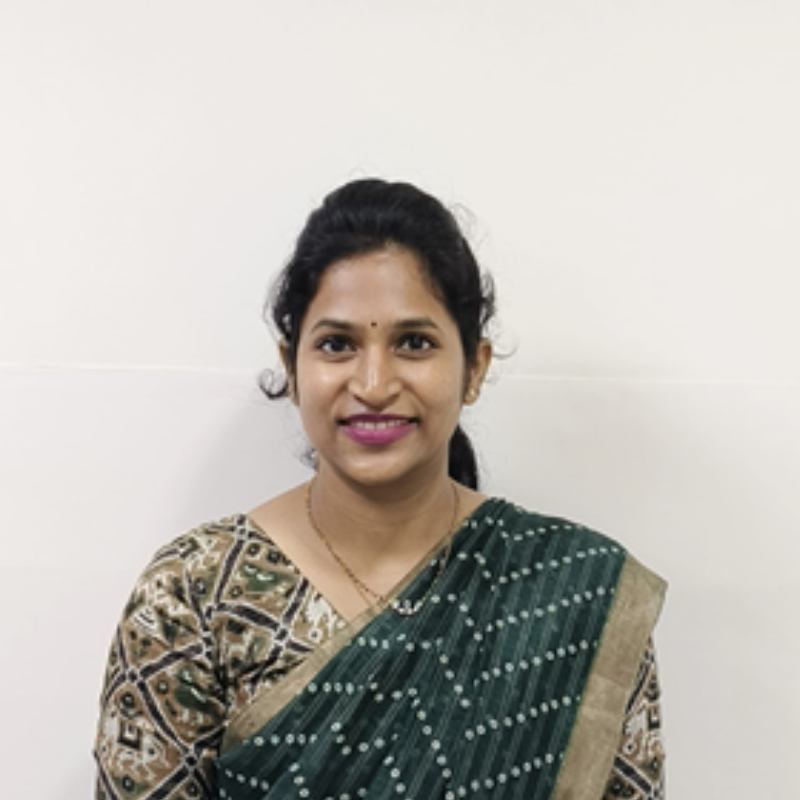
Dr. Kadiyala Ramya Theja
consultant - Obstetrician and Gynecologist
6+ Years Telugu,English,Hindi Himayatnagar
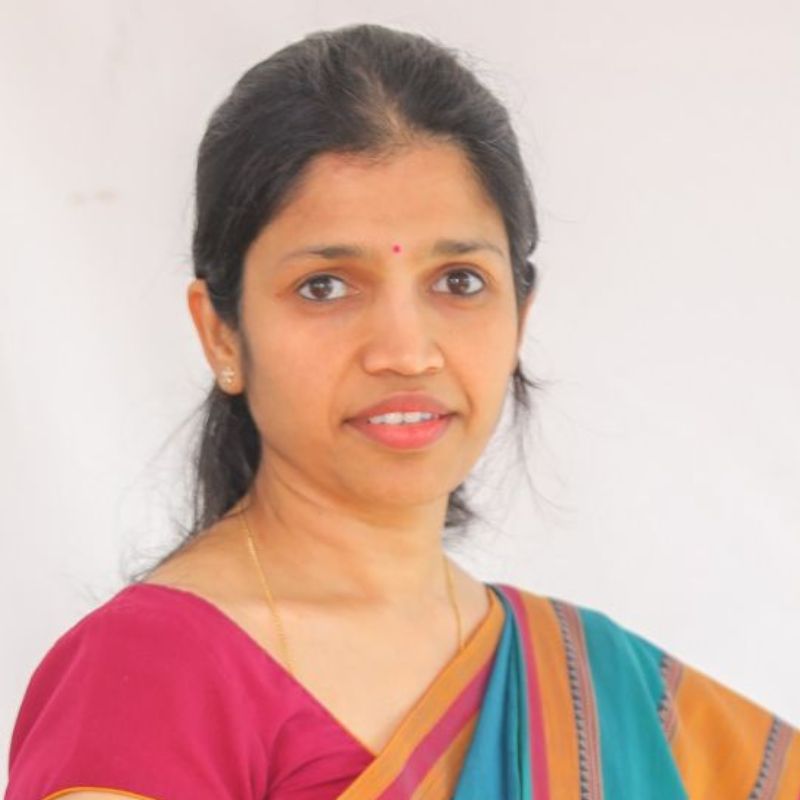
Dr. Kavita Peter Gonsalves
Consultant- Obstetrics & Gynecology
15 Years English,Hindi,Kannada,Konkani Bannerghatta
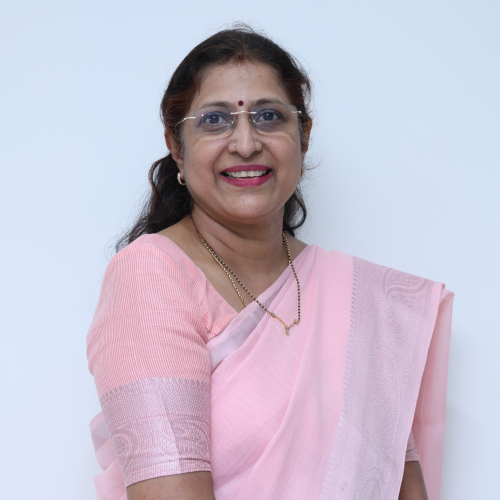
Dr. Kavitha Lakshmi Easwaran
Senior Consultant – Obstetrics & Gynecology and Infertility
28 Years English,Hindi,Kannada,Malayalam,Tamil,Telugu HRBR
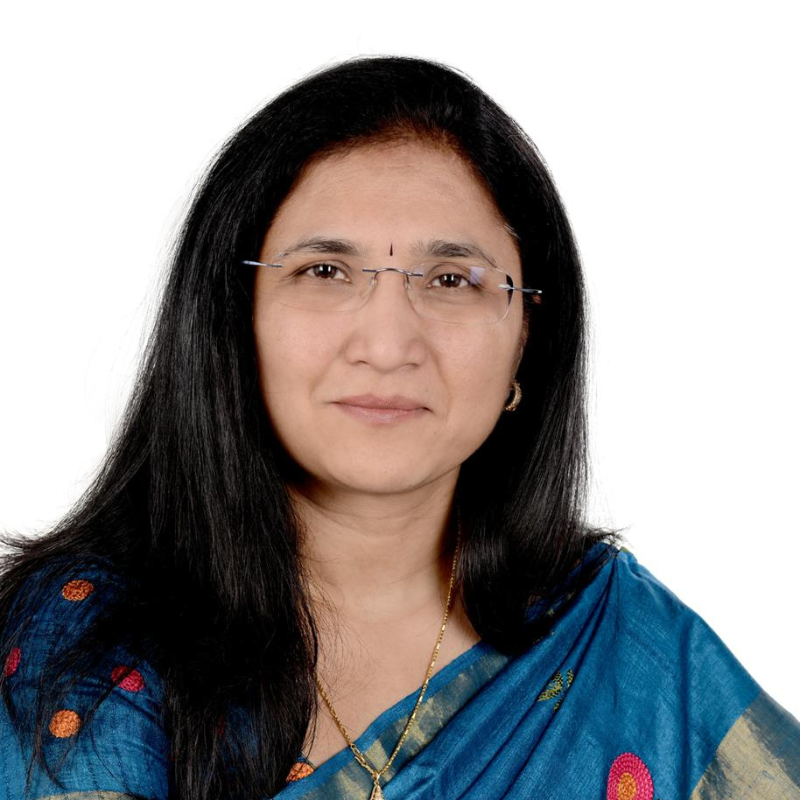
Dr. Lakshmi Kiran S
Senior Consultant - Obstetrics and Gynecology,Fetal Medicine Specialist
English,Hindi,Telugu Kondapur OP
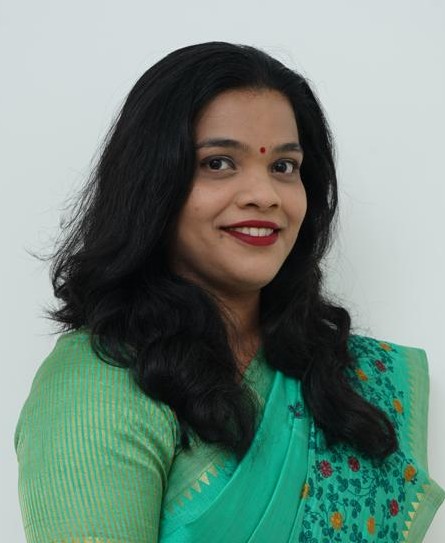
Dr. Lucetta Amelia Dias
Consultant - Obstetrics and Gynecology
6 Years English,Hindi,Tamil Guindy

Dr. M Prathyusha Reddy
Consultant Obstetrics & Gynecology
English,Telugu Banjara Hills
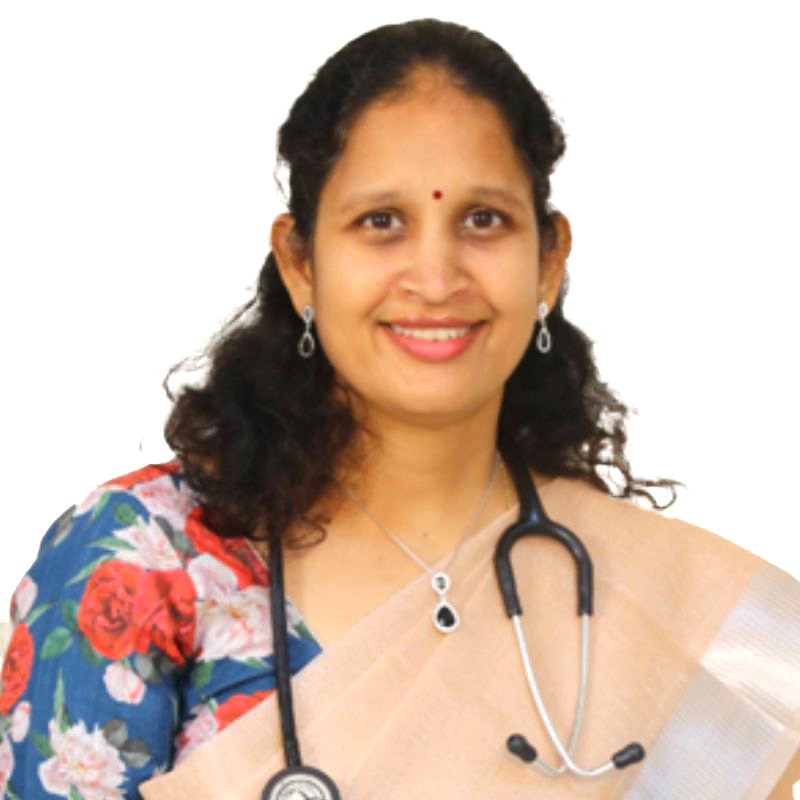
Dr. M V R Shailaja
Consultant Obstetrician and Gynecologist
17 Years English,Hindi,Odia,Telugu Health City, Kailash Metta
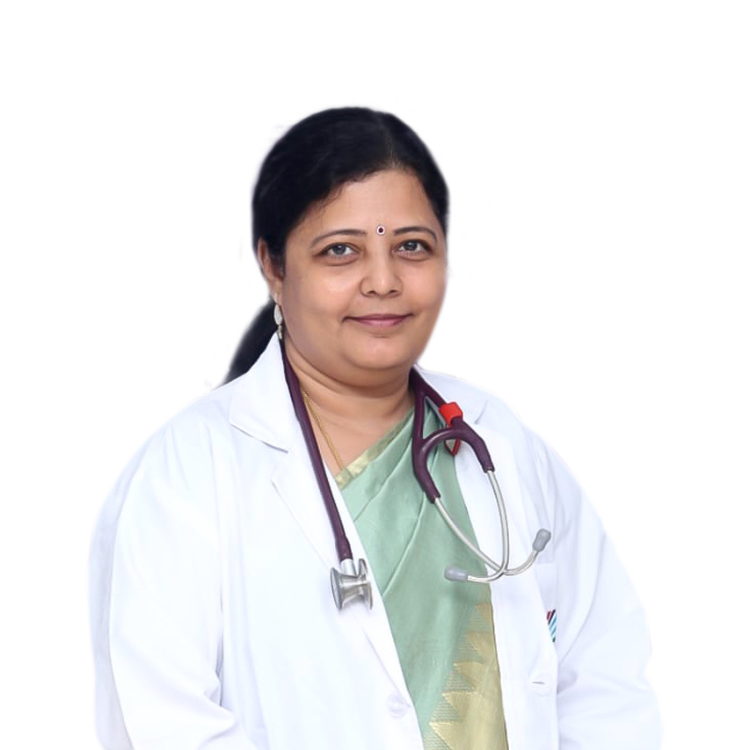
Dr. Mangaleswari
Consultant - Physician & Diabetologist
23 Years English,Tamil Sholinganallur
Dr. Mathangi Rajagopalan
Senior Consultant – Obstetrics and Gynecology
15+ Years English,Tamil Guindy
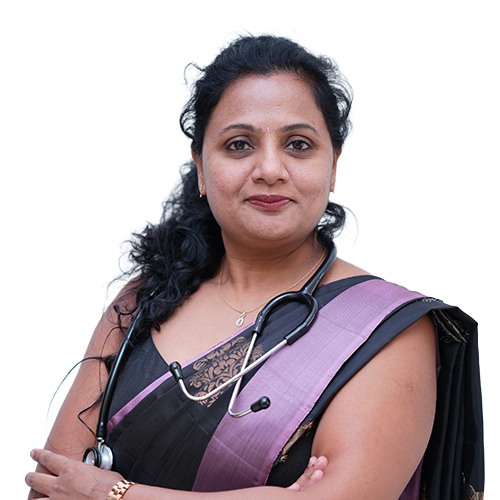
Dr. Manjula Deepak
Lead Consultant – Obstetrics & Gynecology
20 Years English,Hindi,Kannada,Malayalam,Tamil,Telugu HRBR
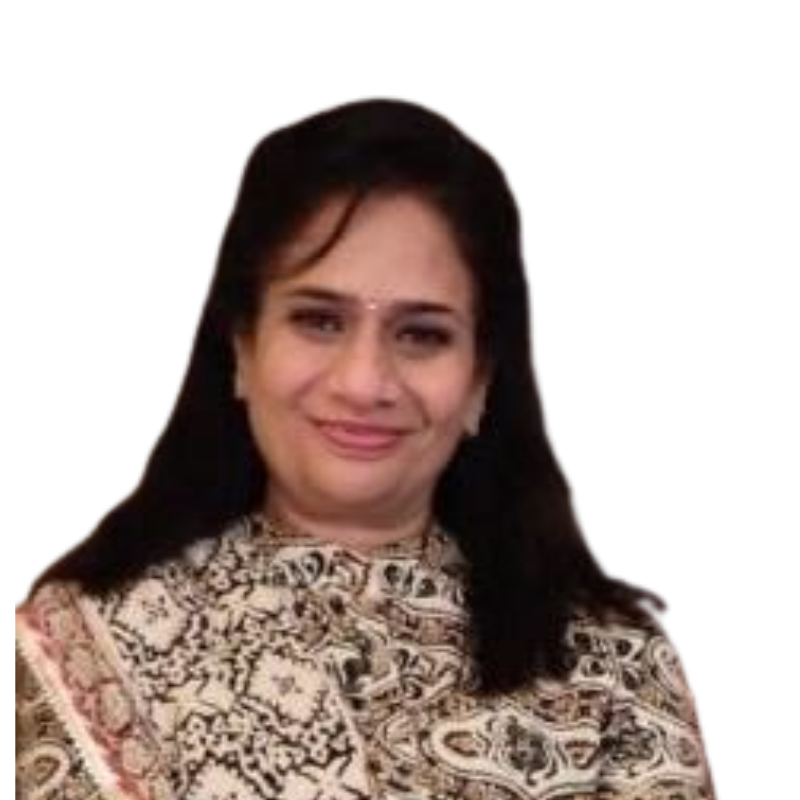
Dr. N Sunitha
Senior Consultant - Obstetrician & Gynaecologist
English,Tamil,Telugu,Hindi Anna Nagar
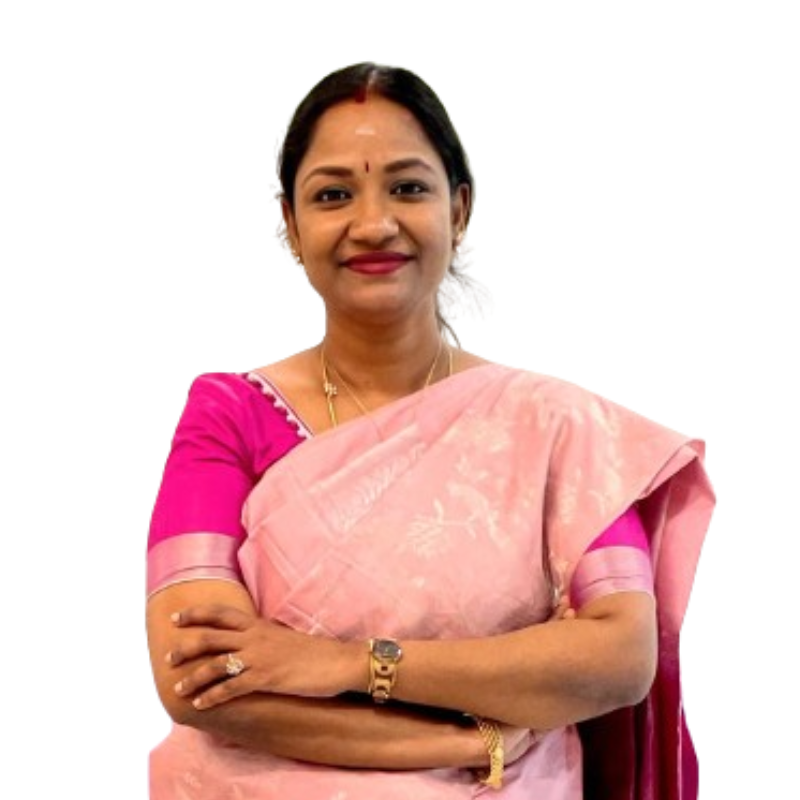
Dr. Nandini L
Consultant - Obstetrician & Gynecologist
11 Years English,Tamil,Telugu,Hindi Anna Nagar
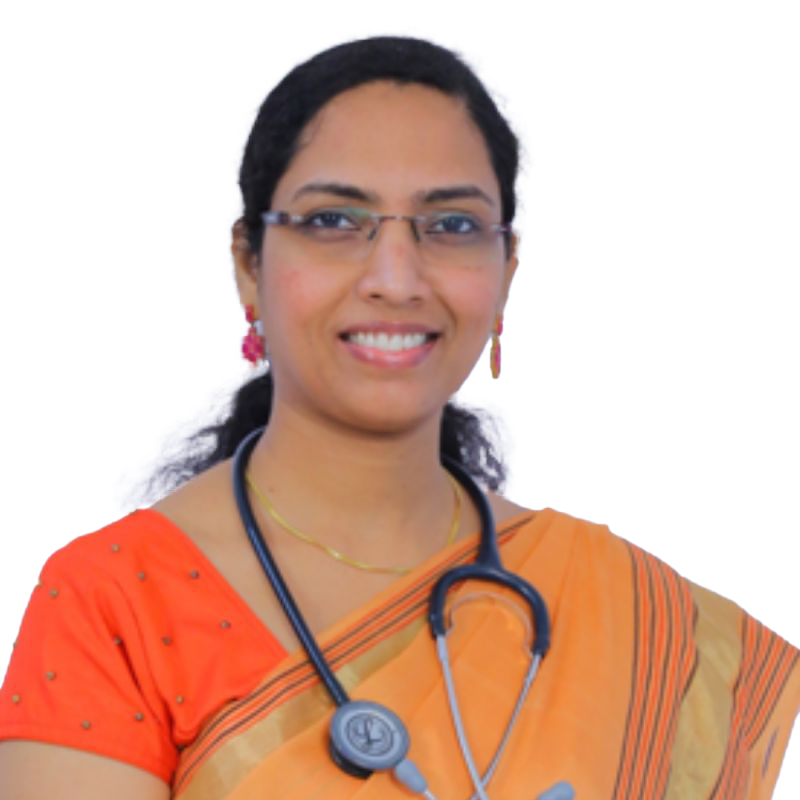
Dr. Niharika Allu
Consultant Gynecologist
19 Years English,Hindi,Tamil,Telugu Health City, Kailash Metta
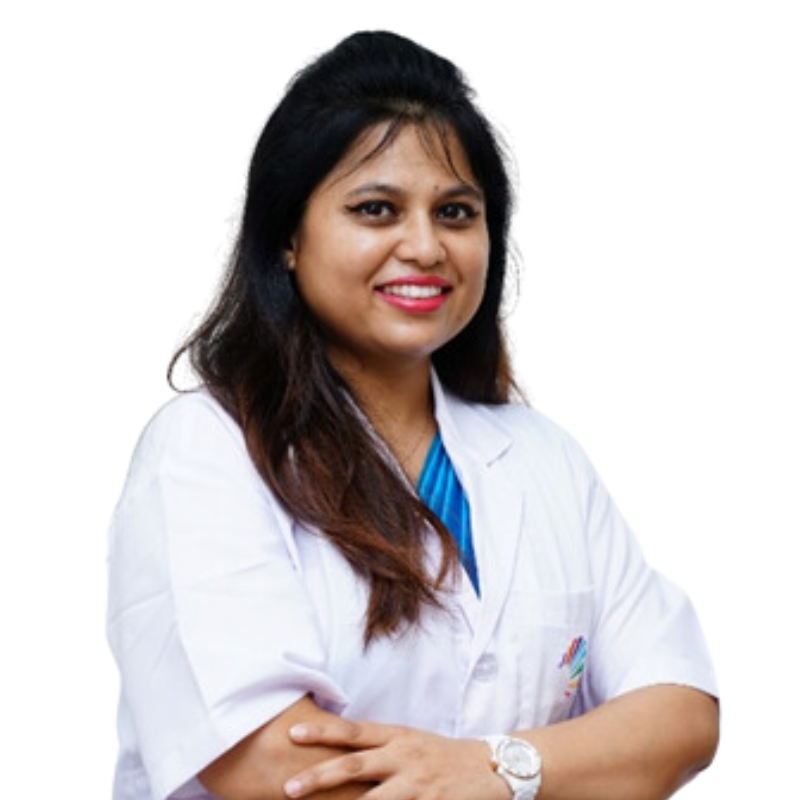
Dr. Nikita Maan Singh
Consultant - Obstetrics, Gynaecology ,Laparoscopic surgery & Infertility
10+ Years English,Hindi,Marathi Marathahalli
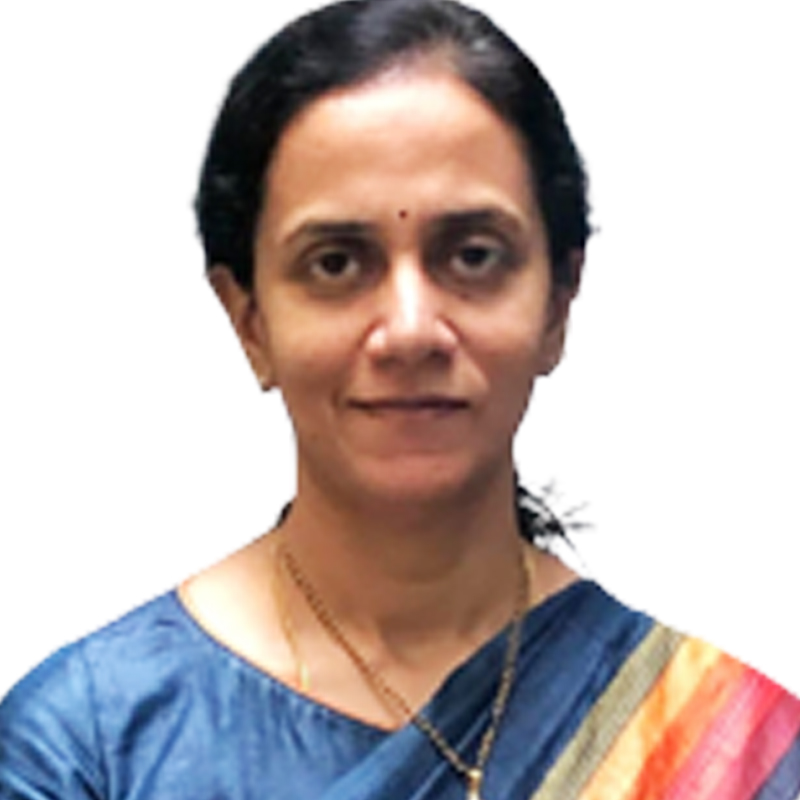
Dr. Nirupama Vaddi
Consultant - Obstetrics & Gynecology
English Currency Nagar, Governorpet
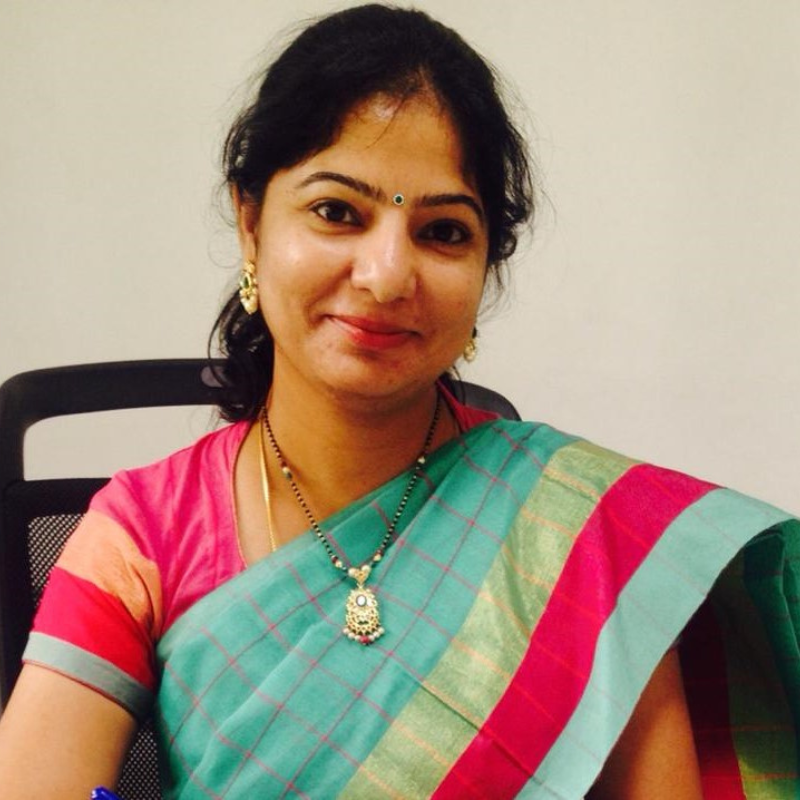
Dr. Pallavi Reddy
Consultant - Obstetrics & Gynecology
Telugu,Hindi,English Hydernagar
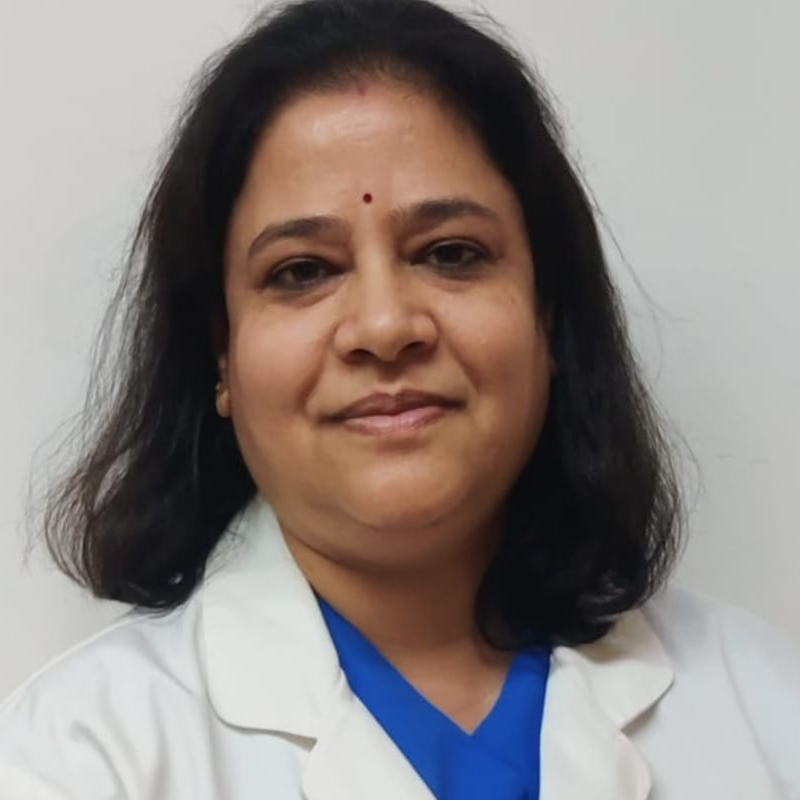
Dr. Pooja Rana
Consultant Gynaecologist and Obstetrics
English Panchsheel Park - Rosewalk
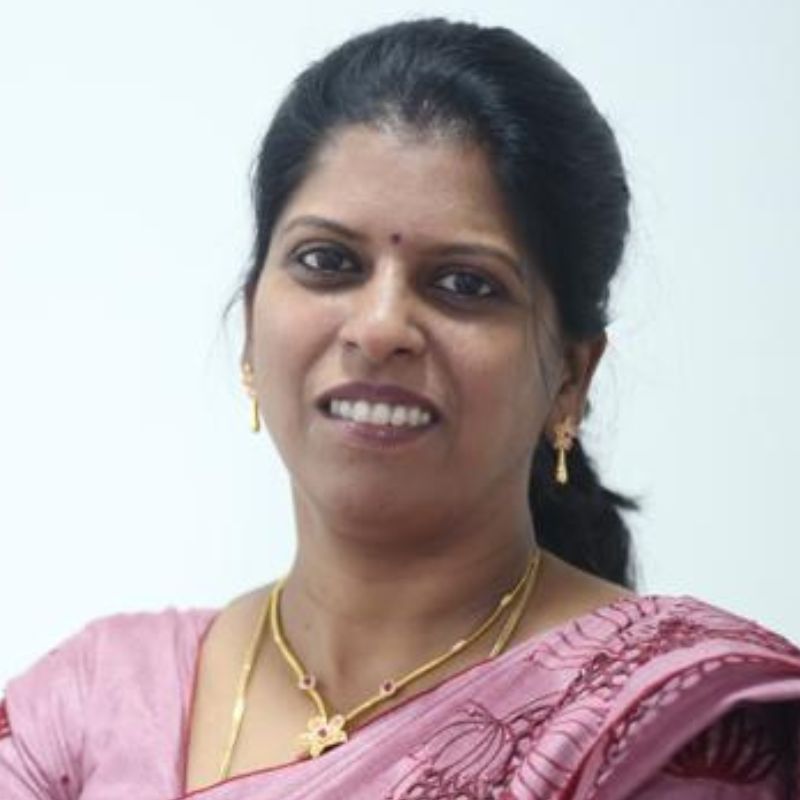
Dr. Priyadharshini S M
Senior Consultant – Obstetrics And Gynecology
15+ Years English,Tamil,Hindi Guindy
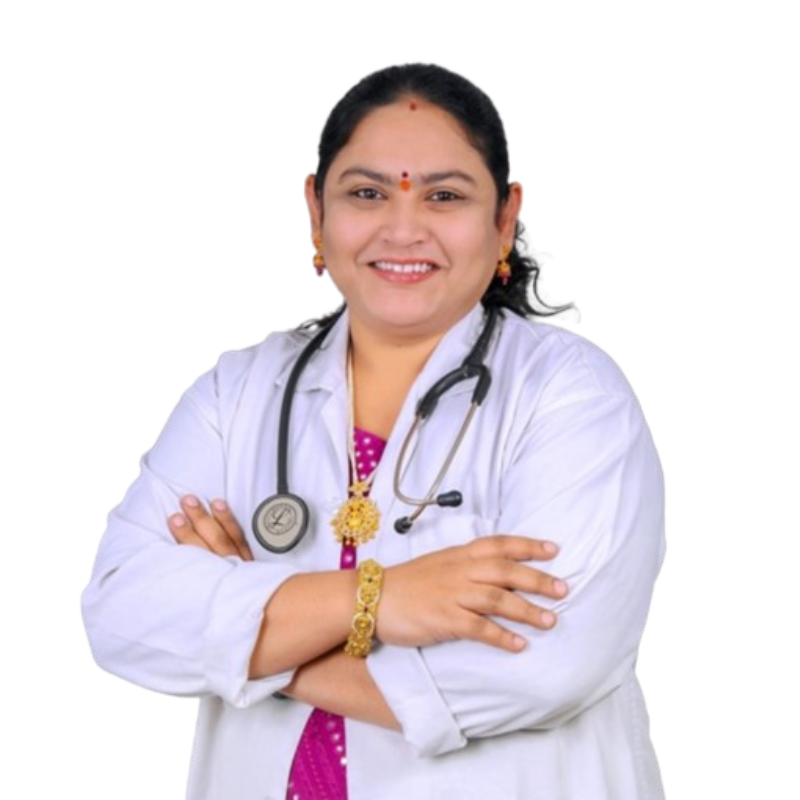
Dr. Pampana Priyadarshini
Consultant- Obstetrician & Gynecology
9 Years Telugu,English Himayatnagar
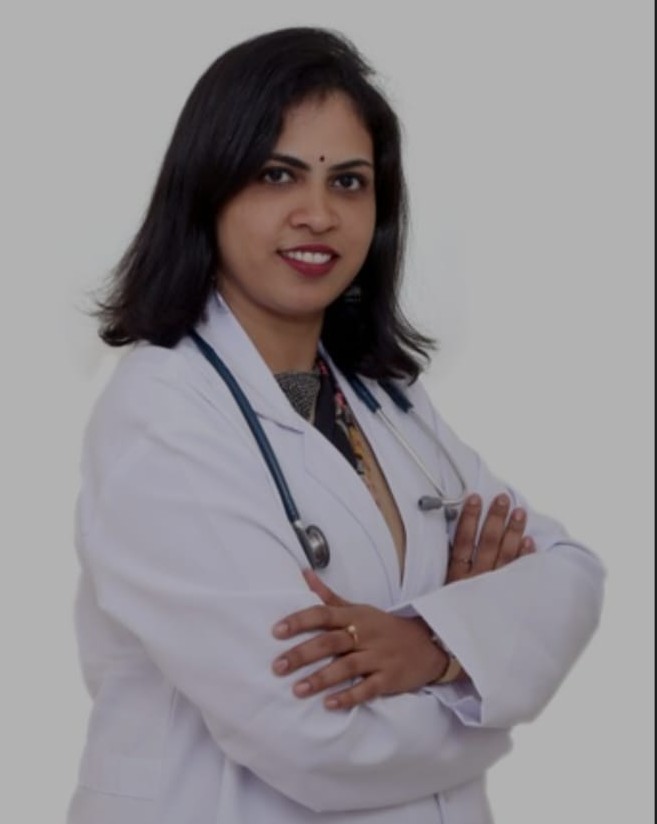
Dr. Poornima M
Senior Consultant Obstetrics & Gynecology
15 Years English,Hindi,Kannada,Tamil,Telugu Marathahalli

Dr. Rajani Kumari
Consultant - Obstetrics and Gynecology
English,Telugu Himayatnagar
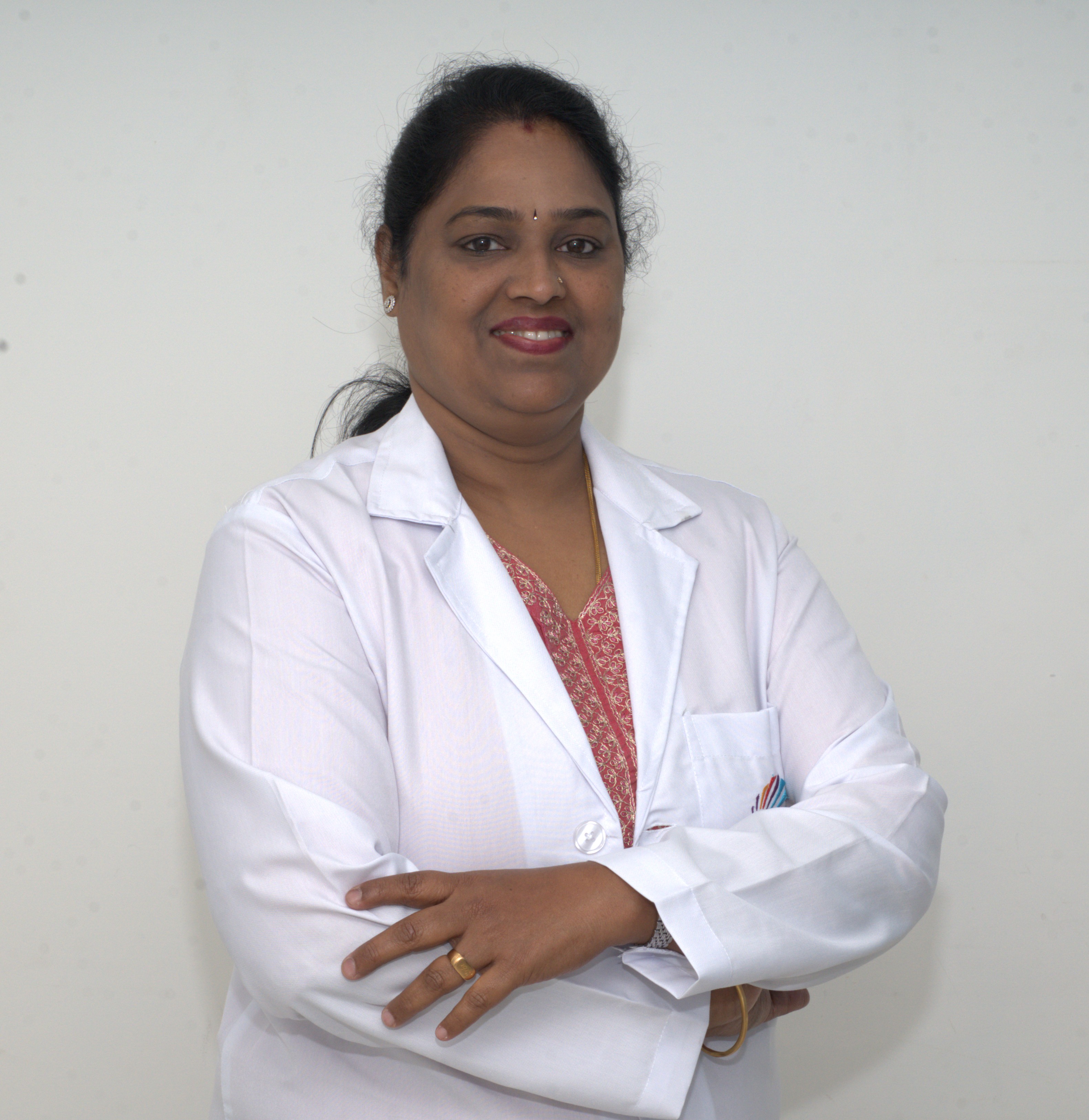
Dr. Roopa Sibi Sekhar
Consultant OBG and Infertility
18 Years English,Hindi,Kannada,Malayalam,Tamil,Telugu Sarjapur Road
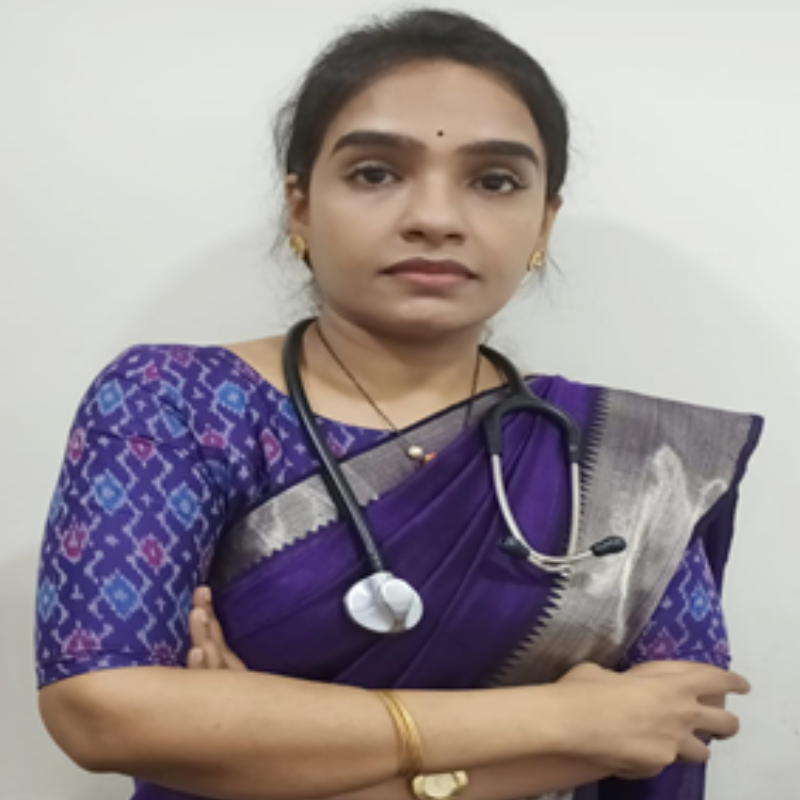
Dr. Santhi Antharvedi
Consultant - Obstetrics & Gynecology
17 Years Telugu,Hindi,English Himayatnagar
Dr. Saroja Banothu
Consultant - Obstetrics and Gynecology
Telugu,English LB Nagar
Dr. Shyamala Mundumula
Consultant - Obstetrics and Gynecology
Telugu,English LB Nagar
Dr. Sumangala B Chikkamath
Consultant- Obstetrics and Gynecology
18 Years Kannada,English,Hindi Bannerghatta
Dr. Swapna Pooskuru
Consultant - Obstetrics and Gynecology
English,Telugu Hydernagar
Dr. Shreeja Karan
Consultant – Obstetrics & Gynaecology & Fertility Specialist
Bengali,English,Hindi Sarjapur Road
Dr. Suganya Chandrasekeran
Junior Consultant - Obstetrics & Gynecology
8 Years English,Hindi,Kannada,Tamil Marathahalli
Dr. Suman Singh
Senior Consultant – Obstetrics, Gynecology, Infertility and IVF
27 Years English,Hindi,Kannada Bannerghatta
Dr. Uma Mikkilineni
Senior Consultant Obstetrician & Fetal Medicine Specialist
English,Telugu Currency Nagar, Governorpet
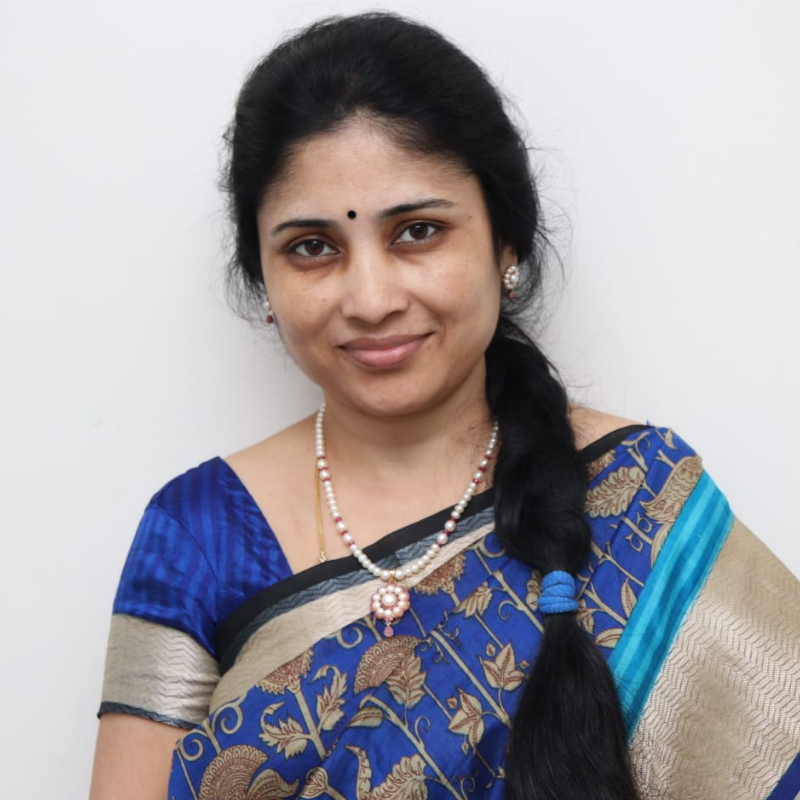
Dr. Umajyothi K
Consultant - Obstetrics and Gynecology
Telugu,English Hydernagar
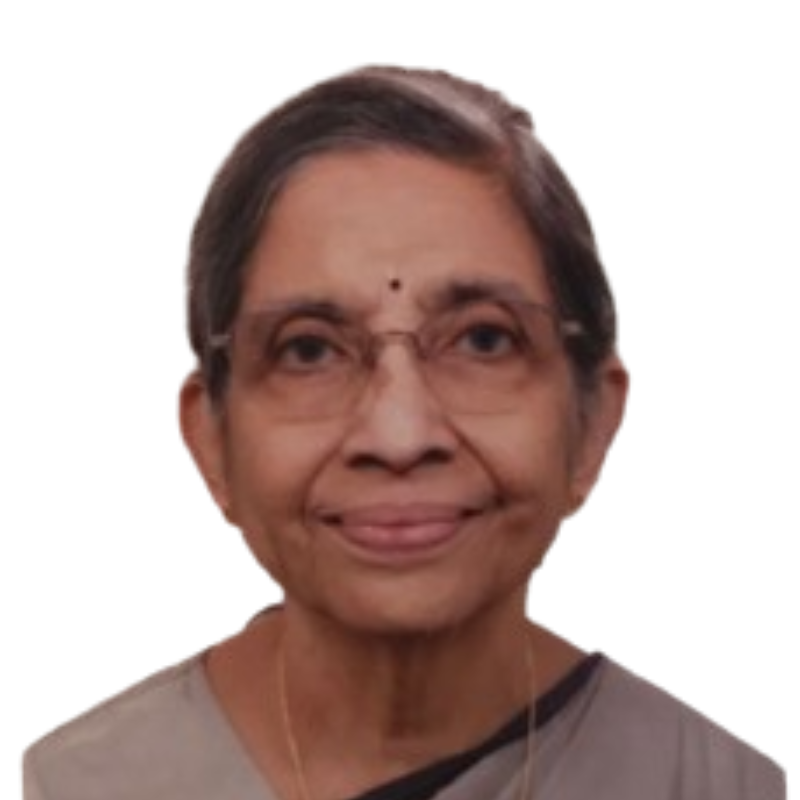
Dr. V K Shantha
Senior consultant- obstetrician & gynaecologist
45 Years English,Tamil Anna Nagar

Dr. Vijaya Bharathi
Consultant – Obstetrics & Gynecology
10 Years English,Hindi,Kannada,Tamil,Telugu HRBRGet a Second Opinion for Pregnancy Care
BirthRight by Rainbow Hospitals provides second opinion consultations for pregnancy-related concerns, including high-risk pregnancy diagnoses, genetic condition findings, and fertility challenges.
When to seek a second opinion:
After a high-risk pregnancy diagnosis from another provider
When facing recurrent miscarriages or unexplained pregnancy loss
Following an abnormal prenatal screening or genetic test result
Before deciding on a surgical intervention during pregnancy
Specialist gynaecologists and obstetricians at BirthRight are available for both in-person hospital visits and online consultations across all locations.
Our Hospitals and ClinicsOur Hospitals and Clinics
Rainbow Children's Hospital stands as a testament to the hospital's continual pursuit of excellence and innovation, providing specialized care for women and children.


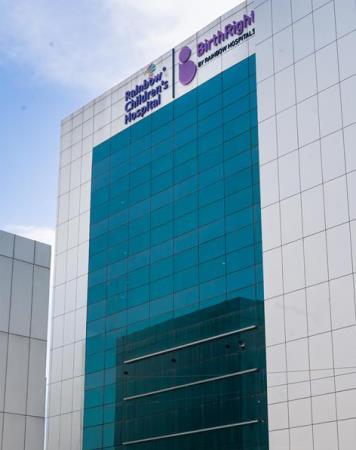

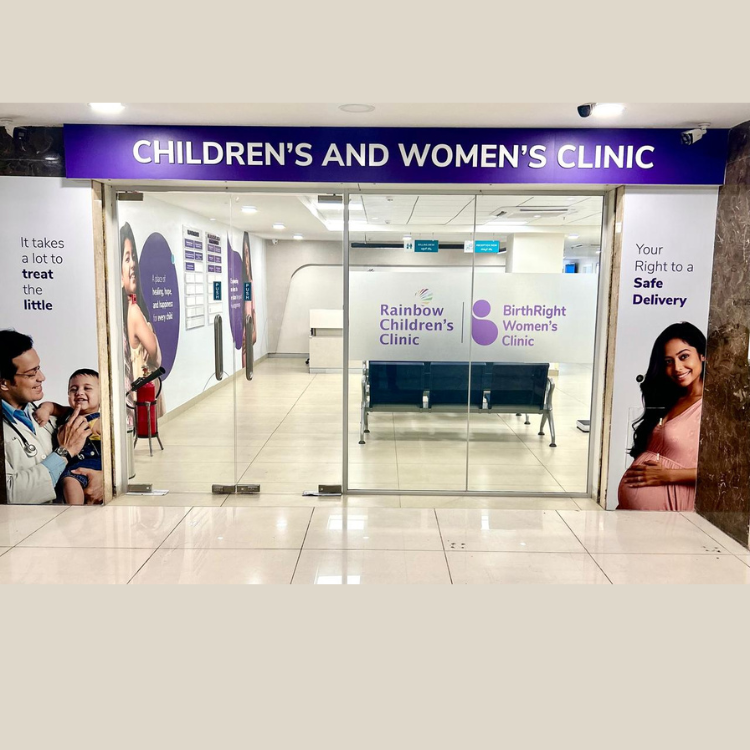


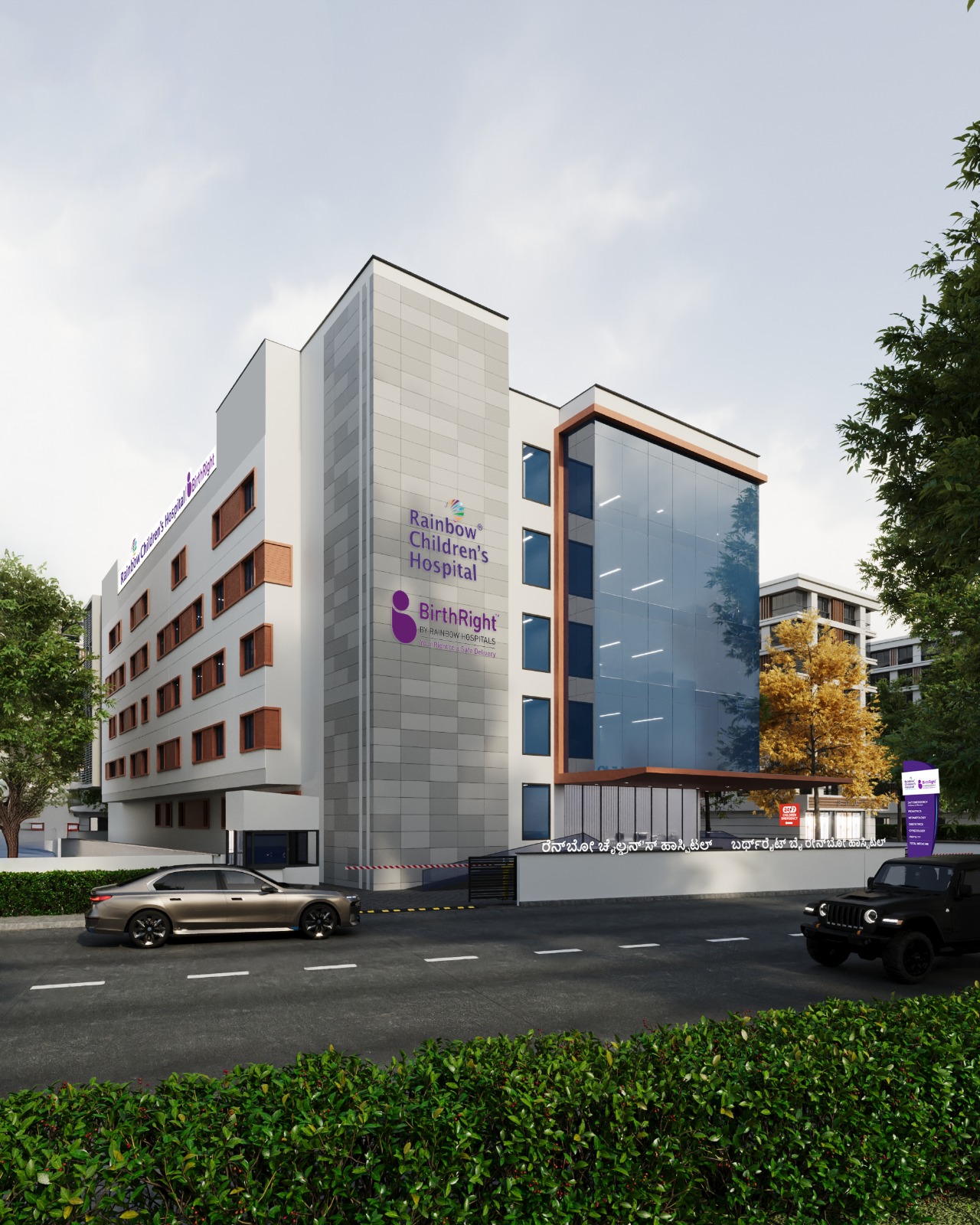
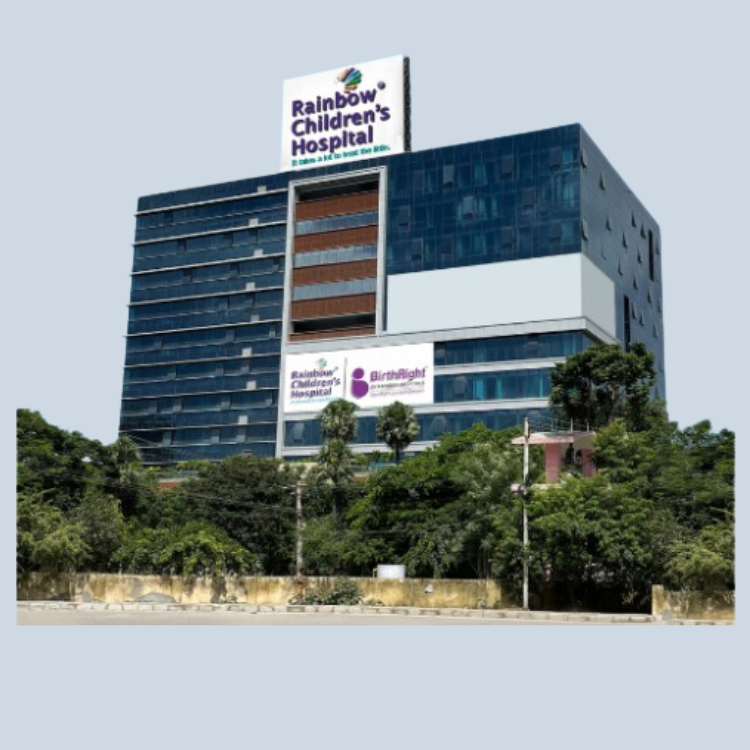





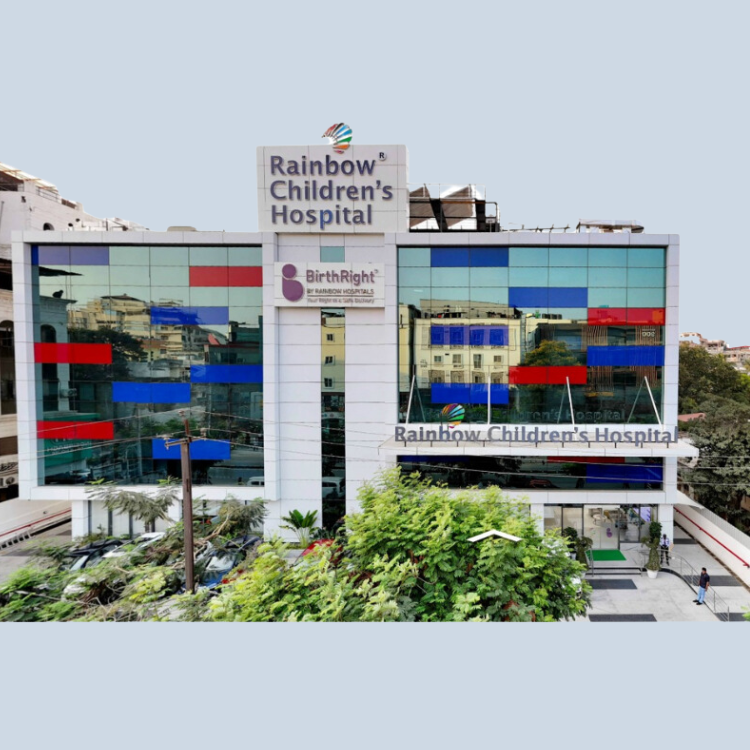
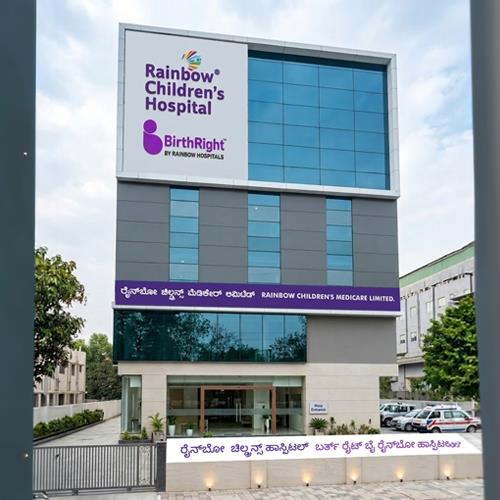


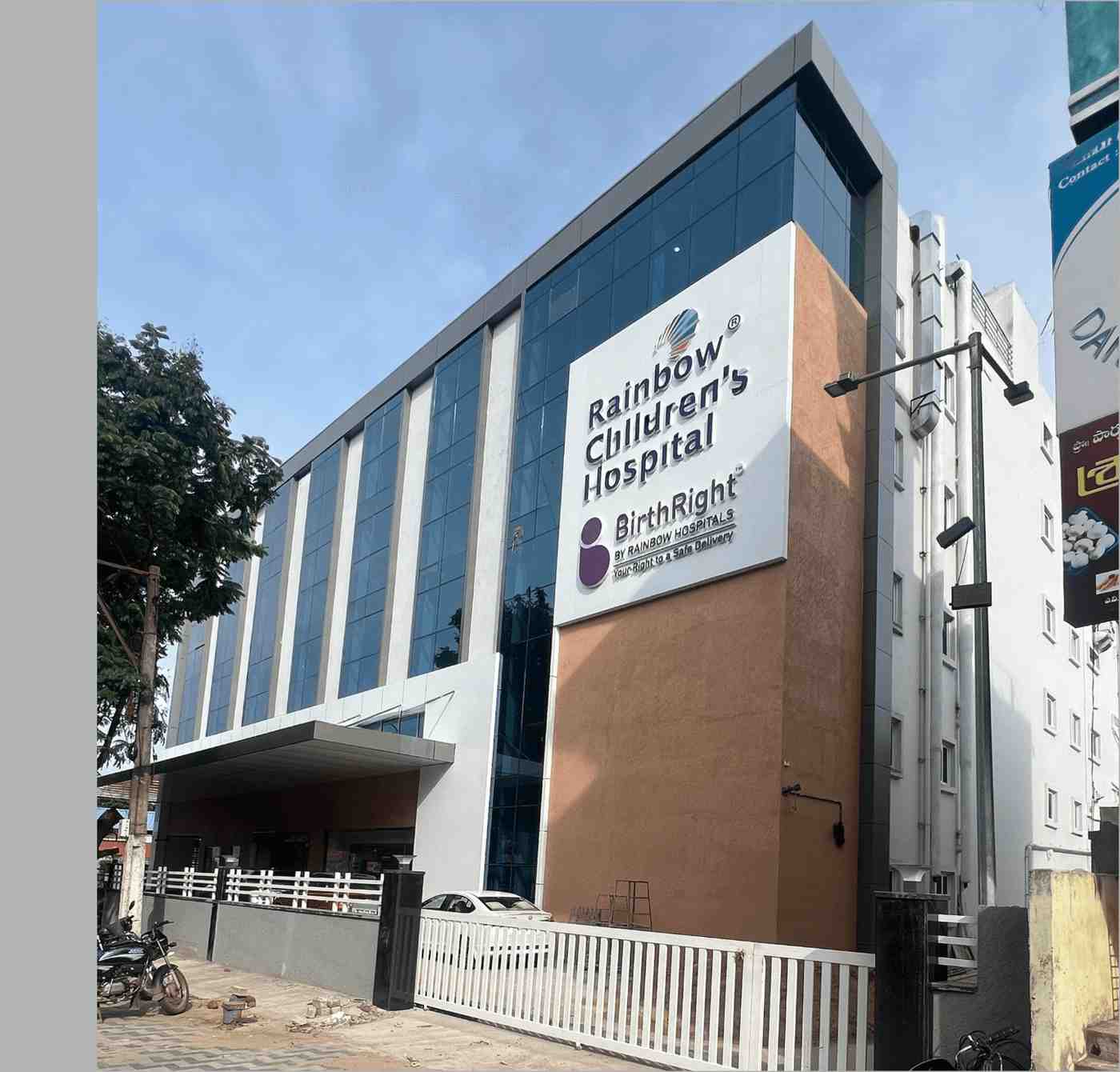
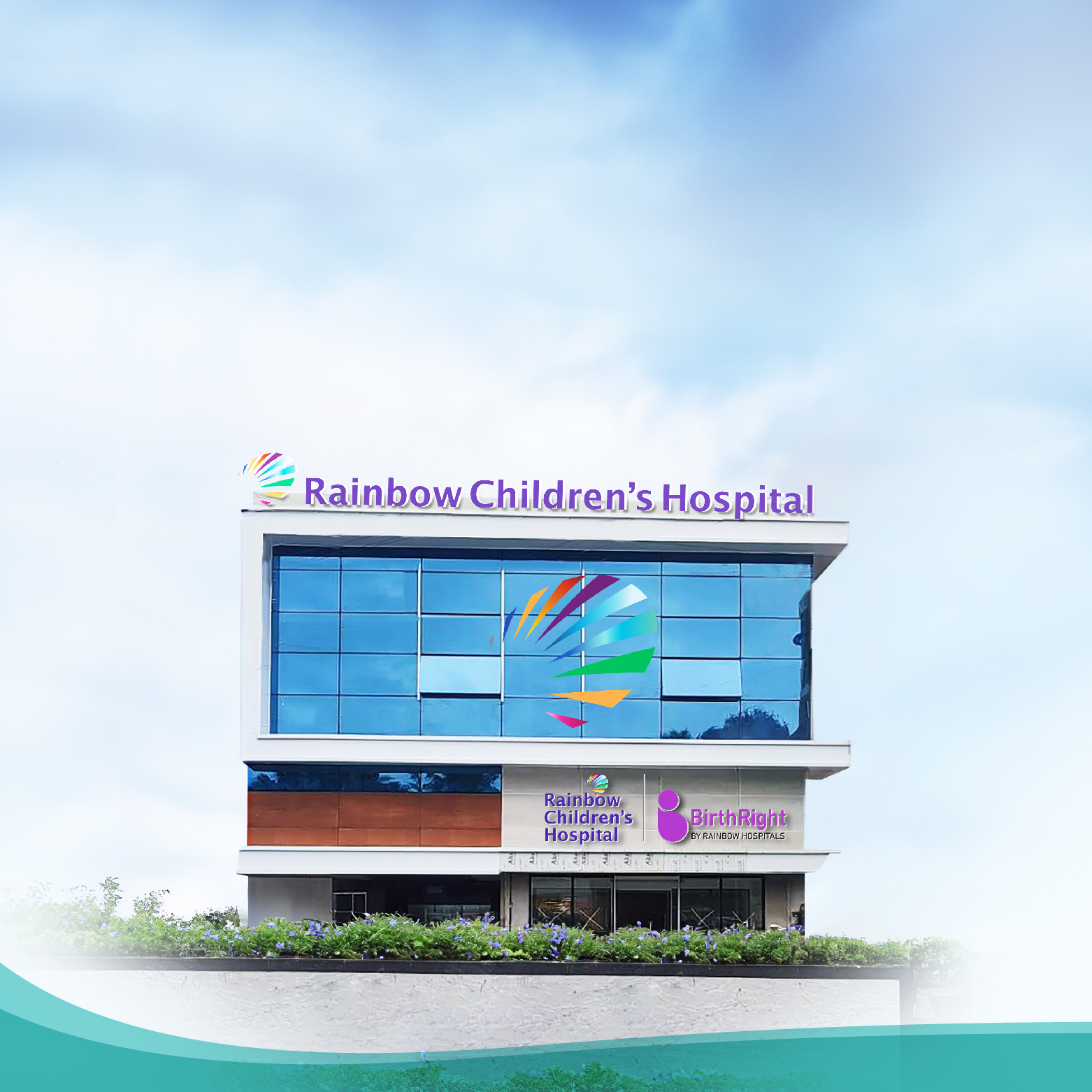

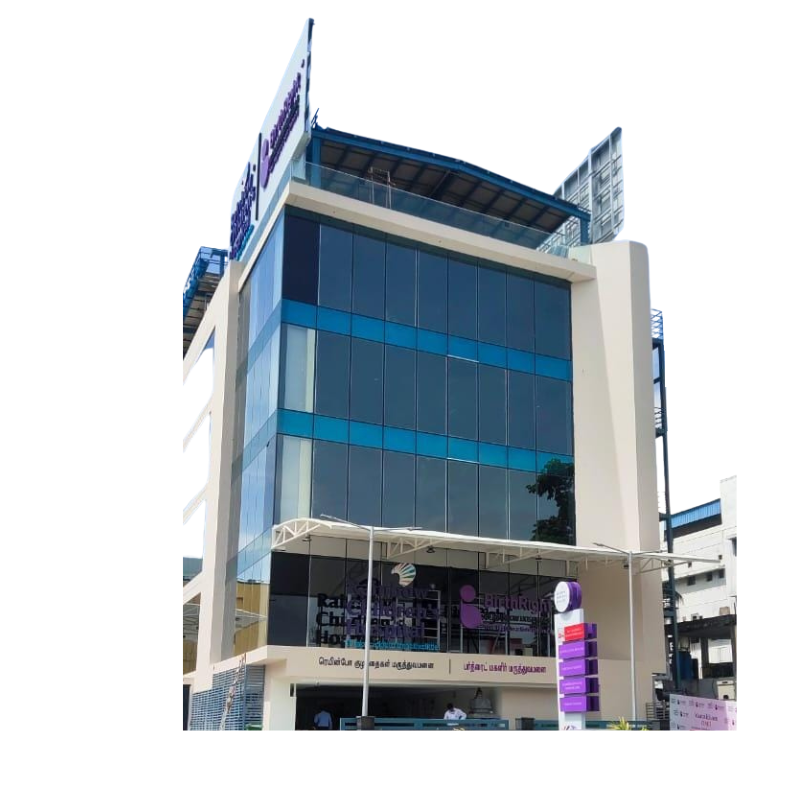
chennai
Request a Call back
Tap to Fill FormRequest a Call back
Blogs
Discover our most recent health articles provided by our reliable experts.


What Are People Saying About Us
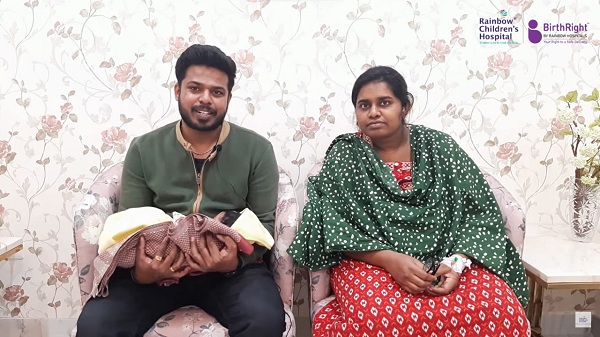
Embark on a journey of inspiration and hope with our patient success stories, complemented by informative videos from our dedicated doctors.




Media
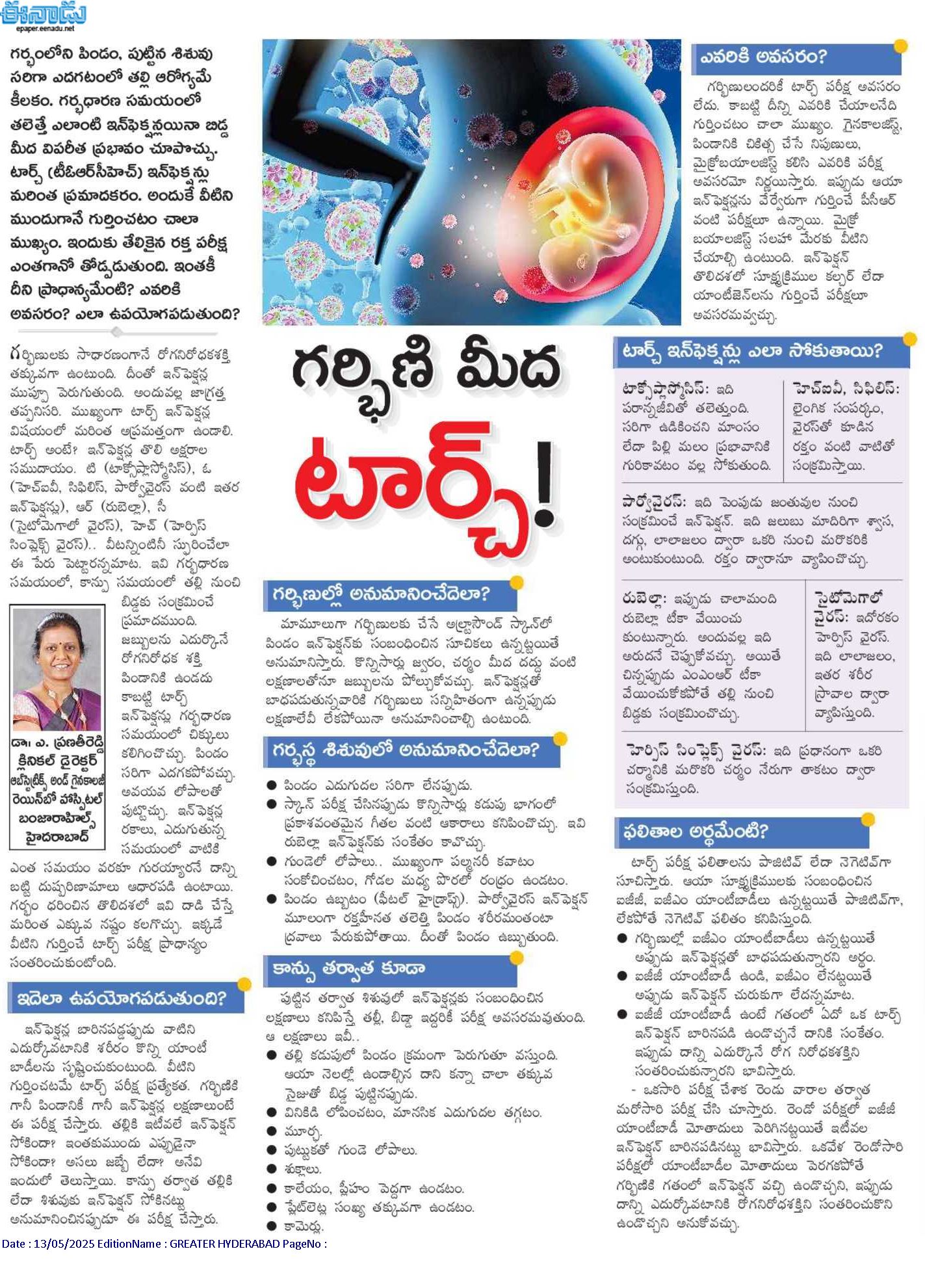 Torch in Pregnancy Women - Dr.Pranathi reddy
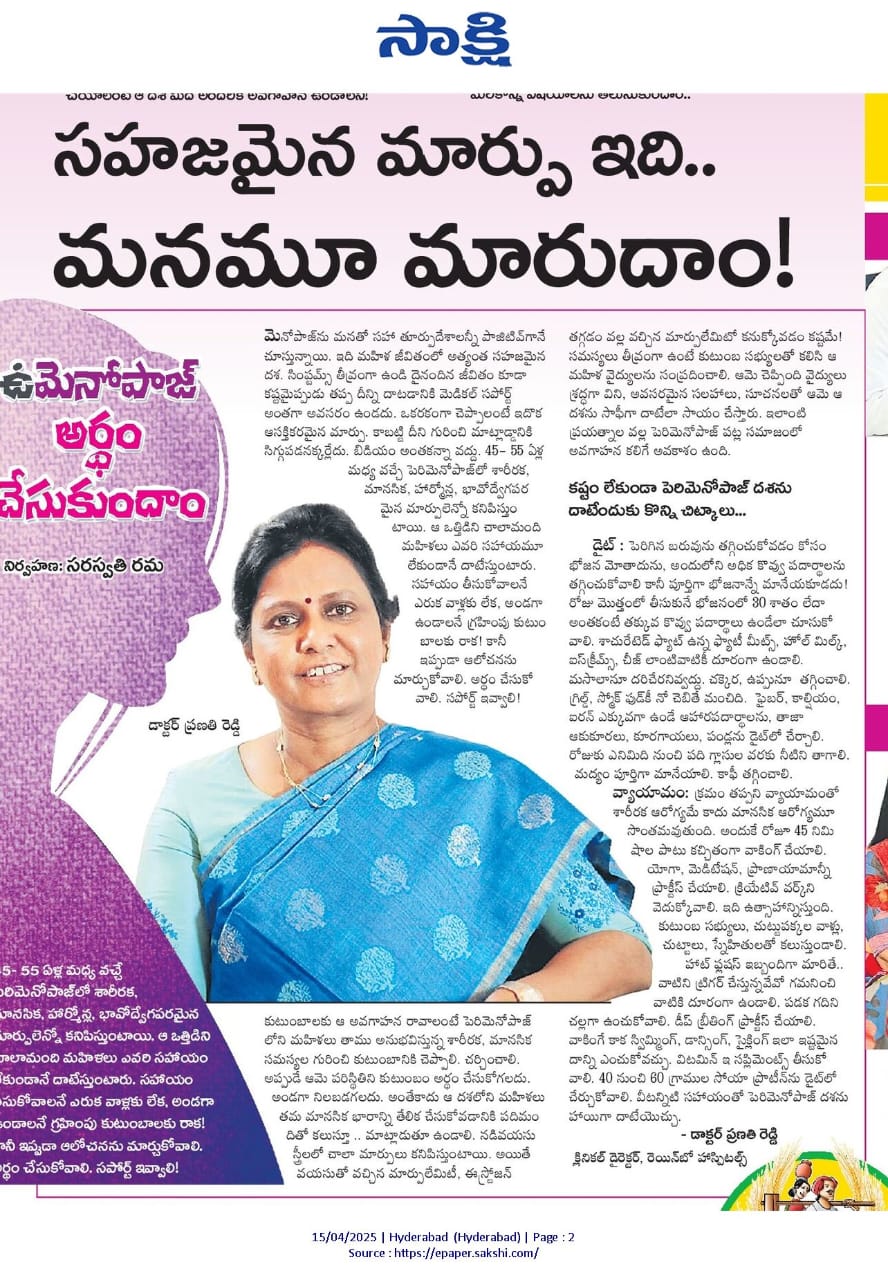 Let's Understand the Meaning of Menopause - Dr.Pranathi reddy
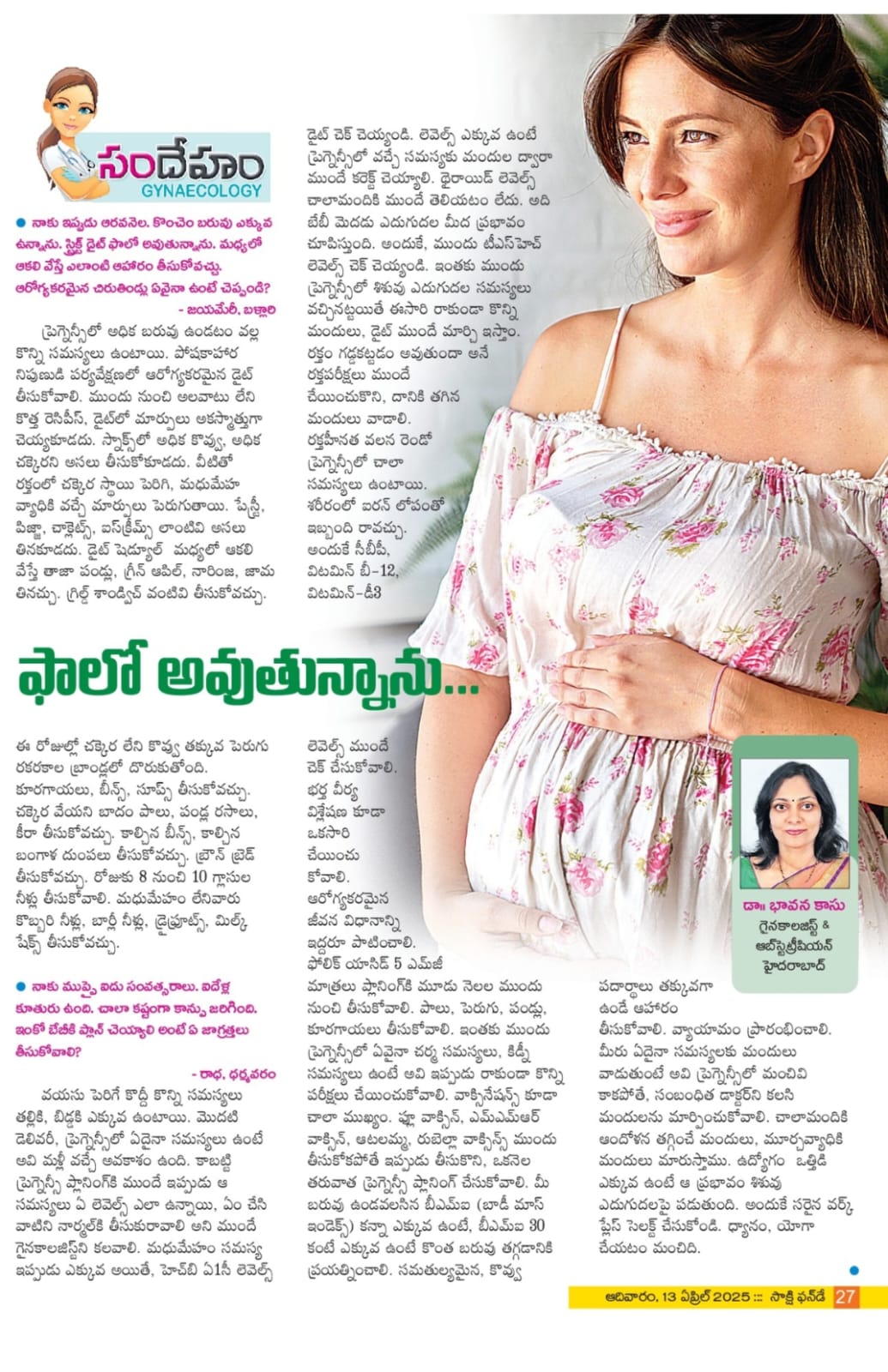 Follicular growth and ovulation in women trying to conceive - Dr.Bhavana Sasu
 World Health Day 2025- Dr.Saroja
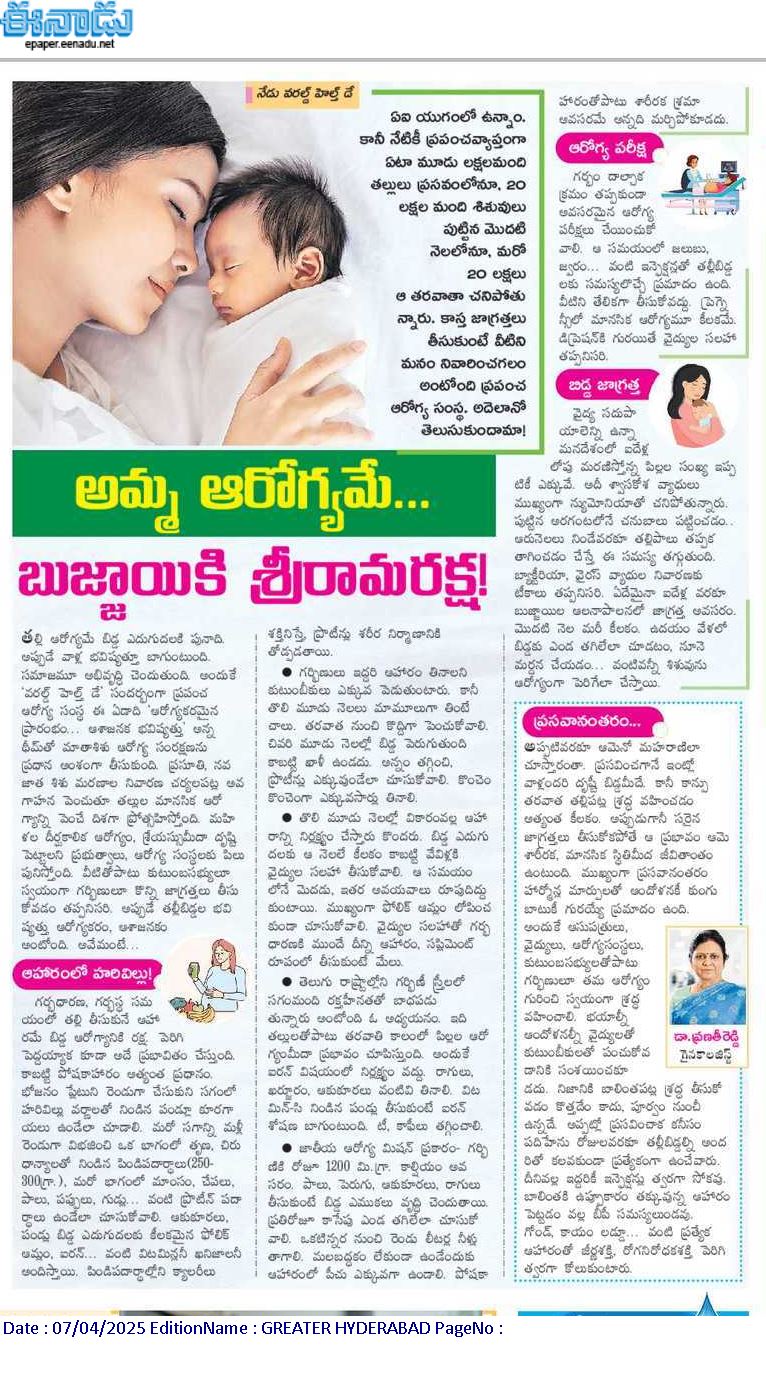 Mother and baby healthy tips- Dr. Pranathi Reddy
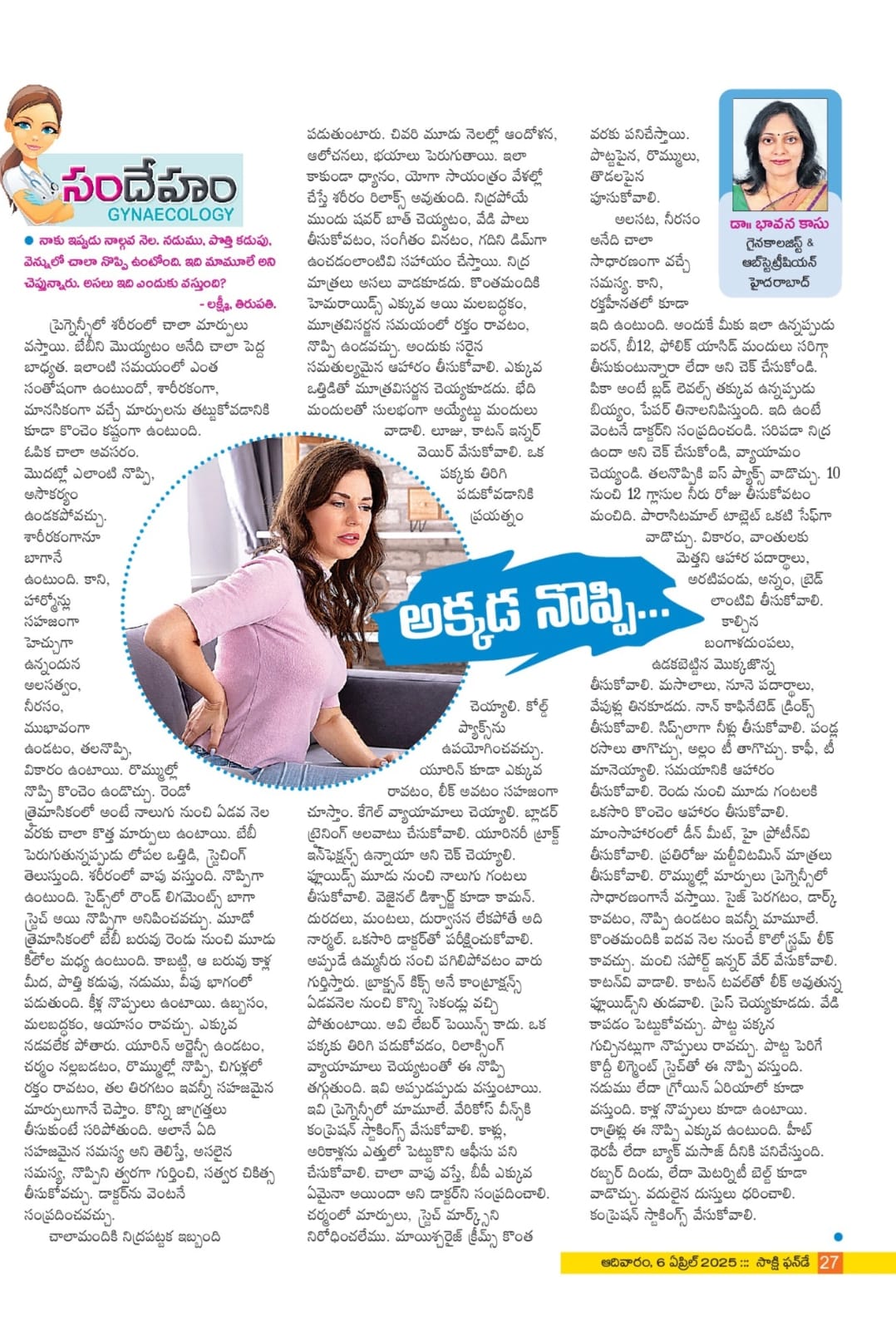 Stomach pain tips- Dr. Bhavana Kasu
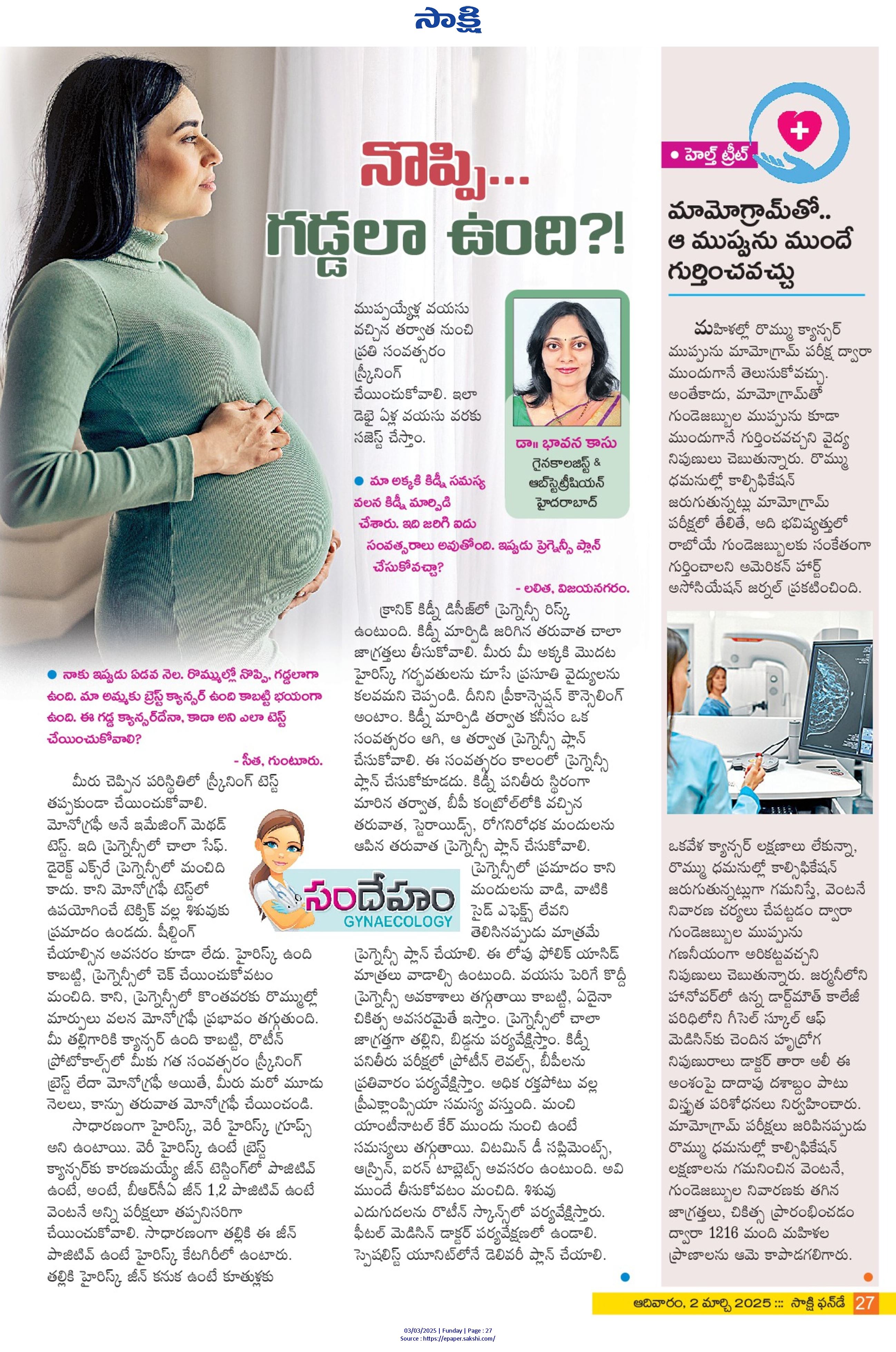 Dr.Bhavana Kasu Counselling Column
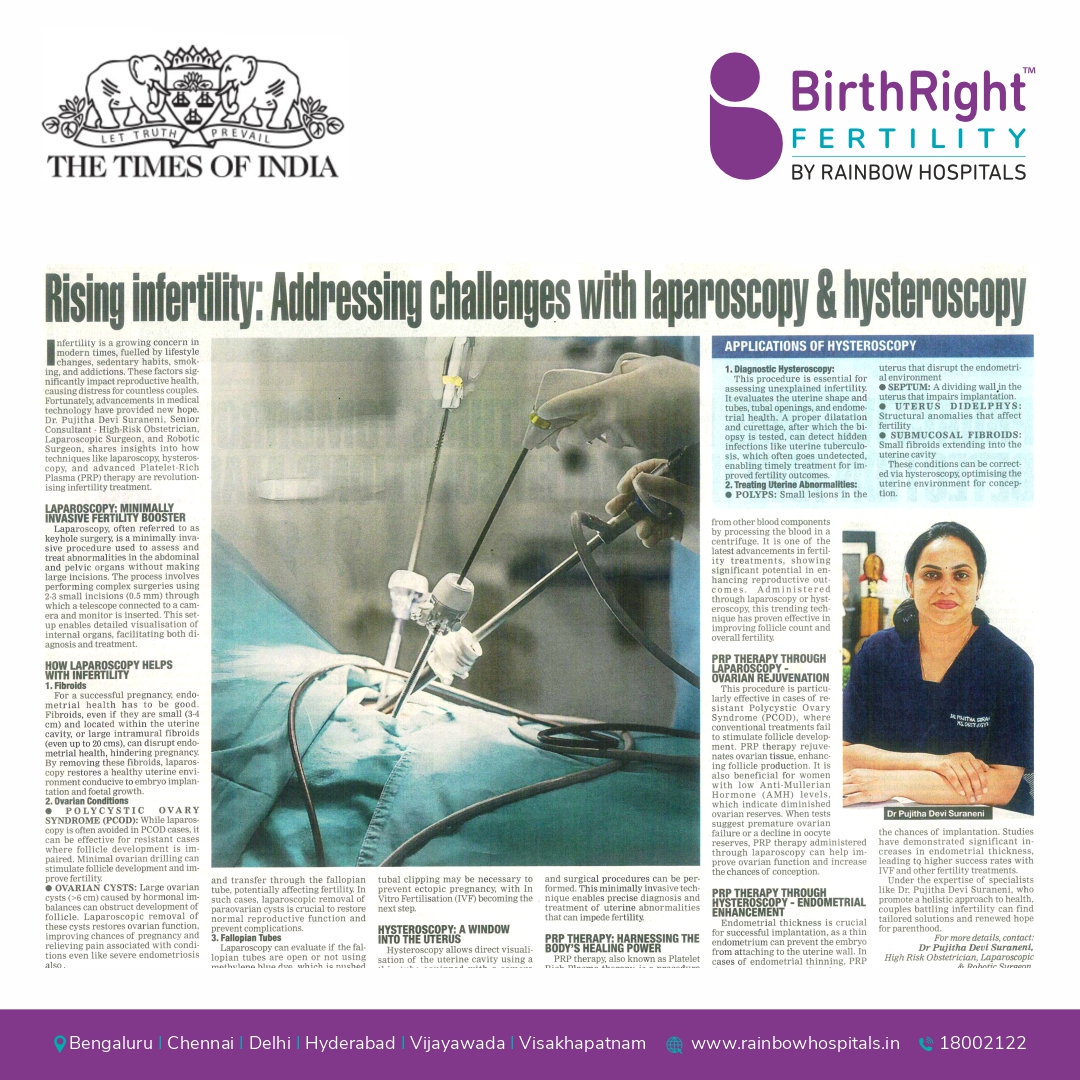 Rising infertility: Addressing Challenges with Laparoscopy & Hysteroscopy
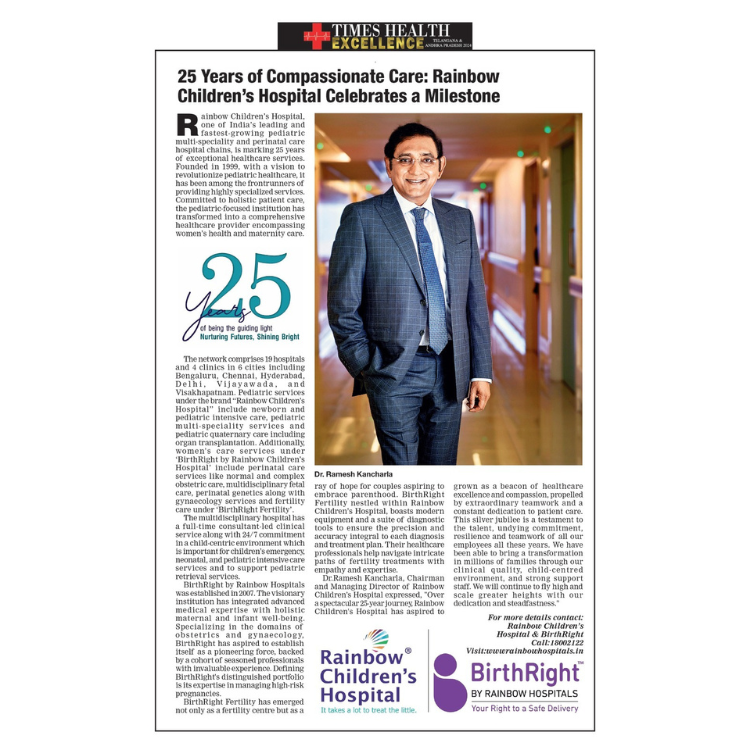 25 Years of Compassionate Care
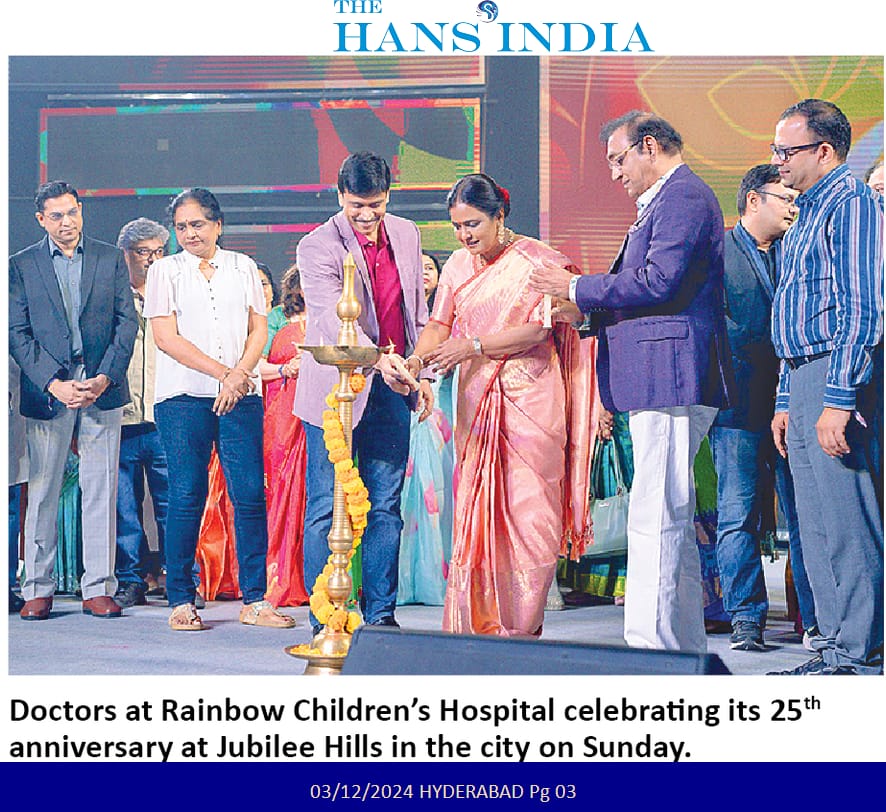 25 Years of Anniversary - Rainbow Children's Hospital & BirthRight
 SUCCESSFUL NORMAL DELIVERY DESPITE PREGNANT WOMAN'S ANKLE FRACTURE
Torch in Pregnancy Women - Dr.Pranathi reddy
Let's Understand the Meaning of Menopause - Dr.Pranathi reddy
Follicular growth and ovulation in women trying to conceive - Dr.Bhavana Sasu
World Health Day 2025- Dr.Saroja
Mother and baby healthy tips- Dr. Pranathi Reddy
Stomach pain tips- Dr. Bhavana Kasu
Dr.Bhavana Kasu Counselling Column
Rising infertility: Addressing Challenges with Laparoscopy & Hysteroscopy
25 Years of Compassionate Care
25 Years of Anniversary - Rainbow Children's Hospital & BirthRight
SUCCESSFUL NORMAL DELIVERY DESPITE PREGNANT WOMAN'S ANKLE FRACTURE
SUCCESSFUL NORMAL DELIVERY DESPITE PREGNANT WOMAN'S ANKLE FRACTURE
Torch in Pregnancy Women - Dr.Pranathi reddy
Let's Understand the Meaning of Menopause - Dr.Pranathi reddy
Follicular growth and ovulation in women trying to conceive - Dr.Bhavana Sasu
World Health Day 2025- Dr.Saroja
Mother and baby healthy tips- Dr. Pranathi Reddy
Stomach pain tips- Dr. Bhavana Kasu
Dr.Bhavana Kasu Counselling Column
Rising infertility: Addressing Challenges with Laparoscopy & Hysteroscopy
25 Years of Compassionate Care
25 Years of Anniversary - Rainbow Children's Hospital & BirthRight
SUCCESSFUL NORMAL DELIVERY DESPITE PREGNANT WOMAN'S ANKLE FRACTURE
FAQs
What tests/vaccinations do I have to have before getting pregnant?
Your doctor will ask you to do some blood tests that you should do to rule out any future problems that may present themselves. For example, if you are not carrying the antibodies to Rubella (German measles), then you can correct that because once you are pregnant, there’s nothing you can do about it. Also vaccinations for Hepatitis B, Chicken pox, Influenza and even H1N1 can be given if you already haven’t got those. Checks for the thalassemia genes are also essential since if both of you carry the genes, and then the baby has a high chance of having it. That’s something you may want to think about before conceiving. Other routine tests are for HIV, sexually transmitted diseases, hemoglobin, thyroid, Rh factor and other routine tests. Although most of these are uncommon, they are better off ruled out earlier rather than later. All it involves is making one visit to the doctor.
I am 10 kilos over my ideal weight. I want to have a baby so should I just put off weight loosing plans and go through pregnancy and then try and lose the extra weight after my baby is born?
Now that you’re planning the pregnancy, you should definitely lose the weight before. Even though that may sound really difficult and a bit pointless since you will put the weight back on, trust us, it’s worth the effort. Secondly, keep in mind that you will put on around 10-12 kilos through your pregnancy, although figures vary for different women. Some end up putting on 20; some lesser than 10. It’s always better to be in good shape before you conceive, so that you don’t go overweight in your pregnancy. Also once you have a good exercise regime, you can continue to exercise (not strenuously) during your pregnancy – definitely a healthy option for both mother and child. And think about the advantages to your own body. After the delivery, it’ll be easier to lose the flab.
If I’m on the pill then how long do I have to wait before trying to conceive? After a miscarriage?
Before trying to get pregnant, you have to understand how the pill works on your body. Hormones in the pill prevent the release of your egg. So it’s best to get off the pill for about four to five months before you start trying for a baby and let your cycle get re-establish, lest you end up with quadruplets! Also no need for worry because for those women who go off the pill, fertility rates after the right amount of waiting are the same as for women who have never been on the pill. After a miscarriage, most physicians advise a wait of two to three months for the body to heal and become strong enough for another pregnancy. Conceiving too soon may lead to another miscarriage since you’re system is still recovering from the last one. So wait for a few months, eat well, get stronger, and when you feel good enough to try, then go ahead.
What is the right time in the month to conceive a baby? Do I have to keep track of ovulations? Do ovulations sticks work?
The most fertile time for women to conceive is around the days they are ovulating. Doctors recommend intercourse every second day while you’re ovulating. Normally this happens on day 14 of your menstrual cycle which begins on the first day of your periods. If you have regular periods (that is a 28 day cycle usually) with the predictable amount of flow, then you’re ovulating normally, so keep track of when day 14 is. If there’s no fertilization, then your periods will start 14 days after you ovulate. If you have a longer cycle, say a 34 day cycle, then ovulation won’t happen till 20, again 14 days before the start of you next period. Complicated? Not so much. Just keep track of your cycle for a few months and you’ll eventually figure out when you’re ovulating. Another way to identify when you're ovulating is by keeping track of any changes to your vaginal secretions which usually become wetter, thinner and clearer. Also your vagina and vulva will feel wet. By monitoring these changes, you may be able to estimate when you are ovulating. But it’s tough to be sure, so don’t worry about it too much. You could also use an Ovulation Predictor Kit or Ovulation Sticks, which predict the onset of ovulation by checking your urine, and are usually quite reliable. But if your periods are irregular you may end up going through a lot of these sticks!
What is a preconception checkup and why is it important?
A preconception checkup is a medical evaluation conducted before attempting pregnancy to identify and address any underlying health conditions that could affect the mother or unborn child. It typically includes a review of medical history, vaccination status, chronic illness screening, and blood tests. Getting a preconception checkup helps reduce the risk of pregnancy complications, birth defects, and maternal health issues - making it one of the most important steps in family planning.
What provider do you see for a preconception checkup?
A preconception checkup is typically conducted by a gynaecologist, obstetrician, or infertility specialist. At BirthRight by Rainbow Hospitals, specialist consultants offer dedicated preconception counselling sessions to assess your health, review your medical history, and recommend any necessary tests or lifestyle changes before conception.
If I don’t conceive after many months of trying, do I need to see a fertility expert or get tests done?
You’ll be surprised to learn that trying for up to two years can be considered normal before conception. All couples have different results and there’s no real ‘normal’ figure. So don’t worry about it because the more you worry, the more hyper you are, and the lesser chances of your body being relaxed enough to get pregnant. Just try and keep track of your ovulations dates so that you can have sex at the right time.\r\n\r\nSo if after one year you’re getting nowhere, then it’s a good idea to go and see a doctor or perhaps an expert to find out if there is something wrong or if there’s something you can do that will help you conceive. Sometimes it’s a minor problem that can be corrected with medication.
What happens at a preconception checkup?
A preconception checkup at BirthRight typically includes:
Blood tests (haemoglobin, thyroid, Rh factor, HIV, STD panel, thalassemia gene screening)
Urine test
Blood pressure measurement
Ultrasound (where indicated)
Pap smear and pelvic examination
Weight assessment
Psychological evaluation (where applicable)
Preconception counselling session with a specialist
I smoke and am planning to quit before I start trying for a baby. My question is how long a gap should there be between giving up smoking and trying to get pregnant?
Stop smoking the moment you decide you want to have a baby. Waiting for at least one month before you start to try for a baby is a good idea since the nicotine should be completely out of your system when you get pregnant in order to avoid any adverse effects on the baby.\r\n\r\nSmoking can reduce your chances to get pregnant by up to 40%. Compared to non-smokers, women who smoke usually have to wait almost two months longer until they successfully conceive. Even a few cigarettes a day can delay a successful conception, so stop right away
What tests can you get before pregnancy to help you find out about genetic conditions that may affect your baby?
Screening procedures including cell-free DNA testing, maternal blood screening, diagnostic tests can all help detect any genetic conditions that may affect the baby. BirthRight by Rainbow Hospitals offers pre pregnancy medical checkups and preconception checkups in India.
If I’m over 35 will my age affect my chances of getting pregnant?
Although pregnancy is safe after the age of 35, your age is likely to reduce your fertility. After the age of 35 there is a decrease in the number and the health of the eggs to be ovulated. Also changes your hormones can alter ovulation.\r\n\r\nLesser frequency of intercourse and other problems like endometriosis and ovarian cysts may interfere with conception.\r\n\r\nThis is not to say that women over 35 have difficulty in conceiving. You may have to try for a longer period of time and be prepared for a higher than average risk of having a miscarriage (which is associated with women over 35) by being extra careful.\r\n\r\nAnd that’s the big advantage of planning. You get to avoid the risks and prepare for what you know is the best and the safest way for you to have a nice healthy pregnancy and an equally healthy baby. So the next time you have any questions, don’t hesitate to ask your doctor. A few precautions can go a long long way. Happy pregnancy to you! :12929, 3,, 15 Merriweather
Is BirthRight by Rainbow Hospitals good for high-risk pregnancies?
Yes. BirthRight by Rainbow Hospitals has dedicated high-risk obstetric units staffed by experienced maternal-foetal medicine specialists. The hospital manages conditions including gestational diabetes, hypertension during pregnancy, multiple pregnancies, preeclampsia, and pregnancies with foetal abnormalities detected on screening.
Which cities have BirthRight pregnancy care centres?
BirthRight by Rainbow Hospitals has pregnancy care centres in Hyderabad, Bengaluru, Delhi, Chennai, Vijayawada, Visakhapatnam, Warangal, Guwahati, and Rajahmundry. Each city has multiple clinic and hospital locations for convenient access.
What is the difference between a preconception checkup and an antenatal (prenatal) checkup?
A preconception checkup is done before you become pregnant to assess your health and reduce risks to a future pregnancy. An antenatal or prenatal checkup is done during pregnancy to monitor the health of both the mother and the developing baby. BirthRight by Rainbow Hospitals offers both as part of its full-spectrum pregnancy care programme.
How early should I book my first pregnancy care appointment?
Ideally, you should schedule a preconception consultation at least three to six months before you plan to try for a baby. This allows enough time to complete any required vaccinations, address nutritional deficiencies, manage weight, and receive genetic counselling if needed.
Quick Links
- Best Prenatal Checkup Doctors In Hyderabad
- Best Prenatal Checkup Doctors In Bangalore
- Best Prenatal Checkup Doctors In Delhi
- Best Prenatal Checkup Doctors In Chennai
- Best Prenatal Checkup Doctors In Vijayawada
- Best Prenatal Checkup Doctors In Vizag
- Best Prenatal Checkup Doctors In Kondapur
- Best Prenatal Checkup Doctors In Hyder Nagar
- Best Prenatal Checkup Doctors In Secunderabad
- Best Prenatal Checkup Doctors In Lb Nagar
- Best Prenatal Checkup Doctors In Marathahalli
- Best Prenatal Checkup Doctors In Bannerghatta
- Best Prenatal Checkup Doctors In Hebbal
- Best Prenatal Checkup Doctors In Currency Nagar
- Best Prenatal Checkup Doctors In Governerpet
- Best Prenatal Checkup Doctors In Health City
- Best Prenatal Checkup Doctors In Kailash Metta
- Best Prenatal Checkup Doctors In Banjarahills
- Top Prenatal Checkup Doctors in India
- Prenatal Checkup Doctors near me in Lb Nagar
- Prenatal Checkup Doctors near me in Banjarahills
- Prenatal Checkup Doctors near me in Kondapur
- Prenatal Checkup Doctors near me in Hyder Nagar
- Top Prenatal Checkup Doctors In Kondapur
- Prenatal Checkup Doctors near me in Secunderabad
- Best Pre-Pregnancy Health Checkup in Sarjapur Road, Bengaluru
- Best Pre-Pregnancy Health Checkup in Anna Nagar, Chennai
- Antenatal check up in Anna Nagar
- Antenatal check up in Anna Nagar