




Categories
Recognizing Pediatric Emergencies: A Guide for Parents
Jan 18, 2025
Common Pediatric
Emergencies:
Children may experience various emergencies, including:
- Breathing difficulties or respiratory problems: These can arise from infections, asthma, or foreign objects
obstructing the airway
- Abnormal movements or fits: Sudden,
uncontrollable shaking or stiffness that may indicate a serious underlying
condition
- Trauma: Injuries resulting from accidents or falls
- Dehydration: Often due to vomiting, diarrhea, or refusal
to eat or drink
- Severe infections
Key Danger Signs to
Watch for:
Recognizing the early signs of a medical emergency can save your child’s
life. Seek immediate medical care if you observe any of the following:
- Breathing problems
- Difficulty breathing
- Fast breathing
- Noisy breathing
- Changes in behavior
· Extreme
drowsiness or unresponsiveness
· Persistent
irritability or inconsolable crying
- Feeding and hydration issues
- Refusal to feed or drink for more than 8 to 12 hours
- Not passing urine for more than 8 to 12 hours
- Cold or Discolored skin
- Cold hands and feet
- Pale or bluish skin, lips, or tongue
What to do in an
Emergency?
If you notice any of these danger signs, do not delay. Take your child
to the emergency department of a children’s hospital immediately. Early
intervention is critical in managing life-threatening conditions effectively.
Our 24/7 Consultant Led Advanced Pediatric Emergency Services are always prepared to handle any health emergency your child may face!
Related BlogView More

UTIs in Children: Symptoms, Causes, Treatment, and Prevention Guide
Urinary Tract Infections (UTIs) can be uncomfortable and distressing for children, especially when symptoms are difficult for them to explain. UTIs in children are relatively common and may affect the bladder, urethra, or kidneys. Early diagnosis and treatment are important

Otosclerosis in Kids: Causes, Symptoms and Treatment Explained
Otosclerosis is a condition that affects hearing due to abnormal bone growth in the middle ear. Although it is more commonly seen in adults, in rare cases it can also affect children, leading to gradual hearing difficulties. Early recognition of otosclerosis symptoms is important

Vitamin D Deficiency in Kids: Signs, Risks, and Solutions
Vitamin D deficiency in kids is becoming increasingly common due to reduced outdoor activity, limited sun exposure, and dietary gaps in growing children. This essential nutrient plays a key role in bone strength, muscle development, and immunity. When levels are low, children
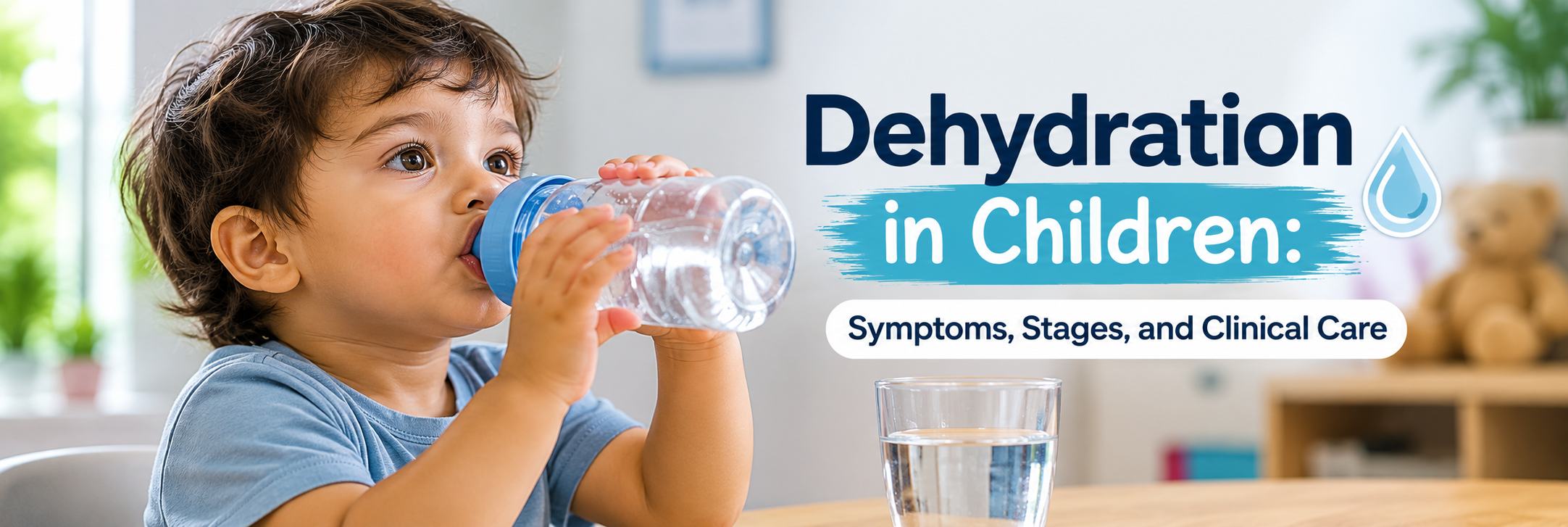
Dehydration in Children: Symptoms, Stages, and Clinical Care
Dehydration in children can be worrying for parents, especially when symptoms appear suddenly during illness. It happens when a child loses more fluids than they take in, commonly due to fever, vomiting, or diarrhoea. Early signs may include thirst, dry mouth, reduced urine, and