




Categories
The Role of Scheduled Vaccination in Preventing Serious Diseases
Jul 21, 2026
Importance of Scheduled Vaccinations
As parents, keeping children healthy and protected is always a top priority. While good nutrition, hygiene, and regular health check-ups play an important role in overall well-being, scheduled vaccination remains one of the most effective ways to protect children from serious and potentially life-threatening diseases. Following the recommended childhood vaccination schedule in India helps ensure children receive protection at the right time, when they need it most.From birth, infants are especially vulnerable to infections. Although antibodies passed from the mother during pregnancy and through breast milk provide some early protection, this natural immunity gradually fades within the first few months of life. As babies begin exploring their surroundings, they are exposed to more germs and infections, making timely vaccination essential for protecting them from serious diseases.
Scheduled vaccinations help children build their own immunity before they encounter potentially harmful infections. They provide protection against diseases such as measles, polio, whooping cough, hepatitis B, and other vaccine-preventable diseases that can cause severe complications, hospitalization, or even death.
The benefits of vaccination extend beyond individual protection. When more people in a community are vaccinated, the spread of infectious diseases is significantly reduced. This creates herd immunity, helping protect vulnerable individuals such as newborns, and those with weakened immune systems who may not be able to receive certain vaccines.
Simply put, staying on schedule with vaccinations is one of the safest and most effective ways to give children a healthy start in life while helping build a healthier community for everyone.
How Scheduled Vaccination Protects Children from Serious Diseases
Vaccines work by training the immune system to recognize and fight harmful bacteria and viruses. By stimulating the body's natural defenses, vaccines prepare the immune system to respond quickly and effectively when exposed to disease-causing organisms.This protection helps prevent serious illness, reduces disease transmission, and contributes to long-term community health. A well-planned immunization schedule for children ensures that vaccines are administered when they offer the greatest protection against vaccine-preventable diseases.
While a vaccine may involve a brief needle prick, the protection it provides can last for years and, in some cases, a lifetime. Routine childhood immunization has helped significantly reduce the burden of many infectious diseases worldwide, saving millions of lives each year.
Tackling Concerns and Myths about Vaccination
Many parents have questions about vaccine safety or may come across misinformation about immunization. It is important to know that vaccines undergo extensive research, rigorous clinical testing, and continuous safety monitoring before and after approval.Global health organizations and pediatric experts consistently affirm that vaccines are among the safest and most effective tools in preventive healthcare. Mild side effects such as temporary soreness, redness, or low-grade fever are common and usually resolve quickly.
Understanding the benefits of timely childhood vaccination can help parents make informed decisions and ensure their children remain protected against preventable illnesses.
Protecting Future Generations through Scheduled Vaccination
Scheduled vaccination is not simply a checklist, it remains one of the most effective ways to protect children from vaccine-preventable diseases. By following the recommended childhood vaccination schedule, they can safeguard their children's health, reduce the risk of serious infections, and contribute to stronger community protection through herd immunity.Every vaccine appointment is an investment in a child's future health and well-being. Staying on schedule remains one of the simplest and most effective ways to protect children from preventable diseases and support a safer, healthier future for everyone.
Stay informed, consult your pediatrician, and ensure your child receives vaccinations on time—one of the most important steps in protecting lifelong health.
View the recommended childhood vaccination chart.
Frequently asked questions
Why is it important to vaccinate my child on schedule?
What is the recommended vaccination schedule for children in India?
What are vaccine-preventable diseases?
What happens if my child misses a scheduled vaccine?
Are vaccines safe for babies and young children?
Why do babies need so many vaccines in the first few years of life?
How does vaccinating my child help protect others?
Can vaccines prevent serious childhood diseases?
Is it safe to delay childhood vaccinations?
Where can I find the childhood vaccination schedule in India?
How often should my child visit a pediatrician for vaccinations?
Related BlogView More
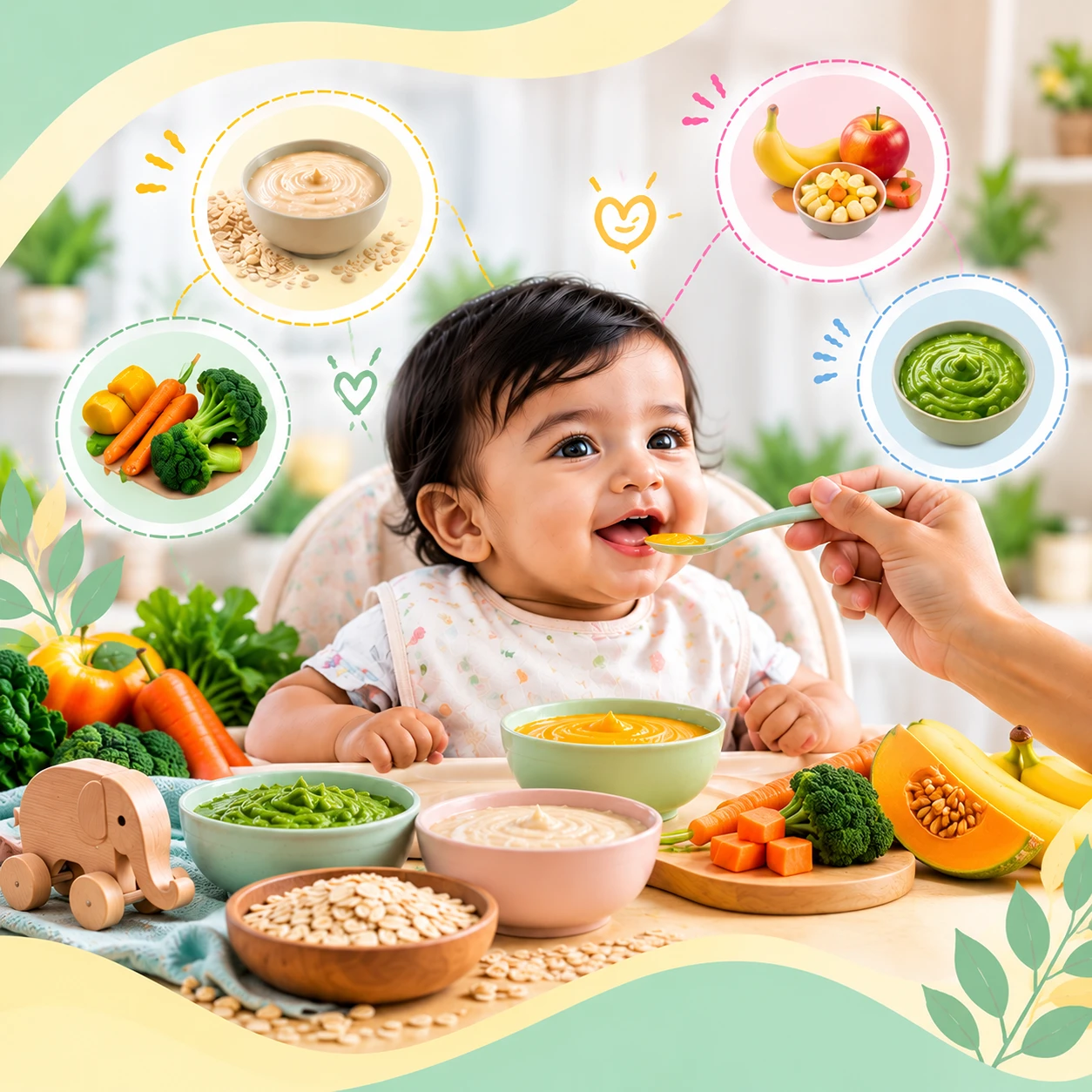
Indian Baby Food Chart: Ultimate Guide for 0 to 12 Months
Feeding your baby through the first year raises many questions. A clear Indian Baby Food Chart helps you plan meals with confidence and familiar foods. This guide covers each stage, from breast milk in the early months to family food by the first birthday. Every baby is different

Hip Pain in Children: Causes, Symptoms & Treatment
Hip Pain in Children: Causes, Symptoms & When to See a Specialist When most people think of hip problems, they picture an elderly relative or acquaintance recovering from a hip replacement. Few realize that most hip problems in children start de
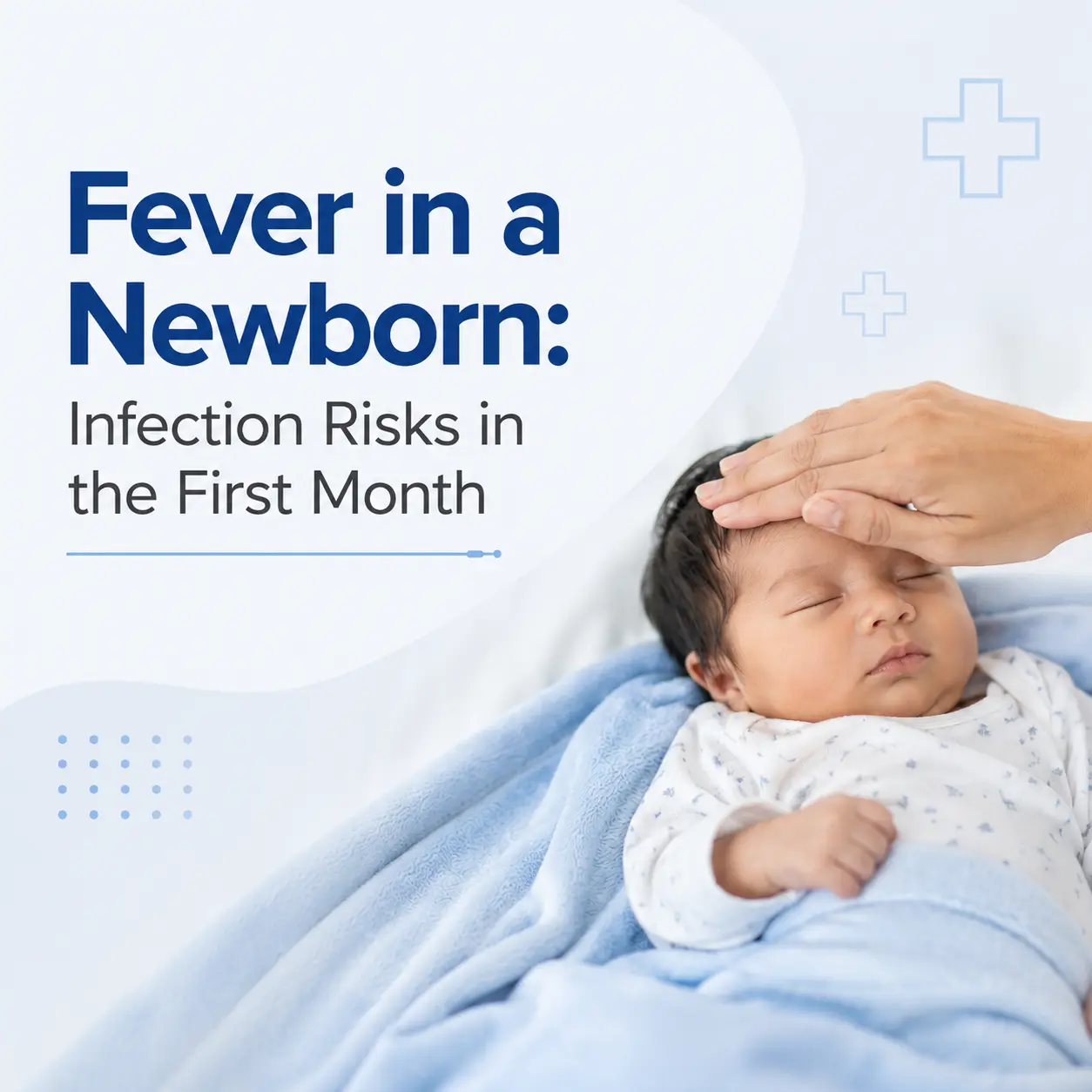
Fever in a Newborn: Infection Risks in the First Month
A parent of a two-week-old baby notices that the baby feels warmer than usual and is feeding less than normal. A temperature check shows 38°C (100.4°F). At this age, it is reasonable to wonder whether the baby is simply too warm or whethe
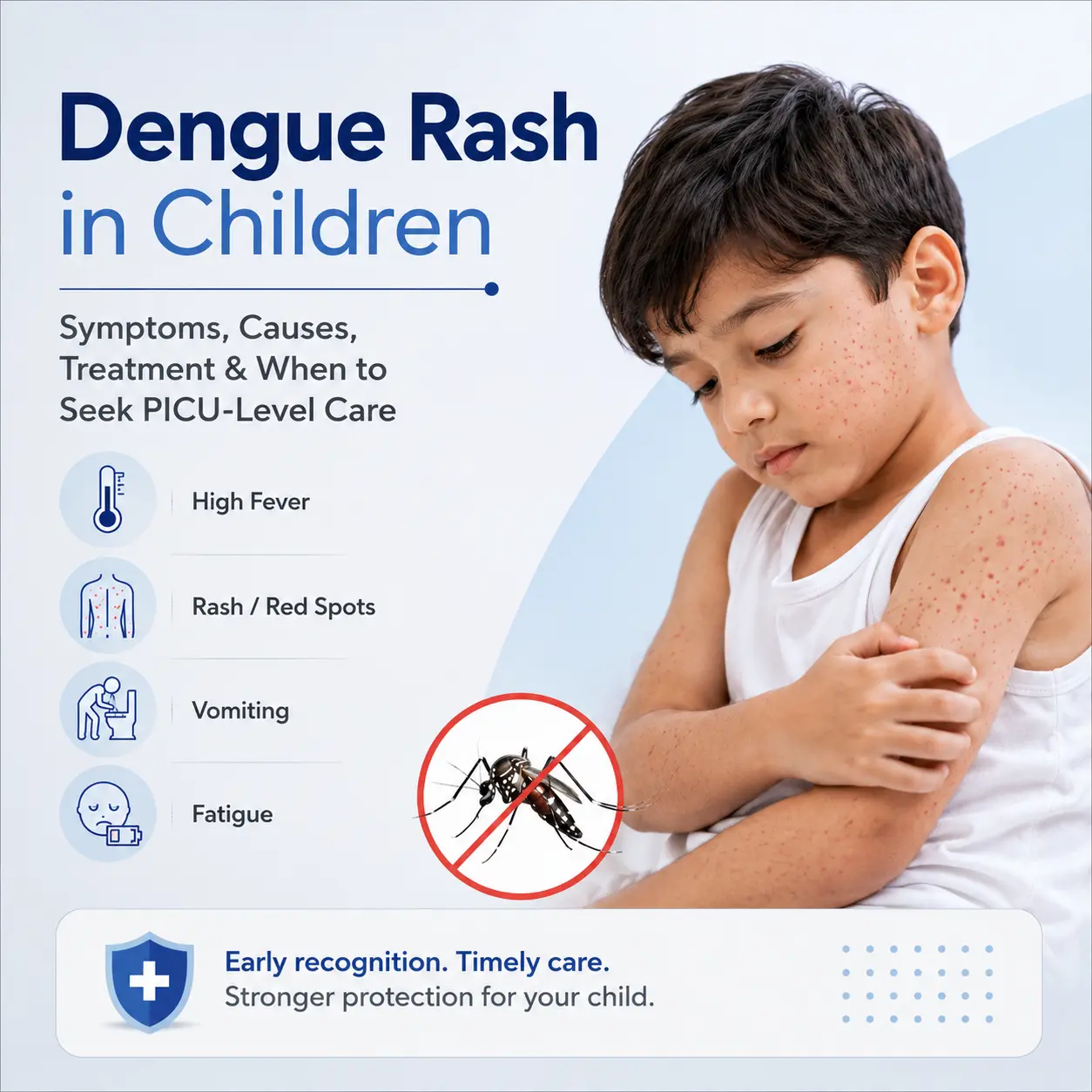
When is a Dengue Rash Serious in Children? Critical Warning Signs Every Parent Should Know
If your child develops a high fever followed by red spots or a skin rash, it's natural to be concerned about dengue. During the monsoon and post-monsoon season in India, dengue is one of the most common mosquito-borne viral infections affecting children. Thi