




Amenorrhea (Absence of Periods)
Amenorrhea means periods have not started by the expected age, or have stopped for several months. Absence of Periods is a sign of an underlying cause, such as pregnancy, hormonal conditions, low weight or a structural problem, and most causes can be treated.

Seamless support from diagnosis to post treatment care
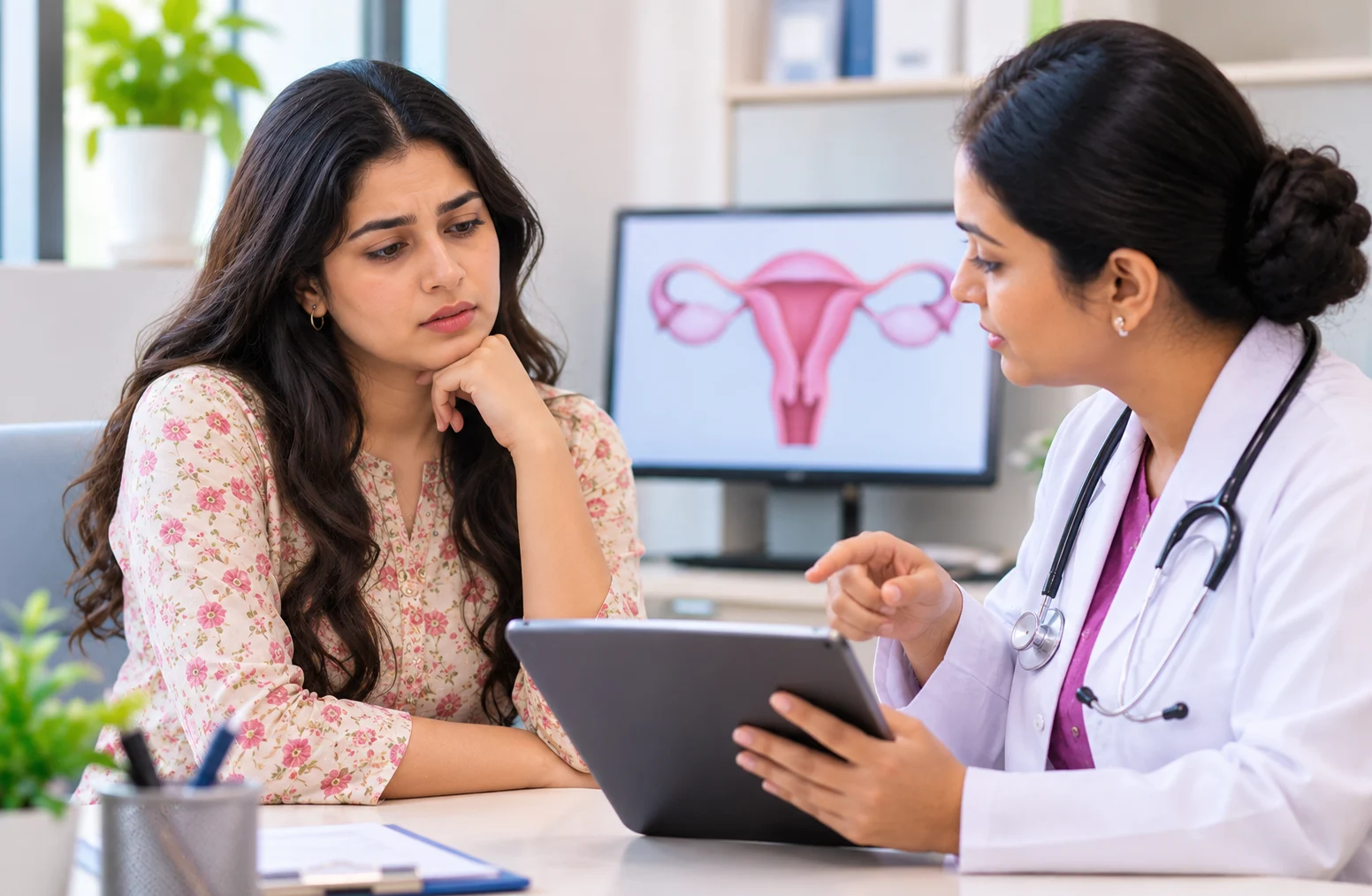
Overview
A missed period can happen for several reasons, including pregnancy, changes in weight, stress, or hormonal conditions. Periods can also stop because of certain medicines or a problem with the hormones or organs that control the cycle. Although a missed period is not always a sign of a serious problem, repeated or prolonged absence of periods requires medical attention.
If your periods have not started by your mid-teens or stop suddenly, knowing the cause can help you take the right steps for your health. With the right diagnosis, most causes of amenorrhea can be treated well.
What Is Amenorrhea (Absence of Periods)?
Amenorrhoea is the absence of menstrual periods. It is a sign that an underlying factor may be affecting the menstrual cycle, rather than a disease in itself. Periods naturally stop during pregnancy and after menopause. Breastfeeding and some hormonal contraceptives can also temporarily stop menstruation.
Doctors classify amenorrhea into two types based on whether periods have started before.
| Type | Definition | Usual causes |
|---|---|---|
| Primary amenorrhea | A girl has not had her first period by age 15, even though other signs of puberty are present. Medical evaluation is also recommended if breast development has not started by age 13 or periods have not begun within about 3 years of breast development starting. | Hormonal conditions, structural differences in the reproductive organs, and genetic causes. |
| Secondary amenorrhea | Periods stop for 3 months or more after previously regular cycles, or for 6 months if cycles were irregular. | Pregnancy, stress, significant weight changes, excessive exercise, hormonal conditions, and certain medicines. |
Important: Pregnancy should be considered first in anyone who could be pregnant, as it is a common cause of missed periods.
How Do the Brain, Ovaries and Uterus Work Together?
A menstrual cycle depends on communication between the brain, the ovaries and the uterus. The brain releases hormones that signal the ovaries to develop eggs and produce hormones such as oestrogen and progesterone. These hormones help prepare the lining of the uterus for a possible pregnancy.
If pregnancy does not occur, hormone levels change and the uterine lining sheds, resulting in a period. For menstruation to occur normally, hormone signals must work properly, the ovaries must respond to them, and the uterine lining must develop and shed. Menstrual blood must also be able to pass through the cervix and vagina. Structural problems that block this passage can prevent menstrual blood from flowing out, even when the menstrual cycle is otherwise functioning.
If any part of this process is affected, periods may become irregular or stop altogether. Understanding which part of the process is involved helps the doctor identify the cause and recommend suitable treatment.
Causes of Amenorrhea
Amenorrhea can develop for several reasons, depending on whether periods have started before. Pregnancy is the most common cause to consider in secondary amenorrhea. Other common causes include PCOS, hormonal imbalances, thyroid disorders and changes in brain hormone signals. Primary amenorrhea may result from genetic or ovarian conditions, delayed puberty or structural differences in the reproductive organs.
Natural causes
- Pregnancy: A common cause of missed periods.
- Menopause: Naturally stops menstruation.
- Breastfeeding: Can delay the return of periods after childbirth.
Changes in brain hormone signals
- Hypothalamic amenorrhea: Ongoing stress, significant weight loss, inadequate nutrition or excessive exercise can affect hormone signals and stop periods.
- High prolactin levels: This hormone, which supports milk production, can interfere with menstruation.
- Pituitary conditions: Tumours and other disorders affecting the pituitary gland can disrupt hormone production.
Hormonal conditions
- Polycystic ovary syndrome (PCOS): Can interfere with ovulation and cause irregular or absent periods.
- Thyroid disorders: Both underactive and overactive thyroid conditions can affect menstrual cycles.
Ovarian conditions
- Primary ovarian insufficiency: The ovaries stop functioning normally before age 40.
- Turner syndrome: A genetic condition that can affect ovarian development, puberty and menstruation.
Structural problems
Structural differences can prevent menstrual blood from flowing out or affect the development of reproductive organs. These include:
- Asherman syndrome: Scar tissue inside the uterus, sometimes following a D&C procedure or infection, including genital tuberculosis.
- Cervical stenosis: Narrowing of the cervix that blocks menstrual blood flow.
- Transverse vaginal septum: A tissue wall across the vagina that can block menstrual flow.
- Imperforate hymen: The hymen completely covers the vaginal opening, preventing menstrual blood from flowing out.
- Müllerian agenesis (MRKH syndrome): A congenital condition in which the uterus and upper vagina do not develop fully, causing primary amenorrhea.
These structural conditions are uncommon and can often be treated or managed with appropriate medical care.
Medicines and medical treatments
- Some hormonal contraceptives and other medicines can stop or reduce menstrual bleeding.
- Chemotherapy and other cancer treatments can affect ovarian function and menstrual cycles.
Pregnancy should be considered first whenever periods stop unexpectedly in someone who could be pregnant. Your doctor will review your symptoms and medical history to identify the underlying cause and recommend suitable treatment.
Who Is at Risk for Amenorrhea?
Certain circumstances can increase the likelihood of irregular or absent periods. These include:
- Very low body weight or inadequate calorie intake
- Restrictive eating or significant weight changes
- Intense exercise without enough nutrition and recovery
- Prolonged stress
- Certain chronic illnesses
- Previous chemotherapy or pelvic radiation
- Procedures involving the uterus, particularly if scar tissue develops
- A family history of early menopause or certain reproductive or hormonal conditions
- Use of medicines that affect reproductive hormones or increase prolactin levels
Having one or more of these factors does not necessarily mean you will develop amenorrhea. Your doctor can assess whether any of them may be contributing to changes in your menstrual cycle.
Symptoms of Amenorrhea
The main symptom of amenorrhea is that periods have not started or have stopped. Other symptoms depend on the underlying cause and may include:
- Milky discharge from the nipples when not breastfeeding
- Acne or increased facial and body hair
- Headaches or changes in vision
- Hot flushes or night sweats
- Pelvic pain
- Unexpected weight gain or weight loss
- Delayed breast development or other signs of delayed puberty
- Difficulty becoming pregnant
Some women with amenorrhea have no noticeable symptoms other than the absence of menstrual periods. Others may experience additional symptoms depending on the underlying cause, such as hormonal changes or structural problems.
Seek prompt medical assessment if your periods have stopped and you have persistent headaches, changes in vision or ongoing pelvic pain. If you have severe or sudden pelvic or abdominal pain, particularly with fainting, dizziness or heavy bleeding when pregnancy is possible, seek emergency medical care.
How Is Amenorrhea Diagnosed?
Doctors diagnose amenorrhea by reviewing your menstrual history, symptoms and medical history, followed by a physical examination. They may recommend the following tests to identify the underlying cause:
- Pregnancy test: A urine or blood pregnancy test is usually the first step in evaluating missed periods in anyone who could be pregnant.
- Blood tests: Depending on your symptoms, the doctor may check:
- Thyroid-stimulating hormone (TSH) to assess thyroid function.
- Prolactin to identify elevated levels that may interfere with menstruation.
- Follicle-stimulating hormone (FSH), luteinising hormone (LH) and oestradiol to assess ovarian function and hormone levels.
- Anti-Müllerian hormone (AMH), when needed, to assess ovarian reserve.
- Testosterone to investigate possible androgen excess, particularly in women with signs of PCOS.
- Pelvic ultrasound: Helps examine the uterus, ovaries and reproductive organs for structural differences, cysts or other abnormalities.
- MRI scans: A brain MRI may be recommended if a pituitary gland problem is suspected. A pelvic MRI may help investigate certain structural abnormalities.
- Karyotype testing: May be recommended in primary amenorrhea, particularly when delayed puberty or a genetic or chromosomal condition is suspected.
- Progestin challenge test: In selected cases, the doctor may prescribe progesterone or a similar hormone for a short period to check whether withdrawal bleeding occurs. This can help assess oestrogen exposure and whether the menstrual outflow tract is functioning.
Not everyone needs all these tests. Your doctor will select investigations based on your age, symptoms, examination findings and medical history.
Possible Complications of Amenorrhea
Amenorrhea does not automatically lead to complications. However, the effects of prolonged absence of periods depend on the underlying cause, particularly whether oestrogen levels are low or ovulation is consistently disrupted.
- Difficulty conceiving: If ovulation does not occur regularly, becoming pregnant may be more difficult. The effect on fertility depends on the cause.
- Reduced bone strength: Prolonged low oestrogen levels can reduce bone density, increasing the risk of osteoporosis and fractures. A bone-density scan (DEXA) may be recommended if oestrogen levels remain low for a prolonged period.
- Metabolic and cardiovascular health: PCOS, a common cause of amenorrhea, may be associated with insulin resistance, changes in blood sugar and cholesterol levels, and an increased long-term risk of cardiovascular problems.
- Changes in the uterine lining: In some women who do not ovulate regularly, particularly those with PCOS, the uterine lining may remain exposed to oestrogen without enough progesterone to balance its effects. This can cause the lining to thicken (endometrial hyperplasia) and increase the risk of endometrial cancer over time. Doctors may prescribe progestin to trigger withdrawal bleeding and help protect the uterine lining.
- Symptoms associated with low oestrogen: Low oestrogen can cause hot flushes, vaginal dryness and discomfort during sex. These symptoms may also affect emotional wellbeing.
The risk of these complications varies from person to person. Identifying the cause early helps your doctor decide whether treatment or monitoring is needed to protect your bone health, reproductive health and overall wellbeing.
Treatment Options of Amenorrhea
Treatment for amenorrhea depends on its cause, age, medical history and pregnancy plans. The aim is to address the underlying condition, restore menstrual function where possible and protect long-term health. The treatment may differ depending on the diagnosis.
Treatment based on the cause
| Underlying Cause | Possible treatment |
|---|---|
| Pregnancy | Antenatal care and regular pregnancy monitoring. |
| Thyroid disorders | Medicines to manage underactive or overactive thyroid function. |
| High prolactin levels or pituitary tumours | Dopamine agonist medicines, such as cabergoline, to reduce prolactin levels when appropriate. Some pituitary tumours may need additional treatment. |
| Polycystic ovary syndrome (PCOS) | Lifestyle changes, medicines to regulate menstrual cycles and ovulation-inducing medicines if pregnancy is desired. |
| Hypothalamic amenorrhea | Improving nutrition, restoring a healthy weight, reducing excessive exercise and psychological support or counselling. |
| Primary ovarian insufficiency (POI) | Hormone replacement therapy (HRT), usually until the average age of natural menopause, if there are no contraindications. |
| Asherman syndrome | Hysteroscopic adhesiolysis, a procedure to remove scar tissue from inside the uterus. |
| Outflow tract obstruction | Surgery to correct the blockage, depending on its location and cause. |
Protecting bone health
Prolonged low oestrogen levels can weaken bones. Depending on the underlying cause, your doctor may recommend:
- Calcium and vitamin D supplementation, if needed.
- Weight-bearing exercises to support bone strength.
- Hormone replacement therapy to protect bone health and manage symptoms associated with low oestrogen, particularly in women with primary ovarian insufficiency.
Support for fertility
If you wish to conceive, treatment may focus on restoring ovulation through medication, lifestyle changes or fertility treatment. Amenorrhea does not necessarily mean infertility. If you do not wish to conceive, contraception may still be needed because ovulation can occur before periods return.
Important: Do not take period-inducing medicines, such as norethisterone, on your own. Pregnancy should first be ruled out, and a doctor should evaluate the underlying cause before prescribing these medicines.
What is the Prognosis (Outlook) for Amenorrhea?
The outlook for amenorrhea depends on its cause, duration and response to treatment. Most cases caused by functional or hypothalamic factors have a good outlook, with periods often returning once the underlying factors are addressed.
What to expect:
- Return of periods: Menstrual cycles often return once the underlying cause, such as thyroid disease or nutritional deficiencies, is treated.
- Long-term conditions: Amenorrhea caused by primary ovarian insufficiency or other chronic conditions may require ongoing treatment and monitoring.
- Fertility: Some people conceive naturally once ovulation resumes, while others may need fertility treatment. Pregnancy is possible with amenorrhea if ovulation occurs, even before periods return.
- Long-term health: Even if periods do not return, treatment can help protect bone health, manage symptoms and reduce other health risks.
Questions to Ask Your Doctor
Preparing questions before your appointment can help you understand the cause of your missed periods and make informed decisions about your care.
About the cause and tests
- What could be causing my periods to stop?
- Could pregnancy, a thyroid problem or a hormonal condition be responsible?
- Which blood tests or scans do I need?
- When should I expect the results?
About treatment and bone health
- Which treatment do you recommend, and what is its purpose?
- Could the absence of periods affect my bone health?
- Are hormone medicines or supplements appropriate for me?
- Is it likely that my periods will return?
About fertility and long-term health
- Could amenorrhea affect my ability to conceive?
- Should I consider a fertility assessment?
- Do I need monitoring for any long-term health effects?
- Would I benefit from seeing an endocrinologist or another specialist?
Your gynecologist can answer these questions based on your medical history and test results. Understanding the reason for your symptoms and the next steps can help you feel more confident about your care.
Prevention and Lifestyle Tips of Amenorrhea
Not all causes of amenorrhea can be prevented. However, certain habits can support hormonal health and help reduce the risk of periods stopping because of inadequate nutrition, excessive exercise or other modifiable factors.
- Eat a balanced diet: Include a variety of nutritious foods and enough energy to meet your body's needs.
- Avoid extreme dieting: Significant weight loss and inadequate calorie intake can disrupt the hormones that regulate menstruation.
- Exercise appropriately: Regular physical activity supports overall health, but intense training should be balanced with adequate food and recovery.
- Manage ongoing stress: Relaxation techniques, adequate sleep and professional support when needed may help if stress is affecting your cycle.
- Review your medicines: Ask your doctor whether any medicines or hormonal contraceptives could explain the absence of periods. Do not stop prescribed medicines without medical advice.
- Attend recommended health check-ups: Seek assessment if periods stop unexpectedly or menstrual changes persist.
These steps support general health but cannot prevent every cause of amenorrhea. If your periods have stopped for three months after previously regular cycles, or have not started by age 15, arrange a medical assessment rather than relying on lifestyle changes alone.
Why Choose BirthRight by Rainbow Hospitals for Amenorrhea Care?
At BirthRight by Rainbow Hospitals, we understand that absent periods can raise concerns about hormonal health, puberty and future fertility. Our approach focuses on identifying the underlying cause and helping patients make informed decisions about their care.
- Adolescent gynaecology support: We provide sensitive, age-appropriate evaluation for teenagers with delayed puberty or absent periods, with clear guidance for parents and appropriate privacy and consent during consultations.
- Hormonal evaluation: We help investigate possible hormonal causes through relevant blood tests and specialist assessment, including thyroid function, prolactin and reproductive hormone levels.
- Imaging and diagnostic procedures: Pelvic ultrasound and other recommended imaging can help identify structural differences and reproductive-organ concerns. Hysteroscopy may be considered when conditions such as Asherman syndrome are suspected.
- Multidisciplinary specialist care: Endocrinologists and paediatric endocrinologists can support the evaluation and management of hormonal conditions, where these services are available.
- Nutrition and lifestyle guidance: Nutrition counselling can help patients address factors such as inadequate nutrition, significant weight changes and excessive exercise that may affect menstrual cycles.
- Fertility support: For patients planning pregnancy, fertility specialists can assess ovulation concerns and discuss suitable treatment options, including assisted reproductive techniques when needed.
- Long-term health guidance: We help patients understand how amenorrhea may affect bone health, reproductive health and overall wellbeing, and discuss appropriate treatment and monitoring.
Our focus is on understanding why periods have stopped or have not started, explaining the available treatment options and supporting patients through each stage of care.
If you have missed periods or your menstrual cycles have not started as expected, book an appointment with a gynecologist at BirthRight by Rainbow Hospitals to discuss your concerns.

Find a Doctor and Book Appointment Online
Meet our specialist doctors who bring together clinical expertise, compassion, and personalised care to support your health and well-being. Choose from 1,300+ specialists across our network and book an appointment with BirthRight and Rainbow Children Hospitals, offering 24*7 support to you and your family.

Dr. Pranathi Reddy A
Clinical Director – Obstetrics & Gynecology.
English,Hindi,Telugu Banjara Hills

Dr. Gauri Vinayak Dhamangaonkar
Senior Consultant - Fetal Medicine
15 Years English,Hindi,Marathi,Telugu Kondapur OP, Banjara Hills

Dr. Shruthi Reddy Poddutoor
Consultant Obstetrician, Gynecologist & Laparoscopic Surgeon
English,Telugu Banjara Hills

Dr. Himabindu Veerla
Consultant Obstetrician, Gynecologist & Laparoscopic Surgeon
English,Telugu Banjara Hills

Dr. Bhargavi Reddy K
Consultant - Obstetrics and Gynecology
10 Years English,Hindi,Telugu Banjara Hills, Attapur Clinic

Dr. Annie Pranutha P
Consultant Obstetrics and Gynecology
9 Years English,Hindi,Telugu Banjara Hills, Attapur Clinic

Dr. Sasikala Kola
Consultant Obstetrician & Gynecologist
English,Hindi,Telugu Banjara Hills

Dr. Atigadda Vijaya
Consultant - Obstetrics & Gynecology
Hindi,Telugu Banjara Hills, Himayatnagar, Attapur Clinic

Dr. Nishanth Reddy Inavolu
Visiting Consultant Physician and Diabetologist & Internal Medicine
English,Hindi,Telugu Banjara Hills, Himayatnagar

Dr. Tulika Tayal
Consultant - Fetal Medicine
English,Telugu Banjara Hills

Dr. M Prathyusha Reddy
Consultant Obstetrics & Gynecology
English,Telugu Banjara Hills

Dr. Nithya Narasimha Murthy
Consultant -Psychiatrist
English,Hindi,Telugu Kondapur OP, Banjara Hills, Child Development Centre - Banjarahills Rd No 10

Dr. Brundavani
Consultant - Nutritionist
English,Hindi,Telugu Kondapur OP, Hydernagar, Banjara Hills, Child Development Centre - Banjarahills Rd No 10

Dr. Niveditha Chalmeda
Consultant
English,Telugu Banjara Hills

Dr. Kirti Reddy Patlolla
Consultant Obstetrics and Gynaecology
English,Telugu Banjara Hills, Attapur Clinic

Dr. Tuheena Sharma
Consultant - Perinatal Physiotherapy
10 Years English,Telugu Banjara Hills

Dr. Aditi Shah
Consultant - Fetal Medicine
English,Telugu Banjara Hills

Dr. Swathi Naga Tulasi Rayapureddy
Lactation Consultant
8 Years English,Telugu Banjara Hills

Dr. Swetha Reddy. S
CONSULTANT PERINATAL PSYCHIATRIST AND WOMEN MENTAL HEALTH SPECIALIST
13 Years English,Hindi,Telugu Banjara Hills

Dr. Addu Kiranmayi
Chief Clinical Nutritionist and Lifestyle Medicine Consultant
15 Years English,Hindi,Telugu Himayatnagar, Banjara Hills

Dr. Palle Nalini Kumari
Lactation Consultant
17+ Years English,Hindi,Telugu Banjara Hills
Dr. Nazia Tabassum
Consultant - Breast, Plastic & Reconstructive Surgeon
9 Years English,Hindi,Telugu,Urdu Banjara Hills

Dr. Sruthi Cheera
Consultant Breast Surgeon
5 Years English,Hindi,Kannada,Telugu Banjara Hills

Dr. Supriya Reddy
Lactation Consultant
5 Years English,Hindi,Telugu Banjara Hills

Dr. Niraj Krishnamurthy Yanamandra
Senior Consultant Obstetrician & Gynaecologist, Laparoscopy & Hysteroscopy Surgeon
English,Hindi,Marathi,Telugu Hydernagar, Banjara Hills, Financial District

Dr. B. Rao Bahadur
Consultant – Obstetrician & Gynecologist, Laparoscopic ,& Hysteroscopic Surgeon
22 Years English,Hindi,Konkani,Marathi,Telugu Banjara Hills, Kondapur OP

Dr. Sneha Kulkarni
Consultant - Child, Adolescent & Adult Psychiatrist
10 Years English,Hindi,Kannada,Telugu Secunderabad, Banjara Hills, Child Development Centre - Banjarahills Rd No 10

Dr. Lavanya Janagama
Consultant – Obstetrics & Gynecology
10+ Years English Banjara HillsLeading Hospitals for Women Care
Rainbow Children's Hospital stands as a testament to the hospital's continual pursuit of excellence and innovation, providing specialized care for women and children


















chennai
Blogs
Discover our most recent health articles provided by our reliable experts.




What Are People Saying About Us
Embark on a journey of inspiration and hope with our patient success stories, complemented by informative videos from our dedicated doctors.




Media
 Common Gynaecological Surgeries to Fix Female Reproductive Issues
 Healthy Woman - Healthy World
 Healthier Women For a Healthier Future...
 Rainbow Children’s Hospital & BirthRight by Rainbow Launch Video Consultation Facilities
 Dr.Pranthi Reddy
 What is the use of that?
 Can you try this time?
 Pregnant Women are Not Unfit
 Declining Age of Menarche - A Matter of Concern
 Important Facts about Cervical Cancer
 Be careful before preempting
 Flu every month!
 Menstrual cramps
 Premature delivery
 Whether laughing or coughing...why?
 Multi - Tasking may be Cool but it's not Healthy
 Pregnant and Worried about COVID-19? Here's Everything you Need to know
 Video Consultation in Pandamic Situation for Pregnancy Women's
 Women.. Various types of cysts
 Recurrent Pregnancy Loss in Women
 Early Onset of Puberty: Causes, Symptoms and Treatment Options
Common Gynaecological Surgeries to Fix Female Reproductive Issues
Healthy Woman - Healthy World
Healthier Women For a Healthier Future...
FAQs
Can I be pregnant with a negative home test if my period is late?
What is the main cause of amenorrhea?
How can amenorrhea be cured?
How do I get my period back?
Can stress cause missed periods?
How long after stopping birth control will my period return?
Is it okay not to have a period if I feel completely well?
Can you get pregnant with amenorrhea, and does it cause infertility?
How can I support my daughter who is worried she has not started her periods like her friends?
Do pills that give me a monthly bleed mean my periods are normal?
Is it safe to have no periods while using a hormonal IUD or implant?
Why are my periods missing even though my blood tests were normal?
Does having no periods mean I have no eggs left?
Which doctor should I see for missing periods, a gynecologist or an endocrinologist?
Did I do something to cause amenorrhea?
Will my periods come back on their own?
Quick Links
Free Calculators to Track and Predict your Pregnancy
Gynecologist in Other Locations
Women's Health Conditions We Treat
- Mastitis (Breast Infection)
- PCOS (Polycystic Ovary Syndrome)
- Uterine Fibroids (Leiomyomas)
- Recurrent Pregnancy Loss
- Blocked Fallopian Tubes (Fallopian Tube Obstruction)
- Gestational Diabetes in Pregnancy
- Incompetent Cervix (Cervical Insufficiency)
- COVID-19 in Pregnancy
- Cytomegalovirus (CMV) in Pregnancy
- HELLP Syndrome
- Luteal Phase Defect
- Vasa Previa
- Listeria in Pregnancy
- Placenta Previa
- Endometrial Polyps (Uterine Polyps)
- Congenital Heart Disease in Pregnancy
- Hyperemesis Gravidarum (Severe Morning Sickness)
- Preeclampsia (toxemia)
- Fetal Distress (Non-Reassuring Fetal Status)
- Postpartum Haemorrhage (PPH)
- Placental Abruption (Abruptio Placentae)
- Placenta Accreta
- Postpartum Depression (PPD)
- Rhesus (Rh) Incompatibility
- Syphilis in Women
- Thalassemia in Pregnancy
- Gestational Thrombocytopenia
- Diabetes in Pregnancy
- Uterine Rupture
- Migraine in Pregnancy
- Eclampsia
- Uterine Inversion (Inverted Uterus)
- Rubella in Pregnancy
- Pulmonary Hypertension in Pregnancy
- Hydrops Fetalis (Fetal Hydrops)
- Iron-Deficiency Anaemia in Pregnancy
- Hypothyroidism in Pregnancy
- Pregnancy Constipation
- Retained Placenta
- Antiphospholipid Syndrome (APS)
- Subchorionic Hemorrhage
- Asthma in Pregnancy
- Amniotic Fluid Embolism (AFE)
- Placenta Increta
- Fetal Macrosomia
- Gestational Trophoblastic Disease (GTD)
- Postpartum Psychosis
- Chronic Hypertension in Pregnancy
- Gestational Hypertension
- Oligohydramnios (Low Amniotic Fluid)
- Miscarriage (Spontaneous Abortion)
- Breast Abscess
- Ovarian Cancer