




Azoospermia (Zero Sperm Count)
Azoospermia, sometimes described as "no sperm in semen" or a zero sperm count, is confirmed when no sperm are seen in at least two centrifuged samples. Finding the cause, whether a blockage, a hormone problem or a testicular problem, decides whether treatment, sperm retrieval and IVF with ICSI may help.

Seamless support from diagnosis to post treatment care
Overview
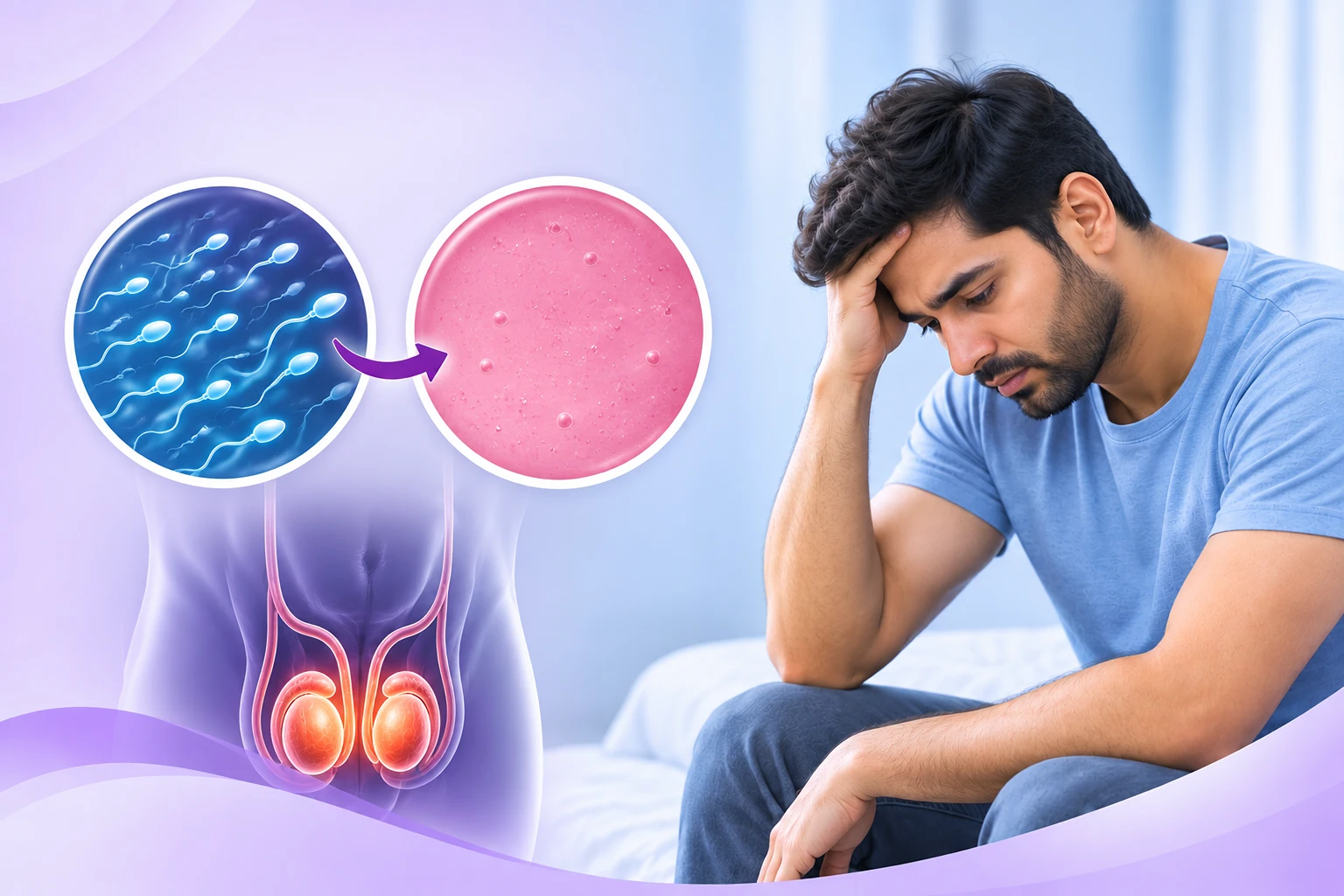
Receiving a semen analysis report that shows no sperm can raise questions about your fertility and your chances of becoming a biological father. It is important to know that this result does not always mean biological fatherhood is out of reach. In some men, sperm are being produced but cannot reach the semen. In others, the testicles produce very few or no sperm. Identifying the cause helps your fertility specialist explain which treatment options may be available.
With the right assessment and support, you can understand your options and make informed decisions about starting a family.
What Is Azoospermia?
Azoospermia is the complete absence of sperm in the semen and is diagnosed when no sperm are found in at least two centrifuged semen samples. It affects approximately 1% of men in the general population and 10–15% of men evaluated for infertility. Of all azoospermia cases, approximately 40% are obstructive and 60% are non-obstructive
There are two main types of azoospermia:
- Obstructive azoospermia: Sperm are produced in the testicles, but a blockage prevents them from reaching the semen.
- Non-obstructive azoospermia: The testicles produce very few or no sperm because of a problem with sperm production.
Identifying the type is an important first step because it helps determine whether treatment should focus on clearing a blockage, addressing a hormone problem or retrieving sperm for fertility treatment.
How Sperm Production and Transport Are Affected?
Sperm production and transport involve several parts of the male reproductive system.
- Sperm production: The testicles produce sperm through a process called spermatogenesis.
- Sperm maturation and transport: Sperm mature in a coiled tube behind each testicle called the epididymis. They then travel through the vas deferens, a tube that carries sperm towards the urethra.
- Semen formation: Fluids from the seminal vesicles and prostate gland mix with sperm to form semen.
- Ejaculation: Semen leaves the body through the urethra during ejaculation.
A blockage anywhere along the transport pathway can prevent sperm from entering the semen, even when sperm production is normal. Alternatively, a problem involving the testicles or the hormones that control them can reduce or stop sperm production.
This is why semen may look and feel normal even when no sperm are present. A laboratory semen analysis, rather than the appearance of the semen, is needed to identify azoospermia.
Causes of Azoospermia
The causes of azoospermia depend on whether sperm cannot reach the semen or are not being produced adequately. Some men have an identifiable cause, while others may need further investigation before the reason becomes clear.
1. Blockage (Obstructive) Causes
Obstructive azoospermia occurs when sperm are produced but cannot travel through the reproductive tract. Possible causes include:
- Blockages present from birth: Some men are born with missing or underdeveloped sperm-carrying tubes, including the vas deferens.
- Previous infections: Certain infections can cause scarring that blocks the reproductive tract.
- Vasectomy: This procedure deliberately blocks the vas deferens to prevent sperm from entering the semen.
- Previous surgery or injury: Procedures or injuries involving the reproductive tract can sometimes damage or block the tubes.
- Ejaculatory duct obstruction: A blockage in the ducts that carry semen into the urethra can prevent sperm from entering the ejaculate.
2. Sperm-Production (Non-Obstructive) Causes
Non-obstructive azoospermia occurs when the testicles cannot produce enough sperm for any to be detected in the semen. Possible causes include:
- Genetic conditions: Conditions such as Klinefelter syndrome or certain Y-chromosome changes can affect sperm production.
- Hormonal disorders: Low levels of hormones that stimulate the testicles can interfere with sperm production.
- Testicular injury or disease: Damage to the testicles can affect their ability to make sperm.
- Undescended testicles: Testicles that did not move into the scrotum during childhood may have impaired sperm production, particularly if treatment was delayed.
- Cancer treatment: Chemotherapy and radiotherapy involving the testicles can damage sperm-producing cells.
- Medicines and hormone use: Testosterone treatment and anabolic steroids can suppress the hormones needed for sperm production.
- Unexplained causes: Sometimes, investigations do not identify a definite reason for reduced or absent sperm production.
The distinction between these causes matters because a blockage may be treatable through surgery or sperm retrieval, while non-obstructive azoospermia may require a different approach. Your specialist will use your medical history, examination and test results to guide the next steps.
Risk Factors of Azoospermia
Certain medical conditions, treatments and past events can increase the likelihood of azoospermia. These include:
- A history of undescended testicles.
- Previous testicular injury, torsion (twisting of the testicle) or certain infections.
- Previous surgery involving the reproductive tract.
- Cancer treatment, including certain types of chemotherapy and radiotherapy.
- Use of testosterone or anabolic steroids.
- A family history of male infertility or certain genetic conditions.
Having one or more risk factors does not necessarily mean you will develop azoospermia. The condition can also occur without an obvious risk factor. A detailed medical and reproductive history helps your specialist identify which investigations may be needed.
Symptoms of Azoospermia
Most men with azoospermia do not notice any physical symptoms. They may have a normal sex drive, normal ejaculation and semen that looks no different from usual.
The condition is often discovered during fertility investigations when a couple has difficulty conceiving. Depending on the underlying cause, some men may also experience:
- Difficulty conceiving: This is often the first indication that a fertility assessment is needed.
- Small or firm testicles: Changes in testicular size or consistency may suggest a problem affecting sperm production.
- Scrotal swelling or discomfort: These symptoms may occur with certain underlying conditions, although they are not specific to azoospermia.
- Reduced sex drive or erectile difficulties: These can occur when a hormonal problem affects sexual function.
- Other hormonal signs: Depending on the cause, some men may notice reduced facial or body hair or breast enlargement.
These symptoms do not confirm azoospermia, and many men have none of them.
A semen analysis is needed to identify the condition. Consider a fertility assessment if you have been trying to conceive for 12 months without success, or earlier if you have a history of testicular problems, reproductive surgery, cancer treatment or a known fertility-related condition. Seek prompt medical attention for sudden or severe testicular pain or swelling.
How Azoospermia Is Diagnosed?
Diagnosing azoospermia involves confirming that sperm are absent from the semen and identifying the underlying cause. Your fertility specialist may recommend the following tests based on your medical history, physical examination and initial findings.
- Repeat semen analysis: At least two semen samples are examined, including after centrifugation (spinning the sample to concentrate any sperm present), to confirm azoospermia. The doctor also checks semen volume and other characteristics.
- Hormone blood tests: Tests measuring follicle-stimulating hormone (FSH), luteinising hormone (LH) and testosterone help assess testicular function and identify hormonal problems that may affect sperm production.
- Physical examination: The doctor checks the size and consistency of the testicles, the epididymis (the tube where sperm mature and are stored) and whether the vas deferens (the tubes that carry sperm) are present.
- Karyotype analysis: This blood test examines the number and structure of chromosomes to identify genetic abnormalities, such as Klinefelter syndrome, that may affect sperm production.
- Y-chromosome microdeletion (AZF) testing: This test looks for missing sections of the Y chromosome that may affect sperm production. The type of deletion can help predict whether sperm may be found during surgical sperm retrieval. These deletions can also be passed on to sons through assisted reproduction using the affected sperm.
- CFTR gene testing: This test may be recommended when the vas deferens is absent, particularly in men with congenital bilateral absence of the vas deferens (CBAVD), a condition in which both sperm-carrying tubes are missing from birth. It can identify genetic changes associated with this condition and help assess the risk of cystic fibrosis in offspring.
- Imaging tests: Ultrasound or other imaging may be recommended when a blockage, structural abnormality or another underlying condition is suspected. These tests are not routinely needed in every patient.
Not every patient needs all these tests. Your specialist will select the investigations most likely to identify the cause of azoospermia and guide treatment. Your partner may also need a fertility assessment so that both partners' reproductive health is considered when discussing your options.
Possible Complications of Azoospermia
Azoospermia primarily affects fertility, but the underlying cause and the experience of receiving a diagnosis can have wider effects.
- Difficulty conceiving naturally: When no sperm are present in the semen, natural conception is generally not possible unless the underlying problem is corrected and sperm return to the ejaculate.
- Emotional and relationship strain: Uncertainty about having a child can affect emotional well-being and relationships. Support and counseling may help couples discuss their concerns and choices.
- Underlying health conditions: In some men, azoospermia is associated with hormonal disorders, genetic conditions or testicular problems that may require additional medical care.
- Treatment-related considerations: Surgical sperm retrieval and reconstructive procedures carry risks that vary by technique. Your specialist will explain the potential benefits, limitations and recovery requirements before treatment.
Azoospermia does not affect every aspect of a man's health or sexual function. Identifying and treating any underlying condition, alongside appropriate fertility support, can help address its wider effects.
Treatment Options of Azoospermia
Treatment for azoospermia depends on the underlying cause, whether sperm are being produced and your family-building goals. The aim may be to restore sperm transport, treat a reversible medical problem or retrieve sperm for use in assisted reproductive treatment.
Your fertility specialist will explain the available options, their limitations and the likelihood of finding usable sperm in your individual situation.
1. Treating a Blockage
When sperm production is preserved but a blockage prevents sperm from reaching the semen, treatment may focus on restoring the passage or collecting sperm directly.
- Surgical reconstruction: Procedures such as vasovasostomy may reconnect the vas deferens after a vasectomy. Other reconstructive procedures may be considered for suitable blockages.
- Epididymal sperm retrieval: Techniques such as percutaneous epididymal sperm aspiration (PESA) or microsurgical epididymal sperm aspiration (MESA) collect sperm from the epididymis.
- Testicular sperm retrieval: Techniques such as testicular sperm aspiration (TESA) or testicular sperm extraction (TESE) collect sperm directly from the testicles when appropriate.
The choice depends on the site and cause of the blockage, the time since a vasectomy if relevant, and the fertility plans of both partners. Surgery may restore sperm to the semen in selected cases, but this is not guaranteed. Direct sperm retrieval may be considered when assisted reproduction is preferred, or reconstruction is unsuitable.
2. Finding Sperm in Non-Obstructive Azoospermia (NOA)
In non-obstructive azoospermia, sperm production is reduced or absent. However, some men may have small areas within the testicles where sperm are still produced, making sperm retrieval possible.
- Hormonal treatment: Men with hypogonadotropic hypogonadism (a condition in which the body produces insufficient FSH and LH to stimulate sperm production) may respond to gonadotropin therapy, such as human chorionic gonadotropin (hCG) and FSH injections, which can stimulate sperm production. If azoospermia is caused by testosterone replacement therapy or anabolic steroid use, stopping these substances under medical supervision may allow sperm production to recover. However, hormonal treatment generally does not improve sperm production in men with primary testicular failure.
- Microdissection testicular sperm extraction (micro-TESE): This surgical procedure uses a microscope to identify areas of the testicle that may contain sperm. Any sperm found may be collected for use in fertility treatment. Sperm retrieval is not guaranteed, and the likelihood of success depends on the underlying cause of azoospermia.
- Genetic counselling: If testing identifies a genetic cause, counselling can help you understand whether it may affect your children and what reproductive options are available.
Sperm retrieval is not always successful. Your specialist will explain the potential benefits, limitations and risks of the procedure before recommending surgery.
3. Using the Sperm and Donor Options
If sperm are retrieved, they may be used in a fertility treatment called intracytoplasmic sperm injection (ICSI). During ICSI, an embryologist injects a single sperm into an egg as part of in vitro fertilisation (IVF).
ICSI can help couples attempt conception using retrieved sperm, but it does not guarantee fertilisation, pregnancy or a live birth. The outcome also depends on factors such as egg quality, the female partner's reproductive health and the number and quality of available sperm.
If sperm retrieval is unsuccessful, or if the couple prefers another approach, donor sperm may be considered. Adoption or choosing not to pursue further fertility treatment are also valid personal options. Your specialist can discuss the practical, medical and emotional aspects of each path without pressuring you towards a particular decision.
Prognosis: Can Azoospermia Be Treated?
The outlook for azoospermia depends on its cause and the treatment options available.
Men with obstructive azoospermia often have better treatment options because their testicles may still produce sperm. Surgery may remove the blockage, or sperm can be collected directly for IVF with ICSI.
Non-obstructive azoospermia is harder to treat because the testicles produce fewer or no sperm. In some men, sperm can still be found through surgery and used for fertility treatment. However, sperm cannot always be found, and treatment does not guarantee a biological child.
Azoospermia does not automatically mean that biological fatherhood is impossible. The most useful next step is a specialist assessment that clarifies the cause, explains realistic treatment options and considers both partners' fertility. Emotional support or counseling can also help you navigate decisions at your own pace.
Questions to Ask Your Andrologist
Preparing questions before your appointment can help you understand your diagnosis and make decisions with greater confidence.
1. About Diagnosis and Cause
- Which type of azoospermia do I have?
- What may have caused it?
- Do I need hormone or genetic tests?
- Is there an underlying condition that also needs treatment?
2. About Treatment and Sperm Retrieval
- Can my condition be treated or reversed?
- Is surgical sperm retrieval suitable for me?
- What are the chances of finding usable sperm in my case?
- What are the risks and recovery requirements of the recommended procedure?
3. About Family-Building Options
- If sperm are found, could we use IVF with ICSI?
- What are our options if sperm cannot be retrieved?
- Could a genetic cause affect our future child?
- What emotional or counselling support is available for us as a couple?
Your treatment plan should reflect your diagnosis, health, preferences and family-building goals. It is reasonable to ask for clarification or a second opinion if you need more information before deciding.
Prevention and Lifestyle Tips of Azoospermia
Not all cases of azoospermia can be prevented, particularly those caused by genetic conditions or certain medical problems. However, some steps may help protect fertility or preserve sperm before treatments that could affect sperm production.
- Avoid unsupervised testosterone and anabolic steroids: These can reduce sperm production. Talk to your andrologist before changing any hormone treatment.
- Get testicular problems checked: See a doctor for testicular pain, swelling, injury or suspected infection.
- Treat undescended testicles early: Early treatment in childhood can help protect future sperm production.
- Consider sperm freezing before cancer treatment: Freezing sperm before chemotherapy or radiotherapy may help preserve future fertility.
- Review your medicines: Tell your doctor about all medicines and supplements you take, as some may affect sperm production.
These steps cannot prevent every cause of azoospermia. If you have concerns about fertility, a specialist can advise on appropriate investigations and ways to preserve your options.
Why Choose Birthright Fertility by Rainbow Hospital for Azoospermia Care?
At BirthRight Fertility by Rainbow Hospitals, we understand that a diagnosis of azoospermia can bring uncertainty about your plans for parenthood. Our approach focuses on a clear diagnosis, individualised treatment planning, and sensitive support for both partners.
- Individualised fertility assessment: We assess your medical and reproductive history, semen analysis and relevant examination findings to help identify the possible cause.
- Hormonal and genetic evaluation: Where indicated and available, we arrange appropriate investigations to assess hormone function and identify genetic factors that may affect fertility.
- Sperm retrieval and assisted reproduction: Where these services are available, our fertility specialists can discuss suitable sperm-retrieval techniques and options such as IVF with ICSI.
- Coordinated care: We consider both partners' fertility assessments when planning treatment and explaining the available options.
- Confidential and compassionate support: We recognise the sensitive nature of male infertility and aim to provide clear explanations, respect your privacy and support informed decisions.
The specific tests and procedures available may vary by centre. Our team can help you understand which services are available at your nearest location and whether they are appropriate for your circumstances.
BirthRight Fertility by Rainbow Hospitals has supported more than 1,00,000 parenthood journeys across 15 Level II ART clinics in India. Book a consultation at your nearest BirthRight Fertility centre to discuss azoospermia privately with our specialists.

Find a Doctor and Book Appointment Online
Meet our specialist doctors who bring together clinical expertise, compassion, and personalised care to support your health and well-being. Choose from 1,300+ specialists across our network and book an appointment with BirthRight and Rainbow Children Hospitals, offering 24*7 support to you and your family.

Dr. Ratna Durvasula
Consultant Fertility Specialist
English,Telugu Banjara Hills, Financial District

Dr. Sudharani Bairraju
Senior Consultant Obstetrician and Gynaecologist, Laparoscopic surgeon and Infertility (IVF) Specialist
English,Telugu Banjara Hills

Dr. Lakshmi Chirumamilla
Fertility Specialist and Reproductive Endocrinologist
25 Years English,Hindi,Telugu Banjara Hills

Dr. Sai Sirisha Vandana
Consultant - Reproductive Medicine & Fertility Specialist
7 Years English,Hindi,Kannada,Telugu Banjara HillsLeading Hospitals for Fertility Care
Rainbow Children's Hospital stands as a testament to the hospital's continual pursuit of excellence and innovation, providing specialized care for women and children

















chennai
Blogs
Discover our most recent health articles provided by our reliable experts.



What Are People Saying About Us
Embark on a journey of inspiration and hope with our patient success stories, complemented by informative videos from our dedicated doctors.




Media
 Dr. Preethi Reddy Article on Lifestyle Changes to Improve Fertility | BirthRight Fertility by Rainbow
 Dr. Ratna Duravasula Sr. Infertility Specialist
 Surrogacy, a Boon when Normal
 Surrogacy, a Boon when Normal Pregnancy is Medically Inadvisable
 Fertility... Modern Treatments
 A month after covid subsided....
 Can the baby's heartbeat be heard in an ectopic pregnancy?
 Doctors Exploit Loopholes in Bill
 Fertility counseling
 JCI Accreditation
 Menstrual cramps
 So Why are Men Turning into Women?
 Hysteroscopy- Procedure Of Choice For Intrauterine Problems
 Diet and Exercise in Pregnancy- Bust your Myths and Know your Facts
 Recurrent Pregnancy Loss
 Do Laptops, Excessive Heat and Tight Jeans Cause Infertility?
 In Vitro Fertilization
 Menstrual cup – are we really aware of it?
 No More Worries About Menopause
 Stretch marks in pregnancy: Embracing the scars
 Egg Freezing
 Fertility Preservation: Methods and Indications for Securing Reproductive Options
 Tips for planning a pregnancy
 Inferticity
 Here is all what you need to know about IVF, the popularly known fertility treatment
 Delayed marriage among factors for birth rate dip
 Fertility against Odds: IVF hope for women above 40 years of age
 Will Pregnancy Cure Endometriosis?
 Postpartum Depression: Expert Lists Essential Foods Prevent Depression in New Mothers
 Complications of Gestational Diabetes During Pregnancy by Dr. Triveni Arun Akkiraju
 Five Key Sexual Health Facts for Women
 Six Reasons That May Cause IVF Failure
 దంపతుల్లో ఈ మూడు లోపాలుంటే పిల్లలు పుట్టరు
 IVF and Genetic Testion - Essential Insights
 In vitro fertilization (IVF)
 About In Vitro Fertilization
 What is the IVF cost?
 What is the cost of IVF?
 Tick-Tock on Biological clock: Fertility concerns multiply in Telugu States
 Diminished Ovarian Reserve (DOR): Causes, Diagnosis, and Treatment Options by Dr. Shreeja Karan
 25 Years of Anniversary - Rainbow Children's Hospital & BirthRight
 Rising infertility: Addressing Challenges with Laparoscopy & Hysteroscopy
Dr. Preethi Reddy Article on Lifestyle Changes to Improve Fertility | BirthRight Fertility by Rainbow
Dr. Ratna Duravasula Sr. Infertility Specialist
Surrogacy, a Boon when Normal
FAQs
Can azoospermia be temporary?
Will my son inherit azoospermia if we conceive through ICSI?
Is micro-TESE painful, and what is recovery like?
Is donor sperm the only option if no sperm are found?
Can azoospermia occur after a vasectomy, and is reversal possible?
Can steroids or testosterone injections cause azoospermia, and can it be reversed?
Can I freeze sperm before cancer treatment to avoid azoospermia?
Sperm freezing before cancer treatment may preserve the chance of biological parenthood if sperm are present at the time of collection. It cannot prevent treatment-related azoospermia, but stored sperm may be used for future fertility treatment. Discuss sperm banking with your care team before treatment begins, if possible.
How soon after diagnosis should we start fertility treatment?
Does azoospermia affect sex drive or ejaculation?
Can I still become a biological father with azoospermia?
What is the main cause of azoospermia?
What happens if a man has no sperm?
What is the cost of azoospermia treatment in India?
Quick Links
Free Calculators to Track and Predict your Pregnancy
Understand your cycle and plan ahead with these quick, free fertility tools.