



Gestational Trophoblastic Disease (GTD)
Molar pregnancy, or hydatidiform mole, is the most common type of gestational trophoblastic disease. It begins with an error at fertilisation, causes abnormal placental growth and is highly treatable with early diagnosis and careful follow-up.

Seamless support from diagnosis to post treatment care
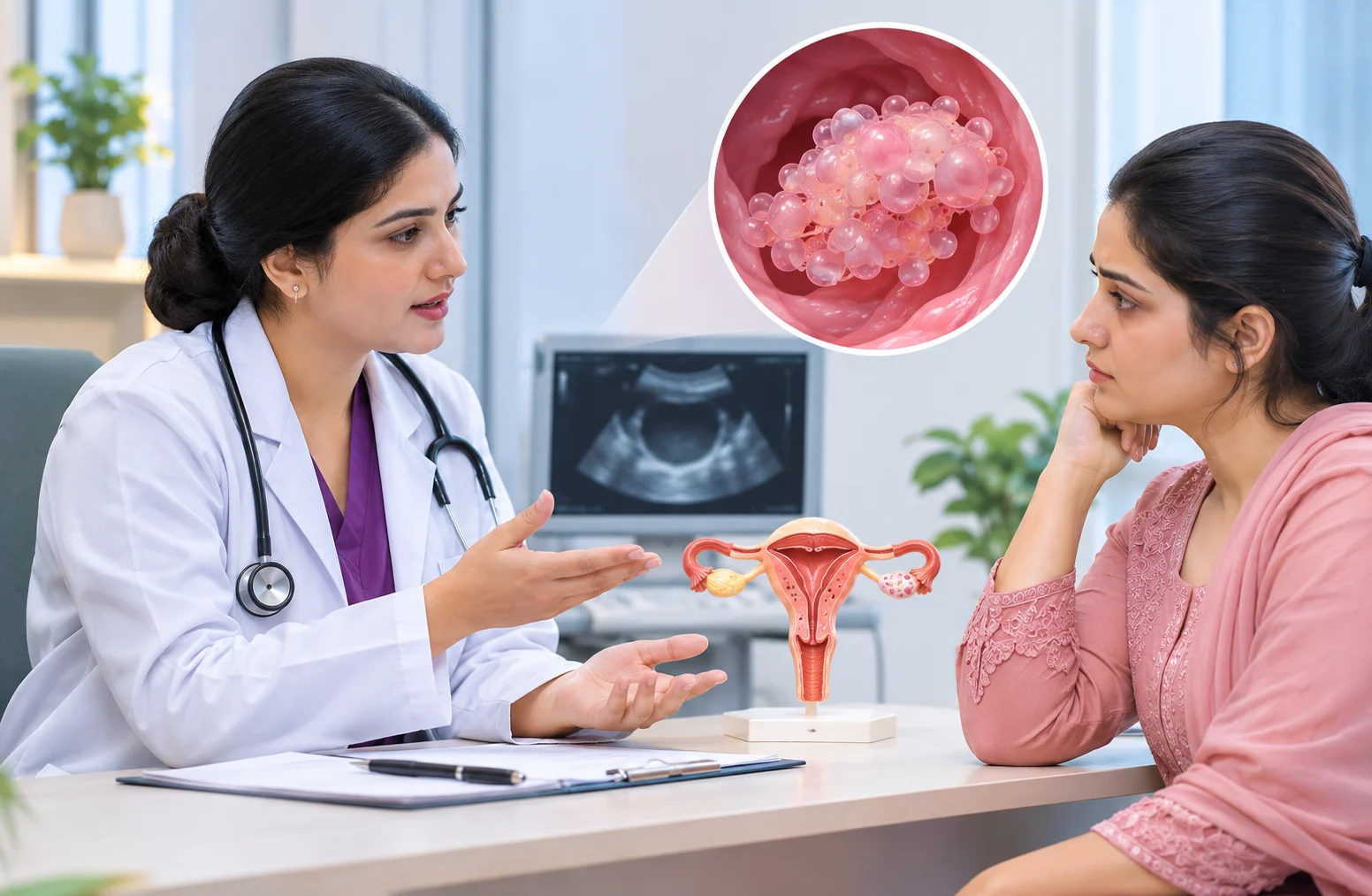
Overview
Every pregnancy journey is unique, and hearing terms like "Gestational Trophoblastic Disease" or "molar pregnancy" can naturally feel overwhelming. However, you are not alone, and this is never caused by anything you did.
We are here to surround you with expert medical care and gentle emotional support. While GTD requires specialised attention, the most reassuring news is that it is highly treatable, and most cases are completely curable. Our gynaecology team reviewed this guide, which gives you clear answers as we work together toward your recovery.
What is Gestational Trophoblastic Disease (GTD)?
Gestational trophoblastic disease is a group of rare conditions linked to pregnancy. In GTD, cells that normally form the placenta grow abnormally. Some forms are not cancer, while a smaller number are. Almost all respond very well to treatment.
Treatment outcomes for GTD depend on the type and extent of the condition. Molar pregnancies are generally managed with uterine evacuation and regular hCG monitoring. Low-risk gestational trophoblastic neoplasia (GTN) has excellent treatment outcomes, while high-risk or advanced disease requires more intensive treatment and may have a less favourable prognosis.
Types of Gestational Trophoblastic Disease (GTD)
GTD covers several conditions, which fall into non-cancerous and cancerous groups. Knowing your type guides treatment. The main types are below.
- Molar pregnancy (hydatidiform mole): The most common form of gestational trophoblastic disease (GTD), caused by abnormal growth of placental tissue. It can be complete or partial. Although molar pregnancies are not cancer at diagnosis, they are considered premalignant because some can develop into gestational trophoblastic neoplasia (GTN). This occurs in approximately 13–20% of complete moles and 0.5–5% of partial moles, making regular hCG monitoring essential after treatment.
- Invasive mole: A mole that grows into the uterine wall; it is grouped with cancerous forms.
- Choriocarcinoma: A cancer that can grow and spread, but one that responds very well to treatment.
- Rarer tumours: Placental-site and epithelioid trophoblastic tumours, which are very uncommon.
The cancerous forms are grouped together as gestational trophoblastic neoplasia, or GTN. This group includes invasive mole, choriocarcinoma and the rarer tumours. Even in this group, cure rates are very high with treatment.
Causes of Gestational Trophoblastic Disease
GTD starts with a problem at fertilisation, not with anything the mother did. The way it begins depends on the type. The main causes are below.
- Abnormal fertilisation: A mistake at conception leads to abnormal placental tissue, causing a molar pregnancy.
- Following a molar pregnancy: Choriocarcinoma most often develops after a molar pregnancy.
- Following other pregnancy events: It can also follow a miscarriage, an ectopic pregnancy or a normal birth.
GTD is not caused by stress, diet, or anything you can control. It arises from how the pregnancy tissue forms. Care focuses on treatment and follow-up, not fault.
Risk Factors for Gestational Trophoblastic Disease
Certain factors can increase the likelihood of developing a molar pregnancy, the most common form of gestational trophoblastic disease (GTD). The main recognised risk factors include:
- Previous molar pregnancy: Having one molar pregnancy increases the risk of another to approximately 1–2%. After two molar pregnancies, the recurrence risk may rise to around 15–20%.
- Maternal age: The risk increases in women younger than 20 and older than 35, particularly after 40. However, molar pregnancy can occur at any reproductive age.
- Family history and genetic factors: Rare inherited genetic changes can contribute to recurrent molar pregnancies, particularly in women who have experienced multiple cases.
Other possible associations include low dietary carotene or vitamin A intake. However, evidence for nutritional and other environmental factors is less consistent than for maternal age and previous molar pregnancy.
Having these risk factors does not mean you will necessarily develop GTD. If you have previously experienced a molar pregnancy, your obstetrician may recommend an early ultrasound scan in a future pregnancy.
Symptoms of Gestational Trophoblastic Disease
GTD often shows up through signs in early pregnancy. They can be mistaken for other pregnancy problems, so they always deserve a check. The main symptoms are below.
- Abnormal vaginal bleeding: Bleeding in early pregnancy is the most common sign.
- Severe nausea and vomiting: Sickness that is much worse than usual.
- A larger-than-expected uterus: The womb may measure bigger than your dates suggest.
- Passing grape-like tissue: Small, grape-like pieces of tissue from the vagina.
- Bleeding after a pregnancy ends: Bleeding that continues after a miscarriage or delivery.
These signs are often linked to a high level of the pregnancy hormone hCG. If you notice any of them, see your doctor to determine the cause. An ultrasound and a blood test usually give a quick answer.
How Is Gestational Trophoblastic Disease Diagnosed?
Doctors diagnose gestational trophoblastic disease (GTD) using blood tests, pelvic ultrasound and examination of pregnancy tissue. These investigations help identify a molar pregnancy and determine whether further assessment is needed.
- Quantitative serum beta-hCG test: This blood test measures the level of human chorionic gonadotropin (hCG), a pregnancy hormone. Levels may be unusually high in molar pregnancy, particularly in complete moles, although hCG alone cannot confirm the diagnosis.
- Pelvic ultrasound: An ultrasound may show abnormal placental tissue containing multiple small cystic spaces. A complete mole can sometimes produce a characteristic snowstorm or vesicular pattern, although this appearance is less common in early pregnancy.
- Histopathological examination: Tissue removed during uterine evacuation is examined under a microscope to confirm the diagnosis and distinguish complete and partial molar pregnancies. Additional tests may be needed when the findings are unclear.
After treatment, regular hCG blood tests help check whether the abnormal tissue has resolved. Persistently rising or stable hCG levels may indicate GTN and require further investigation.
Complications of Untreated Gestational Trophoblastic Disease
With treatment, GTD is managed well, and complications are uncommon. If left untreated, it can cause problems, which is why follow-up matters. The main complications are below.
- Heavy bleeding: Untreated GTD can cause significant bleeding.
- Anaemia: Ongoing bleeding can lower your blood count.
- Persistent disease: Tissue can remain and develop into the cancerous form, GTN.
- Spread to other organs: In untreated cancerous forms, the disease can spread.
- Overactive thyroid: Very high hCG levels can affect the thyroid.
These problems are largely avoided by treatment and careful hCG follow-up. Catching any persistent disease early keeps it very treatable. This is the reason follow-up is such an important part of care.
Treatment for Gestational Trophoblastic Neoplasia
GTN treatment depends on the FIGO stage, risk score and tumour type.
- Low-risk GTN: Patients with a WHO/FIGO risk score of 0–6 usually receive single-agent chemotherapy, such as methotrexate or actinomycin-D.
- High-risk GTN: Patients with a score of 7 or above, or certain advanced-stage disease, generally require combination chemotherapy. A commonly used regimen is EMA-CO, which includes etoposide, methotrexate, actinomycin-D, cyclophosphamide and vincristine.
- PSTT and ETT: Placental-site trophoblastic tumour (PSTT) and epithelioid trophoblastic tumour (ETT) often require surgical treatment, usually hysterectomy for disease confined to the uterus, because they respond less reliably to chemotherapy.
- Additional treatment: Surgery or other specialised treatment may be needed for resistant, recurrent or metastatic disease.
Contraception During Follow-Up
Avoiding pregnancy during the recommended hCG monitoring period is important because a new pregnancy can raise hCG levels and make the results difficult to interpret. Hormonal contraceptive methods are generally safe during follow-up. Intrauterine devices (IUDs) are usually deferred until hCG levels have normalised.
Treatment outcomes vary by disease type, stage and response to therapy. Continued specialist follow-up helps detect persistent or recurrent disease and determine whether further treatment is needed.
What is the Prognosis (Outlook) for Gestational Trophoblastic Disease?
The outlook for GTD is very good, which can be reassuring after a worrying diagnosis. Most molar pregnancies clear completely once the tissue is removed. Even the cancerous forms are among the most treatable, with cure rates above 90 percent, including when the disease has spread.
With timely diagnosis and appropriate treatment, many women with GTD have favourable outcomes. However, regular hCG monitoring is essential to detect persistent or recurrent disease, and some forms require prolonged specialist follow-up.
What Questions Should I Ask My Doctor?
Having a few questions ready helps you feel more in control after a GTD diagnosis. The prompts below are grouped to make them easier to use. Your doctor would always rather you asked than worried alone.
Diagnosis and Treatment Questions
- Which type of GTD do I have, and is it cancerous?
- What treatment will I need?
- Will I need chemotherapy?
- What do my hCG results mean?
Follow-Up and Future Pregnancy Questions
- How long will my follow-up last?
- When will it be safe to try for another pregnancy?
- Which contraception is suitable during follow-up?
- What is my risk of GTD in a future pregnancy?
Writing your questions down makes it less likely you'll forget them on the day. A clear conversation helps you follow your care plan with confidence. Your team is there to support you through treatment and follow-up.
Can Gestational Trophoblastic Disease Be Prevented?
GTD cannot be prevented, as it begins with how the pregnancy tissue forms. The best approach is to catch it early and follow up carefully. The steps below support early detection.
- Get an early pregnancy scan: An early ultrasound can detect a molar pregnancy.
- Complete your follow-up: hCG monitoring after any molar pregnancy catches persistent disease early.
- Report unusual bleeding: Bleeding after a miscarriage or delivery should be checked promptly.
None of these steps prevents GTD, but they help doctors find it and treat it early. Early detection is what keeps the outlook so good. Your team will arrange the right scans and follow-up.
Why Choose BirthRight by Rainbow Hospitals for Gestational Trophoblastic Disease Care?
Gestational trophoblastic disease (GTD) requires timely diagnosis, appropriate treatment and regular follow-up. At BirthRight by Rainbow Hospitals, gynaecology services include specialist consultations, diagnostic assessments and surgical care. Depending on the diagnosis, further oncology evaluation may be necessary.
- Gynaecological assessment: Obstetricians and gynecologists assess pregnancy-related symptoms and recommend appropriate investigations, including ultrasound and laboratory tests.
- Surgical care: Gynaecological surgical services are available for conditions requiring operative management. The appropriate procedure depends on the diagnosis and specialist assessment.
- Specialist coordination: Women diagnosed with gestational trophoblastic neoplasia (GTN) may require evaluation by a gynaecological oncologist and referral to a specialist cancer treatment centre.
- Follow-up planning: Regular hCG monitoring is essential after molar pregnancy treatment. The treating specialist will advise on testing intervals and further care based on the results.
If you have been diagnosed with a molar pregnancy or have persistent pregnancy hormone levels after treatment, book a consultation with a BirthRight gynaecologist to discuss further evaluation and the appropriate specialist referral.

Find a Doctor and Book Appointment Online
Meet our specialist doctors who bring together clinical expertise, compassion, and personalised care to support your health and well-being. Choose from 1,300+ specialists across our network and book an appointment with BirthRight and Rainbow Children Hospitals, offering 24*7 support to you and your family.

Dr. Pranathi Reddy A
Clinical Director – Obstetrics & Gynecology.
English,Hindi,Telugu Banjara Hills

Dr. Gauri Vinayak Dhamangaonkar
Senior Consultant - Fetal Medicine
15 Years English,Hindi,Marathi,Telugu Kondapur OP, Banjara Hills

Dr. Shruthi Reddy Poddutoor
Consultant Obstetrician, Gynecologist & Laparoscopic Surgeon
English,Telugu Banjara Hills

Dr. Himabindu Veerla
Consultant Obstetrician, Gynecologist & Laparoscopic Surgeon
English,Telugu Banjara Hills

Dr. Bhargavi Reddy K
Consultant - Obstetrics and Gynecology
10 Years English,Hindi,Telugu Banjara Hills, Attapur Clinic

Dr. Annie Pranutha P
Consultant Obstetrics and Gynecology
9 Years English,Hindi,Telugu Banjara Hills, Attapur Clinic

Dr. Sasikala Kola
Consultant Obstetrician & Gynecologist
English,Hindi,Telugu Banjara Hills

Dr. Atigadda Vijaya
Consultant - Obstetrics & Gynecology
Hindi,Telugu Banjara Hills, Himayatnagar, Attapur Clinic

Dr. Nishanth Reddy Inavolu
Visiting Consultant Physician and Diabetologist & Internal Medicine
English,Hindi,Telugu Banjara Hills, Himayatnagar

Dr. Tulika Tayal
Consultant - Fetal Medicine
English,Telugu Banjara Hills

Dr. M Prathyusha Reddy
Consultant Obstetrics & Gynecology
English,Telugu Banjara Hills

Dr. Nithya Narasimha Murthy
Consultant -Psychiatrist
English,Hindi,Telugu Kondapur OP, Banjara Hills, Child Development Centre - Banjarahills Rd No 10

Dr. Brundavani
Consultant - Nutritionist
English,Hindi,Telugu Kondapur OP, Hydernagar, Banjara Hills, Child Development Centre - Banjarahills Rd No 10

Dr. Niveditha Chalmeda
Consultant
English,Telugu Banjara Hills

Dr. Kirti Reddy Patlolla
Consultant Obstetrics and Gynaecology
English,Telugu Banjara Hills, Attapur Clinic

Dr. Tuheena Sharma
Consultant - Perinatal Physiotherapy
10 Years English,Telugu Banjara Hills

Dr. Aditi Shah
Consultant - Fetal Medicine
English,Telugu Banjara Hills

Dr. Swathi Naga Tulasi Rayapureddy
Lactation Consultant
8 Years English,Telugu Banjara Hills

Dr. Swetha Reddy. S
CONSULTANT PERINATAL PSYCHIATRIST AND WOMEN MENTAL HEALTH SPECIALIST
13 Years English,Hindi,Telugu Banjara Hills

Dr. Addu Kiranmayi
Chief Clinical Nutritionist and Lifestyle Medicine Consultant
15 Years English,Hindi,Telugu Himayatnagar, Banjara Hills

Dr. Palle Nalini Kumari
Lactation Consultant
17+ Years English,Hindi,Telugu Banjara Hills

Dr. Nazia Tabassum
Consultant - Breast, Plastic & Reconstructive Surgeon
9 Years English,Hindi,Telugu,Urdu Banjara Hills

Dr. Sruthi Cheera
Consultant Breast Surgeon
5 Years English,Hindi,Kannada,Telugu Banjara Hills

Dr. Supriya Reddy
Lactation Consultant
5 Years English,Hindi,Telugu Banjara Hills

Dr. Niraj Krishnamurthy Yanamandra
Senior Consultant Obstetrician & Gynaecologist, Laparoscopy & Hysteroscopy Surgeon
English,Hindi,Marathi,Telugu Hydernagar, Banjara Hills, Financial District

Dr. B. Rao Bahadur
Consultant – Obstetrician & Gynecologist, Laparoscopic ,& Hysteroscopic Surgeon
22 Years English,Hindi,Konkani,Marathi,Telugu Banjara Hills, Kondapur OP

Dr. Sneha Kulkarni
Consultant - Child, Adolescent & Adult Psychiatrist
10 Years English,Hindi,Kannada,Telugu Secunderabad, Banjara Hills, Child Development Centre - Banjarahills Rd No 10

Dr. Lavanya Janagama
Consultant – Obstetrics & Gynecology
10+ Years English Banjara HillsLeading Hospitals for Women Care
Rainbow Children's Hospital stands as a testament to the hospital's continual pursuit of excellence and innovation, providing specialized care for women and children


















chennai
Blogs
Discover our most recent health articles provided by our reliable experts.




What Are People Saying About Us
Embark on a journey of inspiration and hope with our patient success stories, complemented by informative videos from our dedicated doctors.




Media
 Common Gynaecological Surgeries to Fix Female Reproductive Issues
 Healthy Woman - Healthy World
 Healthier Women For a Healthier Future...
 Rainbow Children’s Hospital & BirthRight by Rainbow Launch Video Consultation Facilities
 Dr.Pranthi Reddy
 What is the use of that?
 Can you try this time?
 Pregnant Women are Not Unfit
 Declining Age of Menarche - A Matter of Concern
 Important Facts about Cervical Cancer
 Be careful before preempting
 Flu every month!
 Menstrual cramps
 Premature delivery
 Whether laughing or coughing...why?
 Multi - Tasking may be Cool but it's not Healthy
 Pregnant and Worried about COVID-19? Here's Everything you Need to know
 Video Consultation in Pandamic Situation for Pregnancy Women's
 Women.. Various types of cysts
 Recurrent Pregnancy Loss in Women
 Early Onset of Puberty: Causes, Symptoms and Treatment Options
Common Gynaecological Surgeries to Fix Female Reproductive Issues
Healthy Woman - Healthy World
Healthier Women For a Healthier Future...
FAQs
Can stress, diet or lifestyle cause a molar pregnancy?
Is a molar pregnancy the same as a miscarriage?
What is GTN, and how is it different from GTD?
Can gestational trophoblastic disease happen in a first pregnancy or at any age?
Is gestational trophoblastic disease malignant?
Can choriocarcinoma happen after a normal delivery?
What hCG levels are associated with trophoblastic disease?
Can gestational trophoblastic disease affect my future fertility?
Can a gestational trophoblastic tumour be felt?
How long does hCG follow-up last after a molar pregnancy?
Quick Links
Free Calculators to Track and Predict your Pregnancy
Gynecologist in Other Locations
Women's Health Conditions We Treat
- Mastitis (Breast Infection)
- PCOS (Polycystic Ovary Syndrome)
- Uterine Fibroids (Leiomyomas)
- Recurrent Pregnancy Loss
- Blocked Fallopian Tubes (Fallopian Tube Obstruction)
- Gestational Diabetes in Pregnancy
- Incompetent Cervix (Cervical Insufficiency)
- COVID-19 in Pregnancy
- Cytomegalovirus (CMV) in Pregnancy
- HELLP Syndrome
- Luteal Phase Defect
- Vasa Previa
- Listeria in Pregnancy
- Placenta Previa
- Endometrial Polyps (Uterine Polyps)
- Congenital Heart Disease in Pregnancy
- Hyperemesis Gravidarum (Severe Morning Sickness)
- Preeclampsia (toxemia)
- Fetal Distress (Non-Reassuring Fetal Status)
- Postpartum Haemorrhage (PPH)
- Placental Abruption (Abruptio Placentae)
- Placenta Accreta
- Postpartum Depression (PPD)
- Rhesus (Rh) Incompatibility
- Syphilis in Women
- Thalassemia in Pregnancy
- Gestational Thrombocytopenia
- Diabetes in Pregnancy
- Uterine Rupture
- Migraine in Pregnancy
- Eclampsia
- Uterine Inversion (Inverted Uterus)
- Rubella in Pregnancy
- Pulmonary Hypertension in Pregnancy
- Hydrops Fetalis (Fetal Hydrops)
- Iron-Deficiency Anaemia in Pregnancy
- Hypothyroidism in Pregnancy
- Pregnancy Constipation
- Retained Placenta
- Antiphospholipid Syndrome (APS)
- Subchorionic Hemorrhage
- Asthma in Pregnancy
- Amniotic Fluid Embolism (AFE)
- Placenta Increta