



Ovarian Cancer
Ovarian cancer begins when abnormal cells in or around the ovaries grow uncontrollably and can spread to nearby tissues. Symptoms such as persistent bloating, feeling full quickly and pelvic pain are easy to overlook, so early assessment matters.

Seamless support from diagnosis to post treatment care
Overview
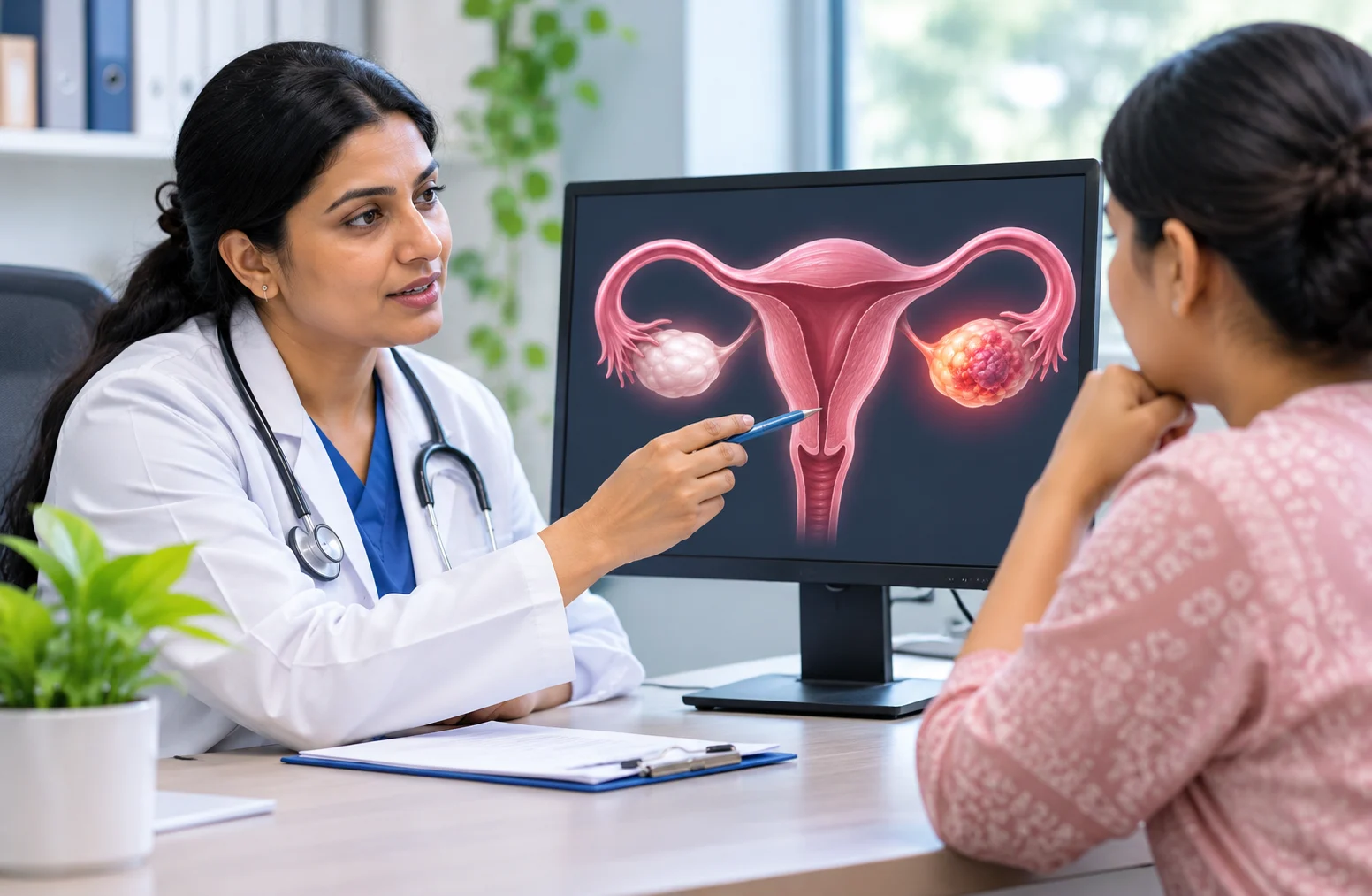
The ovaries play an important role in reproductive health by releasing eggs and producing hormones that regulate the menstrual cycle. Conditions affecting these organs can sometimes cause changes that are easy to overlook or mistake for common health problems. Ovarian cancer is one such condition, and it can be difficult to recognise in its early stages because its symptoms are often subtle. Knowing the signs and when to seek medical advice can help you take the right next step.
What Is Ovarian Cancer?
Ovarian cancer develops when abnormal cells in or around the ovaries grow uncontrollably and may invade nearby tissues or spread to other parts of the body. The ovaries are two small organs in the pelvis that store and release eggs and produce hormones such as oestrogen and progesterone.
Ovarian cancers are classified according to the type of cells in which they begin:
- Epithelial ovarian cancer: This accounts for approximately 90% of ovarian malignancies. It develops from cells covering the ovary or from related tissues, including the fallopian tubes. High-grade serous carcinoma (HGSC) is the most common subtype. Many HGSCs are thought to begin in the fimbriae, the finger-like ends of the fallopian tubes. Other epithelial subtypes include endometrioid, clear cell, mucinous and low-grade serous carcinomas.
- Borderline ovarian tumours: Also called tumours of low malignant potential, these have abnormal cells but do not show the same invasive growth as ovarian carcinomas. They are managed differently from invasive ovarian cancer.
- Germ cell tumours: These begin in the cells that develop into eggs. They are uncommon and occur more often in younger women.
- Stromal tumours: These develop in the ovary's connective and hormone-producing tissues. They are relatively rare.
The type of ovarian tumour helps determine which tests and treatments may be appropriate. Some ovarian cancers cause few noticeable symptoms at first, so it is important to seek medical advice about persistent or unusual changes rather than relying on symptoms alone.
What Are the Stages of Ovarian Cancer?
Ovarian cancer is classified into four main stages under the International Federation of Gynecology and Obstetrics (FIGO) staging system. Staging describes how far the cancer has spread and helps doctors plan treatment and assess the likely outlook.
| FIGO stage | Where the cancer has spread |
|---|---|
| Stage I | Cancer is confined to one or both ovaries or fallopian tubes. |
| Stage II | Cancer has spread to nearby pelvic organs or tissues, such as the uterus or bladder. |
| Stage III | Cancer has spread beyond the pelvis to the abdominal lining (peritoneum) and/or nearby lymph nodes in the back of the abdomen. |
| Stage IV | Cancer has spread to distant sites. Examples include a pleural effusion containing cancer cells (fluid around the lungs) or cancer deposits within the liver tissue. |
Each stage has further subdivisions, such as IA, IB and IC, which describe the extent of spread in more detail. The stage is determined through investigations and, in many cases, surgical findings and tissue examination.
How Does Ovarian Cancer Develop and Spread?
Ovarian cancer develops when changes in a cell's DNA cause it to grow and divide uncontrollably. These abnormal cells multiply, form a tumour and may spread to nearby tissues.
Depending on the type of cancer, the cells may spread to the lining of the abdomen, nearby lymph nodes or more distant organs. In some cases, fluid collects in the abdomen, causing swelling, discomfort or a feeling of fullness.
The way ovarian cancer develops and spreads varies from person to person. Doctors assess the type of cancer and how far it has spread to determine its stage and plan appropriate treatment.
Causes of Ovarian Cancer
The exact cause of ovarian cancer is not known in most cases. The disease develops when changes in cells allow them to grow abnormally. Some genetic changes are inherited from a parent, while others occur during a person's lifetime.
- Inherited genetic changes: Some women inherit changes in genes such as BRCA1 or BRCA2, which can increase their risk of ovarian cancer. Lynch syndrome is another inherited condition associated with increased risk.
- Changes acquired during life: Genetic changes can develop in cells over time. These changes are not necessarily inherited and may occur without a clearly identifiable cause.
Having ovarian cancer does not mean you did something to cause it. Many women diagnosed with the disease have no known inherited genetic changes or other obvious risk factors.
Risk Factors for Ovarian Cancer
Several factors may increase the likelihood of developing ovarian cancer, although having one or more does not mean you will develop the disease. Ovarian cancer can also occur without any known risk factors.
- Increasing age: Risk increases as women get older, particularly after menopause.
- Inherited genetic changes: Mutations in BRCA1, BRCA2, RAD51C, RAD51D, BRIP1 and PALB2, as well as Lynch and Peutz–Jeghers syndromes, can increase risk.
- Family or personal history: A family history of ovarian, breast, pancreatic, prostate or colorectal cancer, or a personal history of breast cancer, may indicate an increased inherited risk.
- Endometriosis: This is associated with a higher risk of certain ovarian cancer types, particularly endometrioid and clear cell cancers.
- Reproductive and menstrual history: Never having given birth, starting periods early or reaching menopause later may increase risk. Infertility may also be associated with risk, although the evidence is not conclusive.
- Obesity: A higher body mass index (BMI) is associated with an increased risk.
- Hormone therapy: Long-term use of certain menopausal hormone therapies may increase risk.
- Smoking: Smoking is associated with mucinous ovarian tumours, but not clearly with ovarian cancer overall.
Inherited genetic changes account for approximately 15–20% of ovarian cancer cases. The estimated lifetime risk is around 1–2% in the general population, compared with 39–44% for women with a BRCA1 mutation and 11–17% for those with a BRCA2 mutation. These estimates may vary between individuals and populations.
If ovarian or breast cancer runs in your family, discuss your family history with your doctor. Genetic counselling can help determine whether testing or preventive measures may be appropriate.
Factors That May Lower the Risk of Ovarian Cancer
Some factors are associated with a reduced risk of ovarian cancer:
- Pregnancy and childbirth: Having given birth is associated with lower risk.
- Breastfeeding: Breastfeeding may provide additional protection.
- Oral contraceptive pills: Their use is associated with a lower risk, with protection that may continue after stopping them.
- Tubal ligation and hysterectomy: These procedures are associated with reduced risk in some studies.
These factors do not guarantee prevention. Surgery or hormonal contraception should not be considered solely for ovarian cancer prevention without discussing the benefits and risks with a doctor.
Symptoms of Ovarian Cancer
Ovarian cancer may cause few or no noticeable symptoms in its early stages. When symptoms develop, they can overlap with common digestive or urinary problems. The four symptoms most commonly associated with ovarian cancer are:
- Persistent bloating: Ongoing abdominal bloating or an increase in abdominal size.
- Feeling full quickly: Loss of appetite or feeling full after eating only a small amount.
- Pelvic or abdominal pain: Persistent pain or pressure in the lower abdomen or pelvis.
- Urinary changes: Needing to urinate more frequently or urgently.
Other symptoms may include:
- Back pain
- Unusual tiredness
- Changes in bowel habits, such as constipation
- Unexplained weight loss
In advanced ovarian cancer, fluid may collect in the abdomen (ascites), causing noticeable swelling. Fluid can also build up around the lungs (pleural effusion), leading to breathlessness.
These symptoms do not necessarily indicate ovarian cancer. However, arrange a medical assessment if the four main symptoms are new and persistent or frequent, particularly if they occur more than 12 times a month. This is especially important for women aged 50 or older. Other symptoms, such as unexplained weight loss, fatigue or changes in bowel habits, should also be assessed if they persist.
Unusual vaginal bleeding or discharge is not a specific sign of ovarian cancer, but it should be evaluated because it may indicate ovarian or another gynaecological condition, including endometrial cancer. Any bleeding after menopause needs medical assessment.
See a gynaecologist if you notice new, persistent or frequent symptoms, even if they seem mild. Do not wait for them to become severe. A medical assessment can help identify the cause and determine whether further tests are needed.
How Is Ovarian Cancer Diagnosed?
Doctors diagnose ovarian cancer using a combination of physical examinations, blood tests, imaging and tissue analysis. No single blood test or scan can reliably confirm the disease.
1. Pelvic Examination
The doctor examines the abdomen and pelvis to check for lumps, swelling, enlarged ovaries or fluid accumulation (ascites). This examination alone cannot confirm ovarian cancer.
2. Transvaginal Ultrasound
A transvaginal ultrasound uses a probe inserted into the vagina to produce images of the ovaries. It helps identify suspicious growths and assess their size, shape and structure. However, ultrasound cannot confirm whether a growth is cancerous.
3. Blood Tests (CA-125, HE4 and ROMA)
Blood tests help assess markers associated with ovarian cancer:
- CA-125: Measures a protein that may be elevated in ovarian cancer. However, levels can also rise due to benign conditions such as endometriosis, fibroids, pelvic inflammatory disease (PID), menstruation and pregnancy. CA-125 can be normal in approximately half of early-stage ovarian cancers, so it is not a reliable screening or standalone diagnostic test.
- HE4: Measures another tumour marker that may help assess suspicious ovarian growths.
- ROMA index: Combines CA-125 and HE4 levels with menopausal status to estimate the likelihood that an ovarian mass is malignant. It supports clinical assessment but cannot confirm cancer.
4. CT and MRI Scans
CT and MRI scans help assess the size and spread of suspected cancer to nearby tissues, lymph nodes and other organs. They also help doctors plan treatment.
5. Biopsy and Surgical Diagnosis
A biopsy involves examining a tissue sample under a microscope to confirm cancer and identify its type. Doctors may obtain samples through image-guided biopsy or surgery, including laparoscopy or laparotomy. Imaging and blood tests alone cannot reliably confirm ovarian cancer.
6. Genetic and Molecular Testing
After diagnosis, doctors may recommend:
- Genetic testing: Checks for inherited mutations, particularly in the BRCA1 and BRCA2 genes, which can influence treatment and help assess family members' cancer risk.
- Tumour testing: Checks for BRCA mutations and homologous recombination deficiency (HRD) to help determine whether targeted treatments, such as PARP inhibitors, may be suitable.
Genetic counselling can help women understand inherited risks and testing options. Read more in the Prevention of Ovarian Cancer section.
Possible Complications of Ovarian Cancer
Ovarian cancer can cause complications as it grows or spreads to other parts of the body. Some complications may also develop during treatment. Their likelihood and severity depend on the cancer type, its stage, and the treatment required.
Complications Caused by Ovarian Cancer
Possible complications of ovarian cancer include:
- Spread to other organs: Cancer cells may spread to nearby tissues, lymph nodes or distant organs, affecting their normal function.
- Bowel obstruction: Advanced ovarian cancer may press on or spread to the bowel, blocking the passage of stool and gas. This can cause severe abdominal pain, bloating, vomiting and constipation.
- Ascites (fluid build-up in the abdomen): Fluid may collect in the abdominal cavity, causing swelling, discomfort, reduced appetite and breathlessness.
- Pleural effusion (fluid build-up around the lungs): Cancer may cause fluid to collect around the lungs, leading to chest discomfort and difficulty breathing.
- Venous thromboembolism (blood clots): Ovarian cancer increases the risk of blood clots forming in the veins. Deep vein thrombosis (DVT) usually affects the legs, while a clot that travels to the lungs causes a pulmonary embolism (PE), which can be life-threatening.
- Hydronephrosis (swelling of the kidneys): A growing tumour may press on or block the tubes that carry urine from the kidneys to the bladder, causing urine to build up in the kidneys.
- Anaemia: Cancer-related inflammation, blood loss or nutritional deficiencies may reduce red blood cell levels, causing tiredness, weakness and breathlessness.
- Malnutrition and cachexia: Advanced cancer may cause loss of appetite, weight loss and muscle wasting. This can lead to weakness and reduced physical strength.
- Recurrence: Ovarian cancer may return after treatment. Regular follow-up appointments help doctors monitor recovery and identify signs of recurrence.
Side Effects of Ovarian Cancer Treatment
Surgery, chemotherapy and other cancer treatments may cause side effects, depending on the treatment plan. These may include:
- Pain, fatigue and nausea: These may occur after surgery or during chemotherapy and can affect daily activities.
- Peripheral neuropathy: Some chemotherapy medicines can damage nerves, causing numbness, tingling, pain or weakness, particularly in the hands and feet.
- Neutropenia and increased infection risk: Chemotherapy can reduce the number of neutrophils (white blood cells that help fight infections), making it harder for the body to fight infections.
- Surgical menopause: If both ovaries are removed before natural menopause, hormone levels drop suddenly. This can cause hot flashes, night sweats, vaginal dryness and other menopausal symptoms.
- Changes in fertility: Surgery and certain cancer treatments may affect the ability to become pregnant. The impact depends on the treatment and whether reproductive organs need to be removed.
Not every woman will experience these complications or side effects. Your cancer care team will explain the risks associated with your diagnosis and treatment and help manage any symptoms.
When to seek urgent medical care: Sudden severe abdominal pain, vomiting with an inability to pass stool or gas, new leg swelling or sudden breathlessness require urgent medical assessment. These symptoms may indicate complications such as bowel obstruction or blood clots. Sudden breathlessness or chest pain needs emergency care.
Treatment Options for Ovarian Cancer
Ovarian cancer treatment depends on the cancer type and stage, your overall health and whether preserving fertility is important to you. A specialist team, ideally led by a gynaecologic oncologist (a doctor specialising in cancers of the female reproductive system), plans treatment.
The main options include surgery, chemotherapy and targeted medicines. Some women need a combination of these treatments.
Surgery
Surgery aims to remove as much cancer as possible, ideally leaving no visible residual disease. This is called cytoreductive or debulking surgery. Depending on the cancer's spread, it may involve removing the uterus (total hysterectomy), both ovaries and fallopian tubes (bilateral salpingo-oophorectomy), the omentum (omentum removal), and affected lymph nodes or other tissues.
If surgery cannot safely remove the cancer initially, doctors may give chemotherapy first, followed by interval debulking surgery if the cancer responds or remains stable.
Selected women with early-stage disease may be eligible for fertility-sparing surgery, which preserves the uterus and some healthy ovarian tissue. A gynaecologic oncologist assesses whether this is appropriate.
Chemotherapy
Chemotherapy uses medicines to destroy cancer cells. The standard first-line combination for many epithelial ovarian cancers is carboplatin and paclitaxel, usually given every three weeks for six cycles.
Chemotherapy may be given after surgery or before surgery to shrink the cancer. In selected patients, additional treatment approaches, such as heated intraperitoneal chemotherapy (HIPEC), may be considered during surgery at specialised centres. These are not routine options for every patient.
Common side effects include nausea, tiredness, hair loss and reduced blood cell counts. Your care team can recommend medicines and supportive measures to manage them.
Targeted and Other Therapies
Targeted medicines act on specific features of cancer cells. Depending on tumour testing and treatment response, options may include:
- PARP inhibitors: Medicines such as olaparib and niraparib may be used as maintenance treatment after chemotherapy in eligible women, particularly those with BRCA1/2 mutations or HRD-positive tumours.
- Bevacizumab: This medicine blocks the formation of blood vessels that help tumours grow. It may be combined with chemotherapy and continued as maintenance treatment in selected patients.
Immunotherapy is not a standard treatment for most ovarian cancers but may be considered in selected cases based on specific tumour characteristics or clinical trials.
Supportive and Follow-up Care
Supportive care helps manage pain, treatment side effects, nutritional concerns and emotional difficulties. It may also include fertility counselling and support for menopause-related symptoms.
Doctors may monitor treatment response through physical examinations, imaging and CA-125 blood tests, particularly if CA-125 was elevated before treatment. These assessments are considered together rather than relying on the blood test alone.
Regular follow-up appointments help assess recovery, manage ongoing side effects and identify possible signs of recurrence.
What Is the Prognosis (Outlook) for Ovarian Cancer?
The outlook for ovarian cancer depends on the cancer type and stage at diagnosis, your general health, and how well the cancer responds to treatment.
Five-Year Survival Rates for Ovarian Cancer
According to the American Cancer Society (ACS), based on US National Cancer Institute SEER data for women diagnosed between 2015 and 2021, the five-year relative survival rates for invasive epithelial ovarian cancer are:
| SEER stage | Five-year relative survival |
|---|---|
| Localised (confined to the ovaries) | 92% |
| Regional (spread to nearby tissues or lymph nodes) | 71% |
| Distant (spread to distant organs) | 32% |
| All stages combined | 51% |
These figures show how strongly the stage at diagnosis influences survival. Only around one in five cases is diagnosed while the cancer is localised, while many women are diagnosed after it has spread. This contributes to the lower overall survival rate.
A five-year relative survival rate compares people with cancer to people in the general population and estimates their likelihood of surviving at least five years after diagnosis. It is a population-based measure, not a prediction of an individual woman's outcome.
Ovarian Cancer Survival in India
Indian survival outcomes may differ from US estimates because of differences in stage at diagnosis, access to specialist care and treatment facilities. Indian studies indicate that more than 70% of women with epithelial ovarian cancer are diagnosed at an advanced stage (stage III or IV).
GLOBOCAN 2022 estimated approximately 47,333 new ovarian cancer cases in India. However, these incidence figures should not be interpreted as survival statistics. Reliable, nationally representative stage-specific survival estimates for India are limited.
Survival statistics are based on patients diagnosed several years earlier and may not fully reflect improvements in treatment. Some women respond well to treatment, while others may need additional or ongoing care. Your oncologist can explain how your cancer type, stage and treatment response influence your individual outlook.
Questions to Ask Your Oncologist
A diagnosis of ovarian cancer can bring up many questions. Preparing a list before your appointment may help you understand your options and take part in decisions about your care. You can also bring a family member or trusted friend for support.
About My Diagnosis and Stage
- What type of ovarian cancer do I have?
- What stage is it, and what does that mean?
- Has the cancer spread, and which tests have confirmed this?
- Do I need any additional tests before treatment?
About Treatment Options and Clinical Trials
- Which treatment do you recommend for me, and why?
- What are the expected benefits and possible side effects?
- Will I need surgery, chemotherapy, or other treatments?
- Are there any clinical trials that may be suitable for me?
About Family Risk and Genetic Testing
- Could my cancer be linked to an inherited genetic change?
- Should I consider genetic counselling or testing?
- Could my diagnosis affect the cancer risk of my relatives?
- Should any family members seek genetic counselling?
About Everyday Life During Treatment
- How might treatment affect my daily activities and ability to work?
- What can I do to manage side effects and maintain my nutrition?
- Could treatment affect my fertility or cause early menopause?
- Whom should I contact if I develop new symptoms or feel unwell between appointments?
Your care team can help you understand each step and address concerns as they arise. You do not need to have every answer before beginning treatment.
How to Reduce the Risk of Ovarian Cancer
There is no guaranteed way to prevent ovarian cancer. However, certain measures may help lower the risk:
- Genetic counselling and testing: Women with a strong family history of ovarian or related cancers may benefit from genetic counselling and testing to identify inherited risk.
- Oral contraceptive pills: Using combined oral contraceptive pills for five or more years is associated with approximately 30–50% lower ovarian cancer risk. However, these pills can increase the risk of blood clots and may slightly increase breast cancer risk during current or recent use. Discuss the benefits and risks with your doctor before considering them.
- Pregnancy and breastfeeding: Having given birth and breastfeeding are associated with a lower risk of ovarian cancer.
- Fallopian tube surgery: Tubal ligation and removal of both fallopian tubes (salpingectomy), including during hysterectomy or sterilisation, may reduce ovarian cancer risk.
- Maintaining a healthy weight: A healthy weight, balanced diet and regular physical activity may help reduce the risk of certain types of ovarian cancer.
Preventive surgery for inherited risk: Women with BRCA1 or BRCA2 mutations may consider risk-reducing removal of both ovaries and fallopian tubes (bilateral salpingo-oophorectomy) after completing childbearing. This is generally recommended at 35–40 years for BRCA1 carriers and 40–45 years for BRCA2 carriers. Early menopause may follow, so hormone replacement therapy (HRT) may be considered after individual medical assessment.
Is ovarian cancer screening recommended? There is no recommended routine screening for women at average risk without symptoms. Large trials, including PLCO and UKCTOCS, found that CA-125 blood tests and ultrasound screening did not reduce ovarian cancer deaths. Women with inherited risk should discuss personalised monitoring and preventive options with a specialist.
Why Choose BirthRight by Rainbow Hospitals for Ovarian Cancer Treatment?
At BirthRight by Rainbow Hospitals, we understand that changes in reproductive health can raise questions and cause uncertainty. Our approach focuses on listening to your concerns, assessing your symptoms, and helping you understand the next steps in your care.
- Gynaecology consultations: We assess your symptoms and medical history to help determine whether further investigation is needed.
- Individualised assessment: We guide you on appropriate examinations and investigations based on your symptoms and clinical findings.
- Clear explanations: We help you understand the purpose of recommended tests and what the results may mean.
- Coordinated specialist referral: When ovarian cancer is suspected or diagnosed, we can guide you towards appropriate specialist cancer care, depending on the services available at your location.
- Supportive communication: We aim to explain your options clearly so you can discuss your concerns and make informed decisions with your healthcare team.
If you notice persistent or unusual symptoms, arrange a medical assessment rather than waiting for them to settle. If ovarian cancer is suspected, timely evaluation can help you understand the cause and access appropriate specialist care.

Find a Doctor and Book Appointment Online
Meet our specialist doctors who bring together clinical expertise, compassion, and personalised care to support your health and well-being. Choose from 1,300+ specialists across our network and book an appointment with BirthRight and Rainbow Children Hospitals, offering 24*7 support to you and your family.

Dr. Pranathi Reddy A
Clinical Director – Obstetrics & Gynecology.
English,Hindi,Telugu Banjara Hills

Dr. Gauri Vinayak Dhamangaonkar
Senior Consultant - Fetal Medicine
15 Years English,Hindi,Marathi,Telugu Kondapur OP, Banjara Hills

Dr. Shruthi Reddy Poddutoor
Consultant Obstetrician, Gynecologist & Laparoscopic Surgeon
English,Telugu Banjara Hills

Dr. Himabindu Veerla
Consultant Obstetrician, Gynecologist & Laparoscopic Surgeon
English,Telugu Banjara Hills

Dr. Bhargavi Reddy K
Consultant - Obstetrics and Gynecology
10 Years English,Hindi,Telugu Banjara Hills, Attapur Clinic

Dr. Annie Pranutha P
Consultant Obstetrics and Gynecology
9 Years English,Hindi,Telugu Banjara Hills, Attapur Clinic

Dr. Sasikala Kola
Consultant Obstetrician & Gynecologist
English,Hindi,Telugu Banjara Hills

Dr. Atigadda Vijaya
Consultant - Obstetrics & Gynecology
Hindi,Telugu Banjara Hills, Himayatnagar, Attapur Clinic

Dr. Nishanth Reddy Inavolu
Visiting Consultant Physician and Diabetologist & Internal Medicine
English,Hindi,Telugu Banjara Hills, Himayatnagar

Dr. Tulika Tayal
Consultant - Fetal Medicine
English,Telugu Banjara Hills

Dr. M Prathyusha Reddy
Consultant Obstetrics & Gynecology
English,Telugu Banjara Hills

Dr. Nithya Narasimha Murthy
Consultant -Psychiatrist
English,Hindi,Telugu Kondapur OP, Banjara Hills, Child Development Centre - Banjarahills Rd No 10

Dr. Brundavani
Consultant - Nutritionist
English,Hindi,Telugu Kondapur OP, Hydernagar, Banjara Hills, Child Development Centre - Banjarahills Rd No 10

Dr. Niveditha Chalmeda
Consultant
English,Telugu Banjara Hills

Dr. Kirti Reddy Patlolla
Consultant Obstetrics and Gynaecology
English,Telugu Banjara Hills, Attapur Clinic

Dr. Tuheena Sharma
Consultant - Perinatal Physiotherapy
10 Years English,Telugu Banjara Hills

Dr. Aditi Shah
Consultant - Fetal Medicine
English,Telugu Banjara Hills

Dr. Swathi Naga Tulasi Rayapureddy
Lactation Consultant
8 Years English,Telugu Banjara Hills

Dr. Swetha Reddy. S
CONSULTANT PERINATAL PSYCHIATRIST AND WOMEN MENTAL HEALTH SPECIALIST
13 Years English,Hindi,Telugu Banjara Hills

Dr. Addu Kiranmayi
Chief Clinical Nutritionist and Lifestyle Medicine Consultant
15 Years English,Hindi,Telugu Himayatnagar, Banjara Hills

Dr. Palle Nalini Kumari
Lactation Consultant
17+ Years English,Hindi,Telugu Banjara Hills
Dr. Nazia Tabassum
Consultant - Breast, Plastic & Reconstructive Surgeon
9 Years English,Hindi,Telugu,Urdu Banjara Hills

Dr. Sruthi Cheera
Consultant Breast Surgeon
5 Years English,Hindi,Kannada,Telugu Banjara Hills

Dr. Supriya Reddy
Lactation Consultant
5 Years English,Hindi,Telugu Banjara Hills

Dr. Niraj Krishnamurthy Yanamandra
Senior Consultant Obstetrician & Gynaecologist, Laparoscopy & Hysteroscopy Surgeon
English,Hindi,Marathi,Telugu Hydernagar, Banjara Hills, Financial District

Dr. B. Rao Bahadur
Consultant – Obstetrician & Gynecologist, Laparoscopic ,& Hysteroscopic Surgeon
22 Years English,Hindi,Konkani,Marathi,Telugu Banjara Hills, Kondapur OP

Dr. Sneha Kulkarni
Consultant - Child, Adolescent & Adult Psychiatrist
10 Years English,Hindi,Kannada,Telugu Secunderabad, Banjara Hills, Child Development Centre - Banjarahills Rd No 10

Dr. Lavanya Janagama
Consultant – Obstetrics & Gynecology
10+ Years English Banjara HillsLeading Hospitals for Women Care
Rainbow Children's Hospital stands as a testament to the hospital's continual pursuit of excellence and innovation, providing specialized care for women and children


















chennai
Blogs
Discover our most recent health articles provided by our reliable experts.




What Are People Saying About Us
Embark on a journey of inspiration and hope with our patient success stories, complemented by informative videos from our dedicated doctors.




Media
 Common Gynaecological Surgeries to Fix Female Reproductive Issues
 Healthy Woman - Healthy World
 Healthier Women For a Healthier Future...
 Rainbow Children’s Hospital & BirthRight by Rainbow Launch Video Consultation Facilities
 Dr.Pranthi Reddy
 What is the use of that?
 Can you try this time?
 Pregnant Women are Not Unfit
 Declining Age of Menarche - A Matter of Concern
 Important Facts about Cervical Cancer
 Be careful before preempting
 Flu every month!
 Menstrual cramps
 Premature delivery
 Whether laughing or coughing...why?
 Multi - Tasking may be Cool but it's not Healthy
 Pregnant and Worried about COVID-19? Here's Everything you Need to know
 Video Consultation in Pandamic Situation for Pregnancy Women's
 Women.. Various types of cysts
 Recurrent Pregnancy Loss in Women
 Early Onset of Puberty: Causes, Symptoms and Treatment Options
Common Gynaecological Surgeries to Fix Female Reproductive Issues
Healthy Woman - Healthy World
Healthier Women For a Healthier Future...
FAQs
What are the early signs of ovarian cancer?
Can a Pap smear, ultrasound or blood test detect ovarian cancer?
Is an ovarian cyst a sign of cancer?
Is ovarian cancer curable?
What is the survival rate of ovarian cancer?
Can I still have a baby after treatment for ovarian cancer?
Will I go into menopause straight away if my ovaries are removed?
Does talcum powder cause ovarian cancer?
Is ovarian cancer hereditary, and should I get tested if my mother had breast or ovarian cancer?
Quick Links
Free Calculators to Track and Predict your Pregnancy
Gynecologist in Other Locations
Women's Health Conditions We Treat
- Mastitis (Breast Infection)
- PCOS (Polycystic Ovary Syndrome)
- Uterine Fibroids (Leiomyomas)
- Recurrent Pregnancy Loss
- Blocked Fallopian Tubes (Fallopian Tube Obstruction)
- Gestational Diabetes in Pregnancy
- Incompetent Cervix (Cervical Insufficiency)
- COVID-19 in Pregnancy
- Cytomegalovirus (CMV) in Pregnancy
- HELLP Syndrome
- Luteal Phase Defect
- Vasa Previa
- Listeria in Pregnancy
- Placenta Previa
- Endometrial Polyps (Uterine Polyps)
- Congenital Heart Disease in Pregnancy
- Hyperemesis Gravidarum (Severe Morning Sickness)
- Preeclampsia (toxemia)
- Fetal Distress (Non-Reassuring Fetal Status)
- Postpartum Haemorrhage (PPH)
- Placental Abruption (Abruptio Placentae)
- Placenta Accreta
- Postpartum Depression (PPD)
- Rhesus (Rh) Incompatibility
- Syphilis in Women
- Thalassemia in Pregnancy
- Gestational Thrombocytopenia
- Diabetes in Pregnancy
- Uterine Rupture
- Migraine in Pregnancy
- Eclampsia
- Uterine Inversion (Inverted Uterus)
- Rubella in Pregnancy
- Pulmonary Hypertension in Pregnancy
- Hydrops Fetalis (Fetal Hydrops)
- Iron-Deficiency Anaemia in Pregnancy
- Hypothyroidism in Pregnancy
- Pregnancy Constipation
- Retained Placenta
- Antiphospholipid Syndrome (APS)
- Subchorionic Hemorrhage
- Asthma in Pregnancy
- Amniotic Fluid Embolism (AFE)
- Placenta Increta
- Fetal Macrosomia
- Gestational Trophoblastic Disease (GTD)
- Postpartum Psychosis
- Chronic Hypertension in Pregnancy
- Gestational Hypertension